
Escalating construction costs pose global challenge for real estate development

 |
According to Savills Impacts 2025 report released in June, construction costs in the United States, the United Kingdom, France, Germany, and Singapore consistently outpaced consumer price inflation (CPI) from 2020 to 2024. This is the cumulative result of prolonged disruptions, from logistical crises and material price volatility, to increasingly stringent demands for build quality and ESG (environmental, social, government) compliance.
Consequently, fit-out costs are rising sharply. In the UK, construction accounted for 17 per cent of all insolvencies in 2024, the highest across all sectors, reflecting the immense financial stress weighing on developers.
However, the impact varies across markets. A notable additional factor is the shift in the supply of construction materials, sand. To protect the environment and stabilise riparian ecosystems, several provinces in Vietnam and countries across the region have tightened control over natural sand mining.
Savills Impacts 2025 noted that restrictions on extraction in sensitive areas, combined with rising transportation costs, have contributed to an upward trend in sand prices, impacting overall construction costs, especially for large-scale infrastructure projects or those requiring complex foundations. While not the primary cause of the disconnect between property prices and input costs, this remains a contributing element in the evolving cost structure.
Vietnam is one of the region’s fastest-growing economies and is not exempt. As of 2024, the domestic construction materials market had experienced significant price volatility, particularly for cement, sand, and aggregates. Although a range of factors such as location, legal framework, and brand perception drive pricing, increasing development costs from construction inputs to amenity upgrades have contributed to this upward trajectory.
According to Savills Vietnam, Hanoi’s primary condo prices reached an average of VND79 million ($3,160) per square metre in the first quarter of 2025, a 32 per cent increase on-year. Meanwhile, new supply in Ho Chi Minh City remains extremely limited, with only 800 units launched in the quarter, primarily in the mid- to high-end segments. Affordable housing remains scarce, indicating how rising costs are directly reshaping product structures.
The landed residential segment also recorded significant price growth. In Hanoi, villa prices increased by an average of 29 per cent per year over the past five years, while townhouses saw 22 per cent annual growth. These figures are not solely demand-driven, but also reflect escalating investment into infrastructure, amenities, and product quality.
According to Savills Impacts 2025, beyond costs, financing has become another critical global constraint. The end of the low-interest era has driven up capital costs, prompting financial institutions to tighten lending conditions by imposing higher equity requirements and stricter transparency standards. In Vietnam, although interest rates are relatively controlled, credit for real estate remains limited due to prudent monetary policies. This poses challenges for developers trying to launch or revive projects, particularly in major cities where land costs are high and legal processes are protracted.
Labour is emerging as a growing challenge in Vietnam’s construction sector. The workforce largely comes from rural areas and tends to be seasonal, impacting project timelines during peak periods. In response, some developers are starting to adopt modern construction methods and prefabrication, proven to optimise costs and reduce construction timelines in markets like Singapore and India.
In addition to the core pressures of costs, finance, and labour, the global construction sector faces compounding challenges: climate change, energy shortages, and limited land availability. In Vietnam, Ho Chi Minh City serves as a prime example of a city grappling with rising sea levels, tidal flooding, and heavy rainfall, which significantly drive up infrastructure development costs.
Amid these intersecting challenges, the construction and real estate markets are undergoing deep structural shifts. Yet, this volatility also presents a window of opportunity for developers who can adapt to new trends, innovate operating models, and stay ahead of evolving market demands.
"In an increasingly competitive market, the advantage will favour businesses that invest in asset quality, embed ESG standards, and leverage technology for efficient construction and management," Savills reported. "Forward-thinking developers who embrace sustainable design, modern construction methods, and proactive asset enhancement will not only control their costs better but also expand margins by delivering higher-value products to the market."
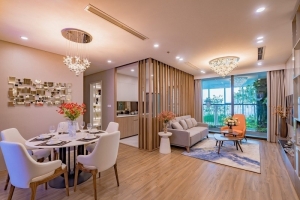 | Hanoi’s serviced apartment sector benefits from surging FDI The serviced apartment market in Hanoi is continuing to grow robustly due to a strong inflow of foreign direct investment (FDI) and a boom in industrial zones. |
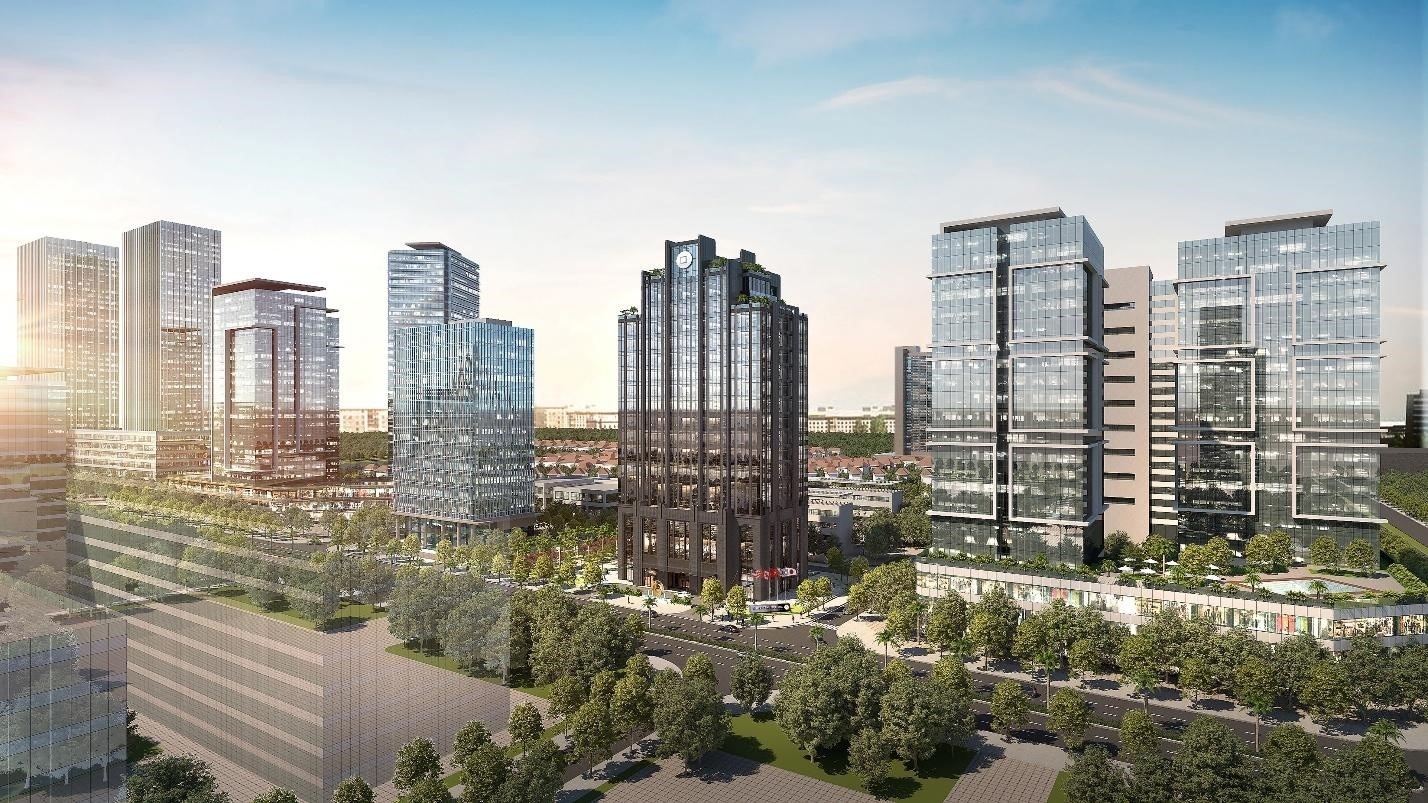
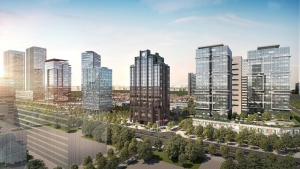 | Oriental Square named first grade-A office tower in Starlake Demand for grade-A office space is continuing to rise, especially for developments that deliver modern design, integrated technology, sustainability, and strategic connectivity to emerging business hubs. |
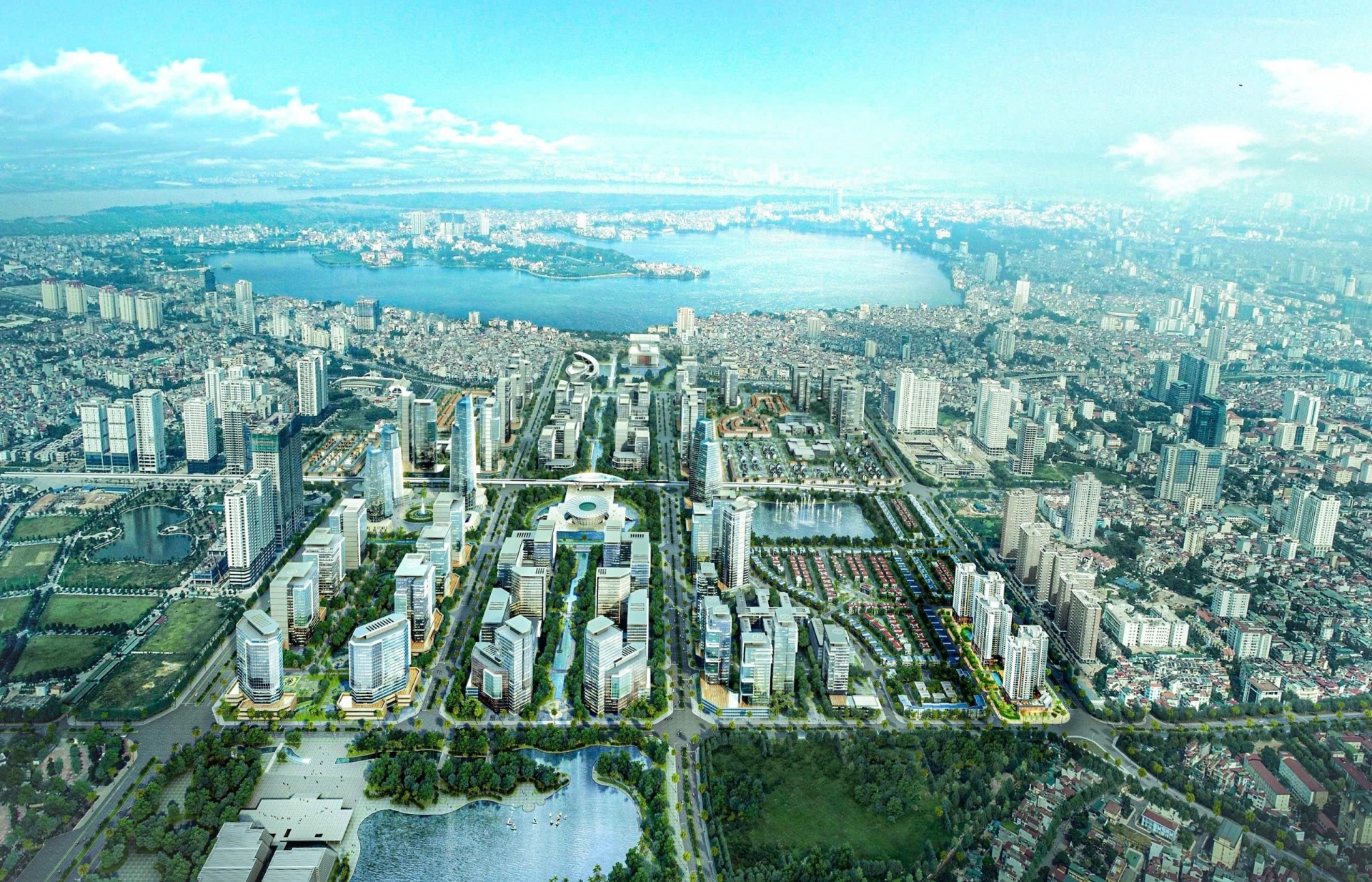
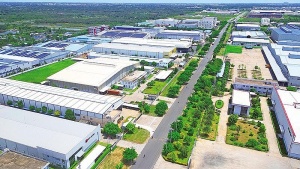 | Merging of provincial-level administrative units a driver for industrial real estate Adjusting provincial and municipal administrative boundaries in July could transform Vietnam's industrial real estate market. If implemented efficiently, this restructuring could catalyse the development of large industrial-urban zones, attracting more international investors. |
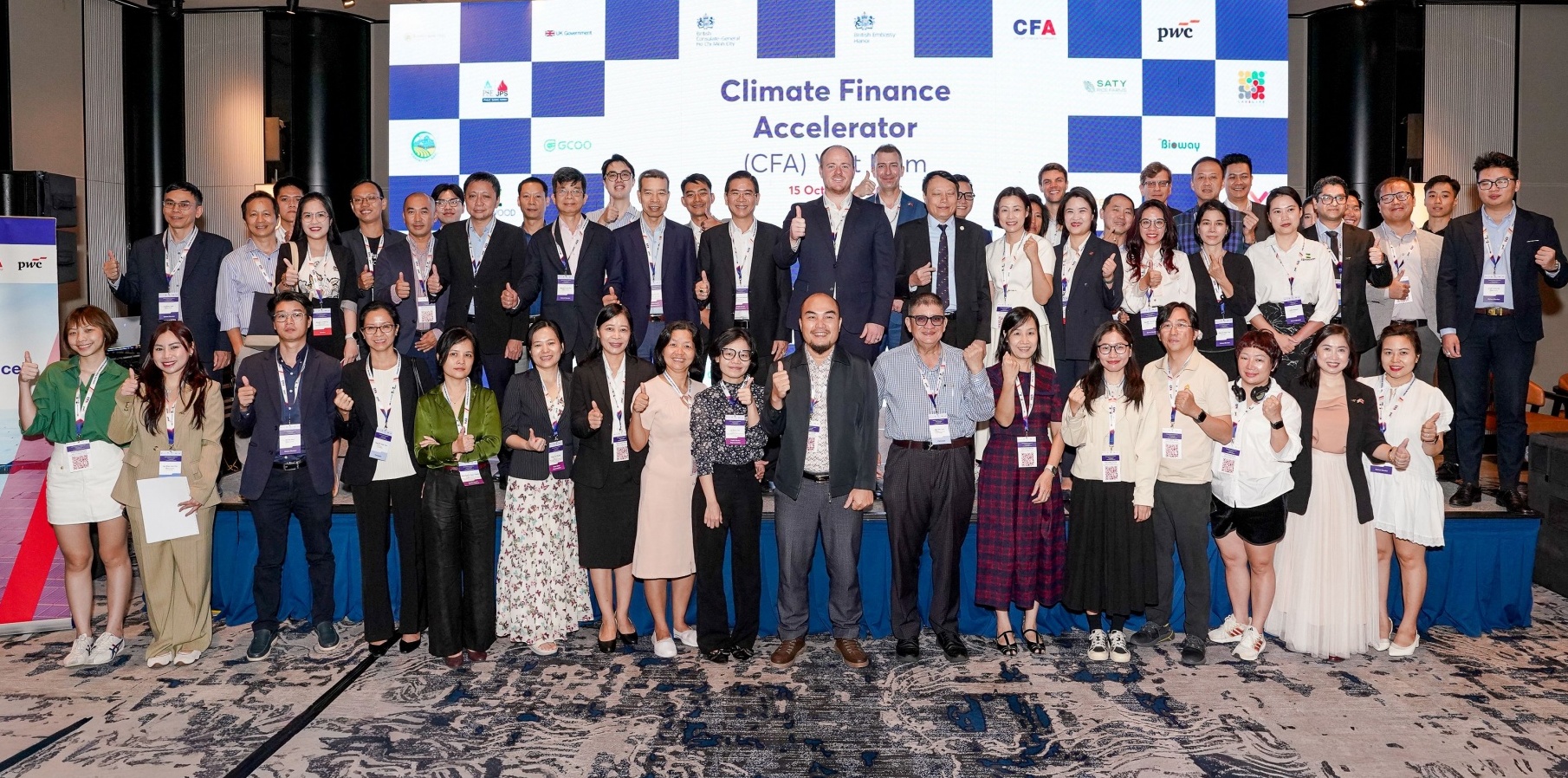
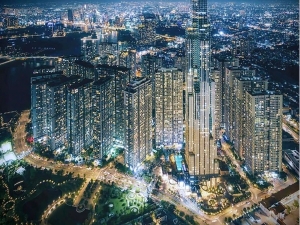 | Vietnam boasts opportunities to attract global high-net-worth investment Against a rapidly changing geopolitical and economic backdrop, global wealth flows continue to evolve as high-net-worth individuals (HNWIs) and businesses take a more holistic approach to location. Vietnam is emerging as a promising destination, but it must seize the moment with improved policy framework, infrastructure, and living standards. |
What the stars mean:
★ Poor ★ ★ Promising ★★★ Good ★★★★ Very good ★★★★★ Exceptional
 Tag:
Tag:Related Contents






Latest News
More News
- Enterprises honoured as Outstanding Provider of Green Industrial Solutions (October 06, 2026 | 18:03)
- MIK Group launches House of MIK in Ho Chi Minh City (October 03, 2026 | 17:00)
- Vietnam hospitality shifts towards integrated mixed-use developments (October 03, 2026 | 10:00)
- Stavian IP accelerates its modern expansion (October 02, 2026 | 14:00)
- ESG for future-ready industrial success (October 02, 2026 | 09:00)
- Green Future Awards honour five leading industrial park developers (October 01, 2026 | 22:20)
- Green transition leaders honoured at Green Future Awards 2026 (October 01, 2026 | 22:10)
- Six developers honoured as Emerging Green Industrial Property Developers (October 01, 2026 | 22:00)
- Why logistics will define the next phase of growth (October 01, 2026 | 09:00)
- Urban Development Law takes effect on October 1 (September 30, 2026 | 17:49)








 Mobile Version