
Australia shifts immigration focus from capital to talent

For decades, investment migration has largely been tied to financial capital, with investors seeking overseas residency typically expected to commit substantial funds to real estate, businesses, or government-approved vehicles.
Australia is now taking a different approach. Following the termination of its Business Innovation and Investment Programme in 2024, the government has introduced the National Innovation Visa (NIV) to attract entrepreneurs, founders, investors, researchers, and individuals with notable international achievements.
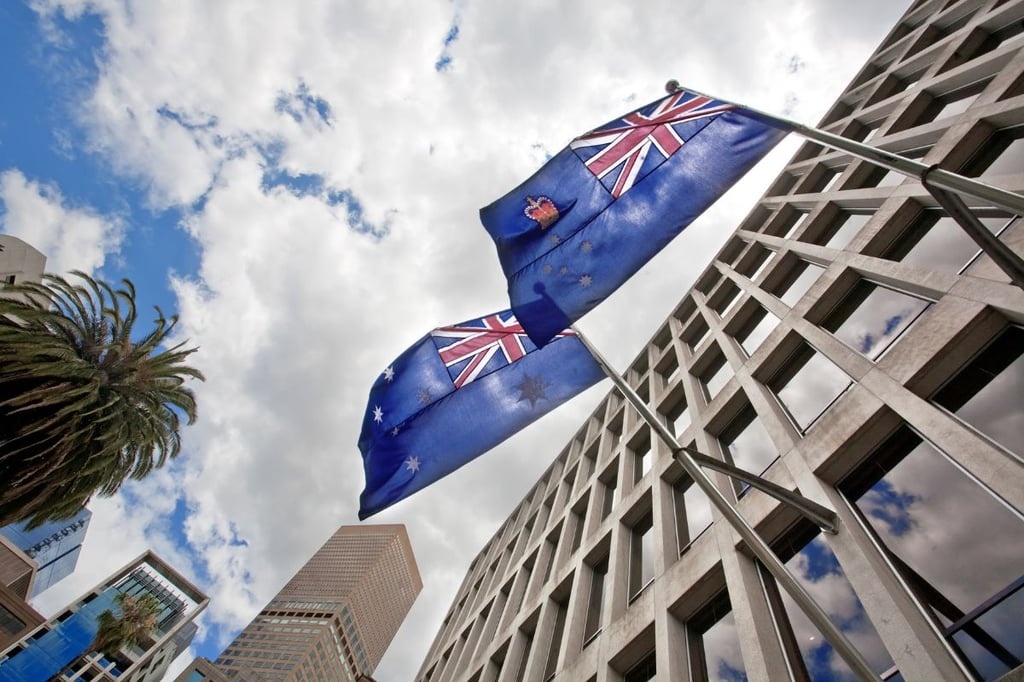 |
With the introduction of the NIV programme, the country is signalling a broader shift in immigration policy – from attracting capital to attracting capability. The programme places greater emphasis on an individual's ability to generate innovation, commercialise ideas and contribute to Australia's long-term economic growth than on the size of their investment portfolio. Rather than replacing one investment visa with another, Australia has redefined what it considers to be a valuable economic contribution.
Human capital takes centre stage
The decision reflects a broader transformation in Australia's economic priorities.
As industries such as AI, advanced manufacturing, clean energy, biotechnology and digital technologies reshape the global economy, governments are increasingly competing for highly skilled entrepreneurs, researchers, and innovators instead of simply competing for investment dollars.
Under this strategy, individuals with internationally recognised achievements, commercial innovation, research excellence or leadership in priority industries are viewed as long-term economic assets capable of creating businesses, developing new technologies, generating employment and strengthening national competitiveness.
In this context, human capital has become as strategic asset alongside financial capital.
A global race for talented entrepreneurs
Australia is not alone.
Across developed economies, immigration policy is increasingly being used as an economic development tool. Rather than measuring applicants solely by their net worth, governments are placing greater value on intellectual property, entrepreneurial achievements, research output, industry recognition and the potential to contribute to future-focused sectors.
The National Innovation Visa reflects this direction by targeting individuals whose expertise aligns with Australia's strategic priorities, including AI, cybersecurity, advanced manufacturing, health and medical technologies, clean energy, fintech, agri-tech and other innovation-driven industries.
The objective extends beyond attracting successful individuals. It is about strengthening Australia's capacity to innovate, improve productivity and remain globally competitive over the coming decades.
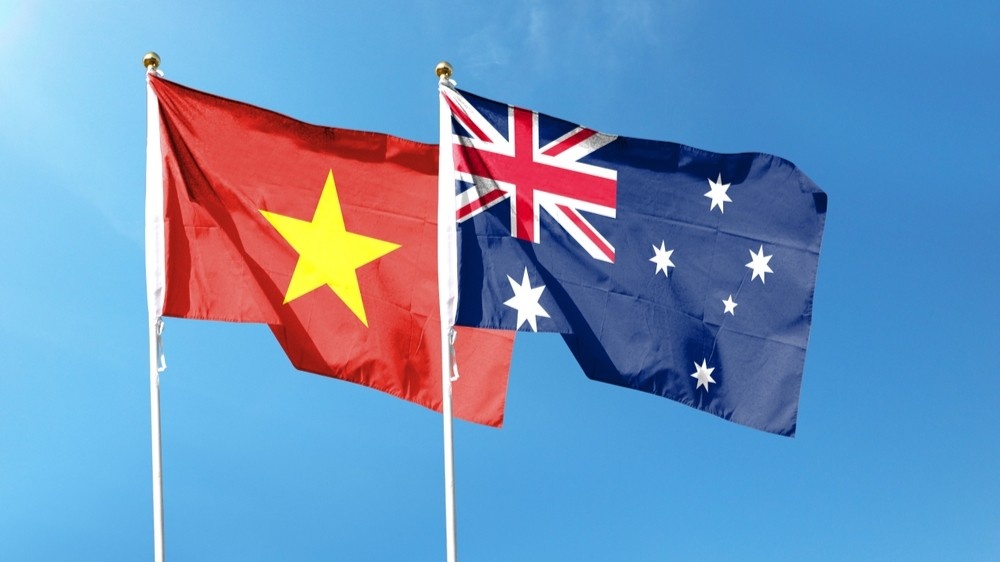 |
Over the past decade, Vietnam has emerged as one of Southeast Asia's fastest-growing innovation ecosystems. A new generation of entrepreneurs has built technology companies, expanded into international markets, secured overseas investment, registered intellectual property and collaborated with multinational corporations, research institutions and global universities.
Achievements that were once viewed primarily as professional milestones are increasingly becoming valuable credentials within Australia's talent-focused immigration framework.
For founders, technology executives, researchers and specialists, the strength of a professional profile may now carry greater weight than the size of an investment.
A great opportunity for Vietnamese entrepreneurs
The changing landscape also creates new opportunities for Vietnamese professionals and business leaders.
Rather than asking how much capital an applicant can invest, the conversation is increasingly centred on what value that individual can create for the economy over the long term.
Professional achievements, innovation capability, commercial impact, industry leadership and international recognition are becoming important indicators of an applicant's potential contribution.
For many globally minded entrepreneurs, investing in personal capability, through innovation, expertise and a proven track record, has become an investment in itself.
 |
As governments compete more aggressively for world-class talented professionals, investment migration is evolving beyond financial resources. It demands a carefully structured strategy that presents an applicant's achievements, experience and long-term contribution in a way that aligns with national priorities.
With more than three decades of experience in immigration law across multiple jurisdictions, Harvey Law Group advises entrepreneurs, business leaders and highly skilled professionals on developing competitive profiles and identifying immigration pathways aligned with their long-term global ambitions. For more information about the National Innovation Visa, please contact Harvey Law Group at +84 91 444 1016.
 | Australia provides $1.3 million to support joint research projects with Vietnam On June 16, a new partnership to fund collaborative research projects between Australia and Vietnam is open. |
 | Powering Vietnam’s climate transition The Australian government on May 26 announced a commitment of up to $10 million for venture capital firm Do Ventures Fund II, providing capital for climate-focused Vietnamese businesses and strengthening Vietnam's climate investment market to attract greater private finance. |
 | Vietnam and Queensland deepen education ties to power innovation On April 15, the National Innovation Centre (NIC) under the Ministry of Finance, in collaboration with Trade and Investment Queensland (TIQ), hosted the Education for Innovation Showcase in Hanoi, bringing together around 80 representatives from government agencies, universities, research institutes and businesses across Vietnam and Australia. |
What the stars mean:
★ Poor ★ ★ Promising ★★★ Good ★★★★ Very good ★★★★★ Exceptional
Latest News






More News
- KN Holdings honoured for ESG efforts in Vietnam (October 18, 2026 | 11:00)
- APEA 2026 Vietnam honours 65 outstanding leaders and enterprises (October 17, 2026 | 10:00)
- MEXC highlights AI-driven trading and broader market access at TOKEN2049 (October 17, 2026 | 09:00)
- EuroCham confidence index holds at 78.3 despite operational hurdles (October 16, 2026 | 17:27)
- Shrimp and rice firms face rising standards in export markets (October 16, 2026 | 09:00)
- SCG and Prime Group add value to the ecosystem (October 15, 2026 | 15:55)
- Project readiness key to unlocking green finance (October 15, 2026 | 12:35)
- Sovereign AI and human oversight key to secure digital government (October 15, 2026 | 12:32)
- MEXC Ventures partners with Corelia Academy: Bringing digital asset education closer to Vietnamese students (October 15, 2026 | 09:00)
- Global design expertise meets a more sophisticated Vietnam market (October 15, 2026 | 09:00)









 Mobile Version