
OmniHub: Technology delivers speed, but financial experts steer model

By integrating AI into corporate risk assessment, the platform reduces analysis time to under 24 hours. But who controls the model, and how is data kept secure? The answer lies in OmniHub’s design.
 |
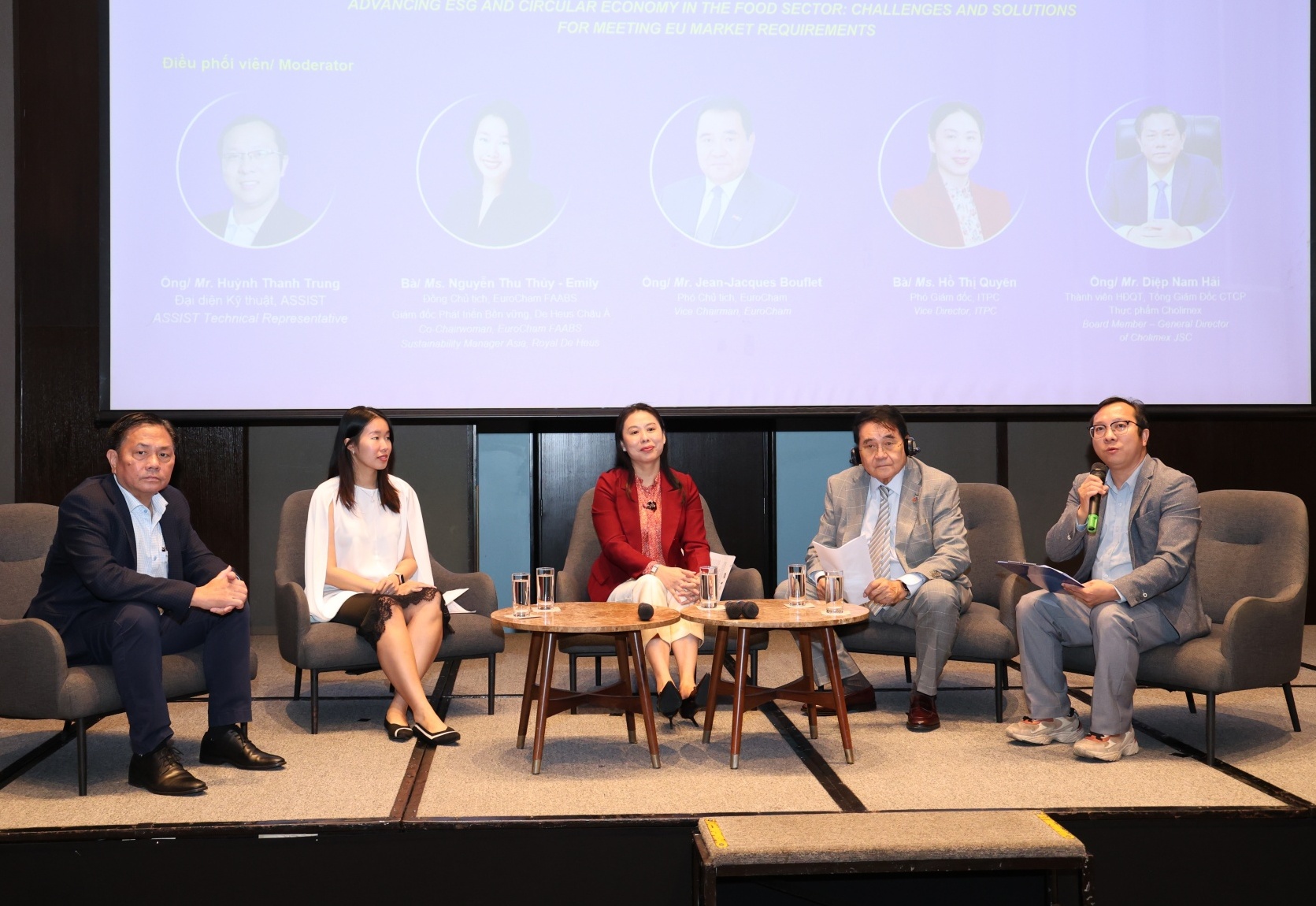
| Nguyen Thanh Nghi, CEO of TMR, speaks at a panel discussion at the seminar ‘Digital Financing Programme for SMEs’. Photos: TMR |
At the discussion, the TMR leader noted that digitising processes was only the first step in corporate lending. The real value lies in connecting systems, reducing transaction costs, and building trust among institutions when sharing data.
“SME lending illustrates this challenge. Businesses may have customers, orders, and production capacity, yet banks often lack reliable information to make timely lending decisions.The bottleneck, therefore, is not simply collateral. The market lacks mechanisms for standardised information, independent assessment, and controlled data sharing. Manually reviewing SME applications is often time-consuming and resource-intensive, prompting TMR to automate its assessment process,” said Nghi.
He noted that OmniHub platform operates through three technology layers.
The first digitises input data. The system electronically verifies the identities of legal representatives and corporate entities, extracts information from financial statements, bank statements and contracts uploaded by businesses, and converts everything into a standardised data structure.
The second layer performs validation and calculations. It checks data consistency, calculates financial ratios, benchmarks them against industry averages, and flags unusual fluctuations.
The third applies a risk-scoring model that combines TMR's financial experts' methodology with data science models, producing results on an 18-grade credit risk grade (CRG) scale.
Through these three layers, results at the Digital Profile Verification level are available in under five minutes, while Independent Risk Analysis takes less than 24 hours after all required data has been provided.
Continuous monitoring
A notable feature of OmniHub is that analysis results are updated continuously rather than periodically. Continuous monitoring here means more than refreshing a company’s own data.
TMR aggregates macroeconomic, industry, and company data in real time, and all three can affect each business’s results. The system runs two update mechanisms in parallel.
The first works top-down: when macroeconomic and industry data change, TMR may adjust its risk assessment of a company’s core business sector, indirectly shifting the company’s CRG level.
The second works bottom-up: when a business updates its financial statements or operating data, including new loans, the system reruns the model to update its CRG.
As a result, risk profiles are updated in sync throughout the life of the loan, rather than once a year. Data science and AI handle the processing, but always follow a methodology designed and supervised by TMR’s financial experts.
Financial experts retain control
 |
Asked who controls the model, TMR affirmed that this authority rests with financial experts, reflected in three key areas.
First is the methodology. The factors assessed, their respective weightings, and the thresholds triggering alerts are all designed and approved by TMR's financial experts, who have more than 20 years of experience.
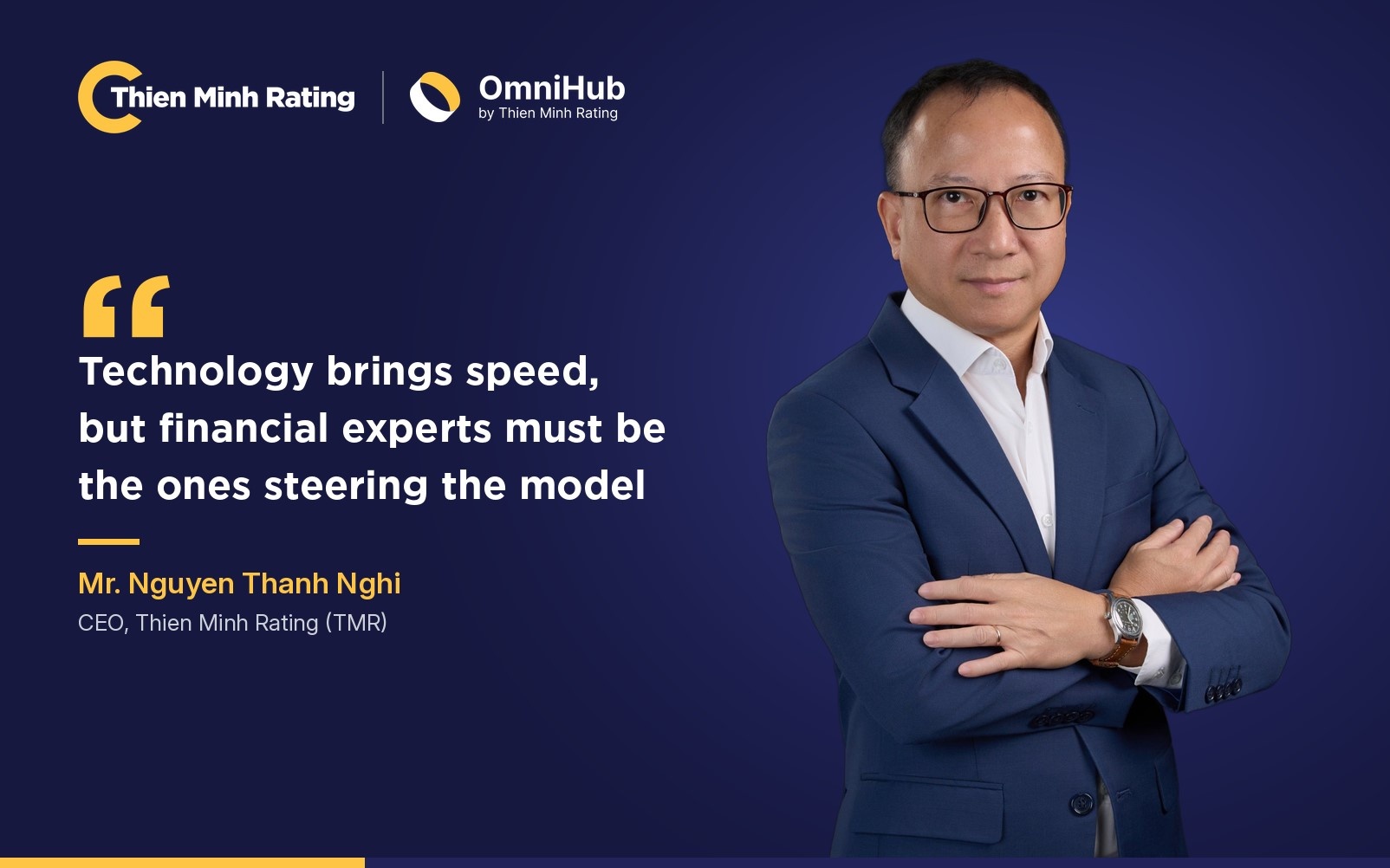
“Numbers are only trustworthy when someone takes responsibility for them. That is why I always tell our technical team: technology brings speed, but financial experts must be the ones steering the model,” Nghi said.
Second is explainability. Every result comes with an explanation of which factors drive the score up or down, presented in financial analysis language that both bank officers and businesses can understand. TMR rejects the black-box approach of producing figures that no one can explain.
Third is post-deployment supervision. Experts monitor model performance, review unusual cases, and refine the methodology as real-world conditions evolve. For independent credit ratings, experts conduct the assessment directly, with technology serving only as a supporting tool.
Addressing concerns that AI could fabricate figures, TMR acknowledged that such concerns are well-founded. This is known as AI hallucination.
OmniHub addresses this risk at the architectural level. AI is used solely to interpret documents and extract data. All calculations, from balance-sheet checks to financial ratios, are performed by deterministic programmes, ensuring that the same input always produces the same result.
This separation makes results reproducible and auditable. AI-extracted figures must also pass cross-checks before entering the model. Any inconsistencies are flagged for expert review rather than automatically interpreted by the system.
Data shared only with business consent
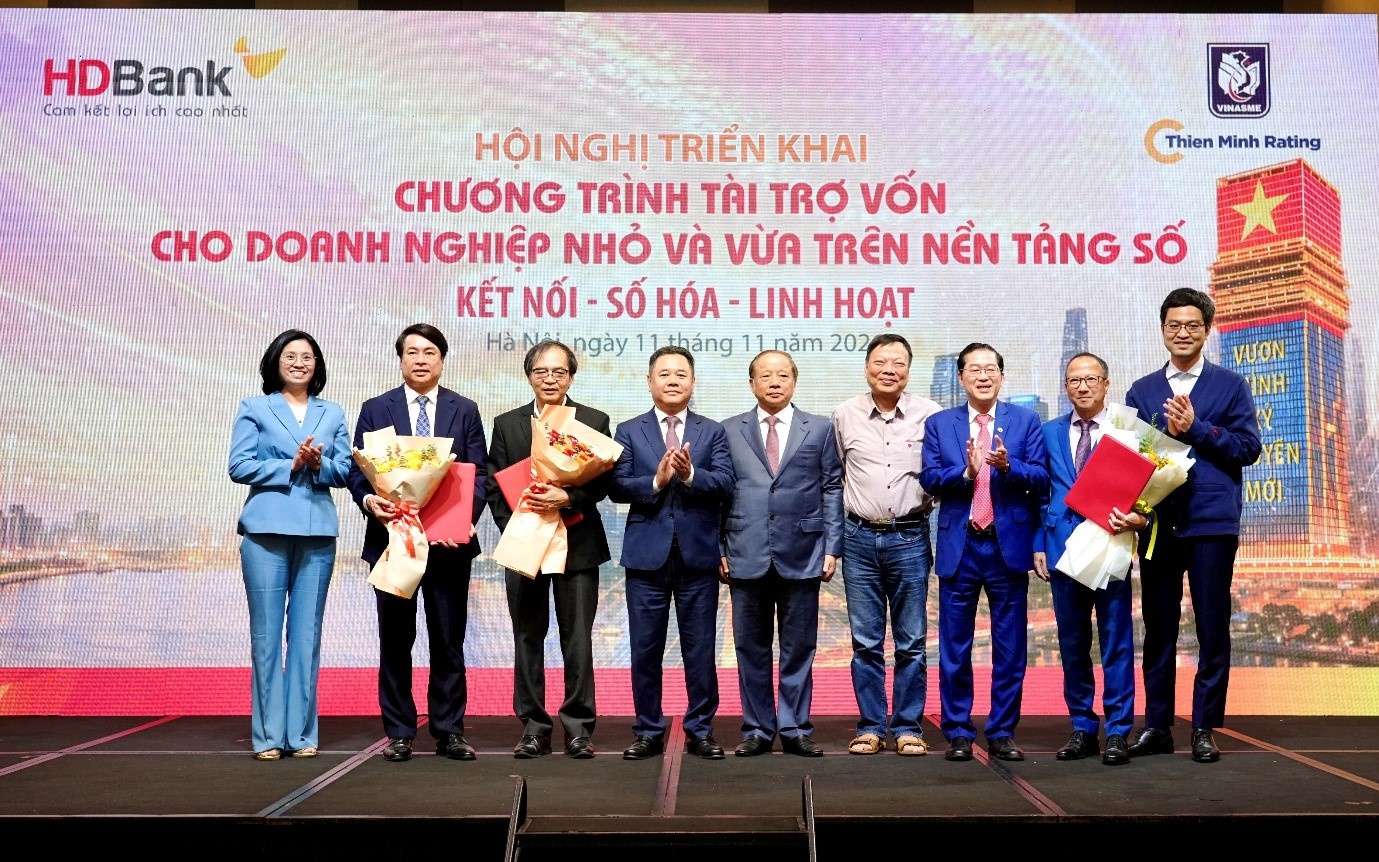 |
| Deputy Governor of State Bank of Vietnam Nguyen Ngoc Canh (fourth from left) and delegates congratulate VINASME, HDBank, and TMR on their three-party cooperation |
Speaking at the conference, Deputy Governor of State Bank of Vietnam Nguyen Ngoc Canh stressed that data use must comply with the law, be based on consent, and be secure.
For OmniHub, TMR treats data protection as a fundamental design requirement. Data is used only for authorised purposes, within the scope permitted by businesses, and in compliance with personal data protection regulations.
Businesses are fully informed about how their data is used and with whom it is shared. Sharing requires their electronic consent for each recipient, and access permissions can be revoked at any time.
Technically, data is encrypted both in transit and at rest. Access rights are assigned by role, and every access is logged, allowing businesses to see who viewed what and when.
TMR does not transfer raw data to banks. Instead, banks receive digital profiles and assessment results within the scope authorised by the business. Each sharing instance requires a separate, time-limited access permission.
Even so, TMR openly pointed out the limitations of technology in this field and does not expect it to eliminate credit risk entirely.
Technology can effectively process quantitative factors, but qualitative aspects, such as business owners' reputations and management quality, are difficult to fully capture in numbers.
“Judgment-based assessments must therefore remain with experts and bank officers, while lending decisions ultimately belong to the banks,” Nghi said.
 | Financial experts urge caution against dollar loans Experts have warned enterprises to be more cautious with their US dollar loans amidst a significant rise in the lending and appreciation of the greenback. |
 | Key investment principles to accumulate wealth: VCBF experts Investing and accumulating wealth may seem complicated, but actually there are basic principles that anyone can apply. |
 | Academic-policy network planned to support VIFC development Vietnam is working to establish a nationally recognised academic-policy forum in finance, aimed at strengthening policy advisory capacity and supporting the development of its International Financial Centre. |
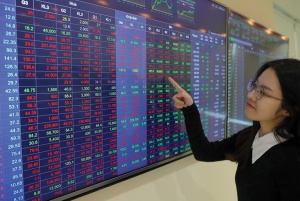 | Profit divide widens among securities firms in Q1 The securities industry posted a stark split in the first quarter of 2026, with bank-backed brokerages delivering strong profit growth while smaller firms struggled with losses amid rising competition and risky proprietary bets. |
What the stars mean:
★ Poor ★ ★ Promising ★★★ Good ★★★★ Very good ★★★★★ Exceptional
 Tag:
Related Contents







Latest News
More News
- VIB seizes opportunities to optimise liquidity through the SBV’s FX swap facility (November 19, 2026 | 09:54)
- Samsung and ShopeePay deepen payment partnership in Vietnam (November 16, 2026 | 17:44)
- Which financial plan should you consider? Key criteria to guide your decision (November 16, 2026 | 15:33)
- MB launches partnership to attract international cultural and entertainment events (November 16, 2026 | 12:00)
- Vietnam approves securities regulatory sandbox from March 2027 (November 15, 2026 | 20:43)
- Vietnam, Japan ministers of finance chart next phase of cooperation (November 12, 2026 | 11:07)
- Strive Women unlocks $1 billion in credit for small businesses (November 11, 2026 | 14:28)
- Vietnam and Daiwa Securities discuss cooperation in capital market development (November 11, 2026 | 14:27)
- Banks lift nine-month earnings through diversified revenue (November 11, 2026 | 13:58)
- SSIAM, EVF seal investment deal backed by Japanese capital (November 10, 2026 | 18:47)








 Mobile Version