
Future orientations for healthcare improvements

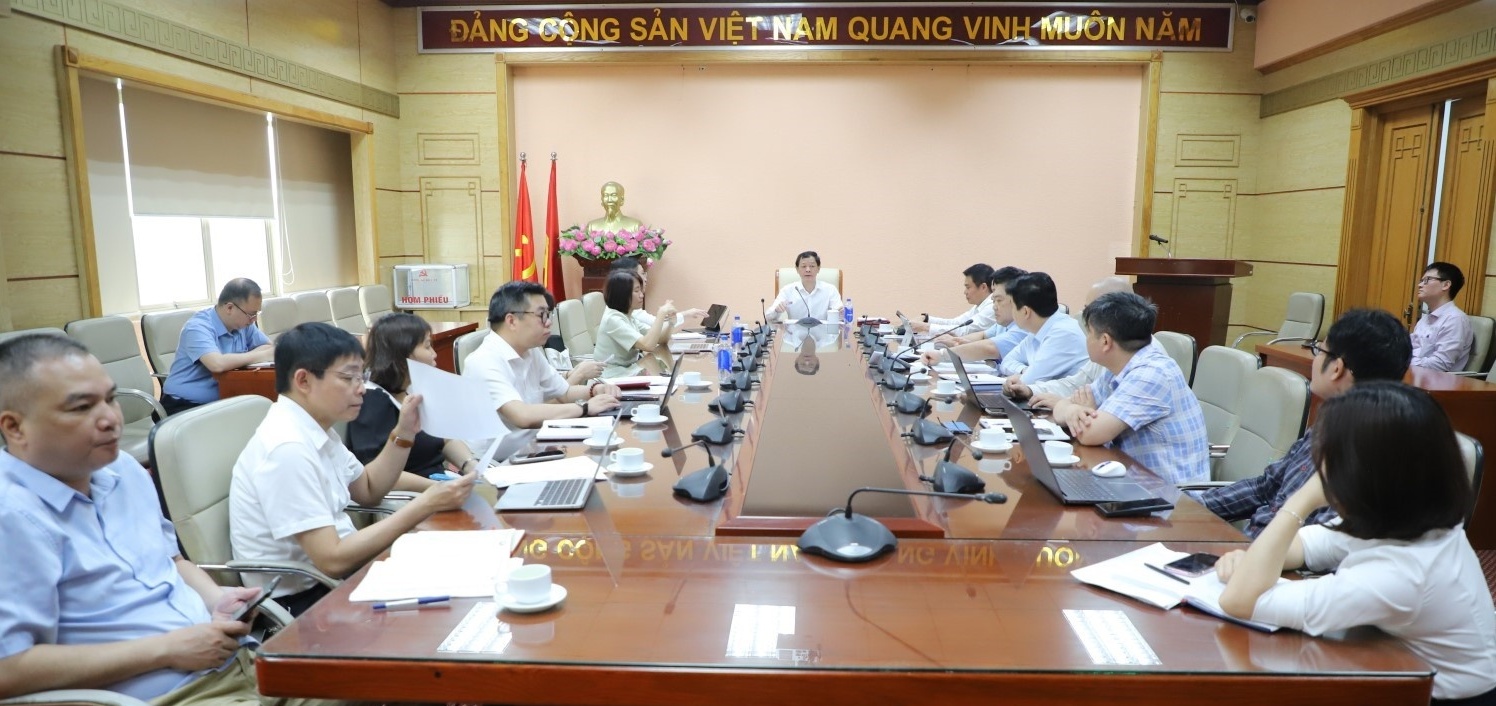
Recent policies shift the focus from medical examination and treatment to comprehensive healthcare. How is the Ministry of Health (MoH) implementing this direction?
 |
| Dao Hong Lan |
Over the past period, the Party and the state have issued many important policies to develop the health sector, with Resolution No.72-NQ/TW being a groundbreaking document that provides a foundation for the cause of caring for, protecting, and improving health.
Resolution 72 is approached from the perspective that people’s health is the most valuable asset and the focus of service and implementation of tasks and solutions in the sector. The resolution also clearly demonstrates the spirit of removing obstructions in the sector that have not been fundamentally addressed for a long time.
It addressed the transformation of healthcare, shifting from primarily focusing on diagnosis and treatment to comprehensive healthcare; enhancing the role and importance of disease prevention; and providing early and remote care.
The work of protecting and improving health will be closely linked to comprehensive management and care throughout the life cycle. This is a major shift in the direction of implementing the tasks of the sector in the coming period.
After three months of implementing Resolution 72, under the decisive direction and management of the government and the close coordination of ministries and sectors, the implementation work has been strongly promoted, creating initial changes.
Notably, localities have made significant progress in developing resolutions and plans to concretise the spirit of Resolution 72, thereby forming practical projects, solutions, and policies that are appropriate to the actual conditions of each locality.
One of the identified problems is the institutional framework. How will the ministry focus on addressing this issue?
Resolution 72 sets out the requirement to focus on removing the hindrance related to the institutional framework. Recent practice shows that institutional inadequacies have created many obstacles in the organisation and implementation of tasks within the health sector.
Therefore, the remaining issues, as well as the future development direction of the sector, will be addressed through the improvement of institutions, policies, and mechanisms for mobilising and allocating resources.
The overarching principle is that policymaking must ensure close participation and coordination between the state and relevant stakeholders; while effectively combining public and private resources and promoting the role of citizens in organising and implementing tasks related to improving public health.
This approach aims to clearly define the responsibilities of the political system and society as a whole regarding healthcare, while also creating conditions for policies to be implemented effectively and substantially.
For the MoH, in the coming period, we will continue to review and refine regulations and mechanisms to remove obstructions and ensure the synchronised implementation of solutions outlined in Resolution 72. The ministry has registered a legislative drafting scheme for the next five years and subsequent years, in which improving the quality of institutional development is identified as a key task, contributing to removing impediments and addressing gaps in the process of organising and implementing tasks.
Along with institutional reform, it is essential to ensure the appropriateness, feasibility, and effectiveness of implementation. Accordingly, policy development and promulgation must be closely linked to implementation mechanisms and the participation of relevant stakeholders, ensuring clarity and transparency in practice, and mobilising the involvement of all levels, sectors, and society as a whole.
What focus will be on mobilising resources, combining state resources, the Health Insurance Fund, the private sector, and the participation of individuals?
Resolution 72 has put forward groundbreaking solutions for mobilising resources, including both public and private resources; and at the same time, emphasises the role, responsibility, and participation in the process of organising and implementing healthcare solutions.
To effectively utilise resources for the sector, in addition to state resources, the focus should be on implementing the National Target Programme over the next 10 years with specific solutions to ensure maximum effectiveness.
Alongside this, it is necessary to mobilise and effectively utilise other resources, including the management and use of the Health Insurance Fund in line with the goal of universal health insurance, boosting the role of professionals in the private sector, and increasing public participation in self-care and health protection.
Reforming mechanisms and ensuring resources for public healthcare in the coming period requires specific solutions to mobilise all resources comprehensively. A consistent approach is to strengthen coordination and encouraging the participation of all levels, sectors, and relevant stakeholders; while simultaneously institutionalising these efforts through clear and transparent policies, creating a foundation for effective implementation in practice.
How has the institutionalisation of the principles outlined in Resolution 72 being implemented, especially through the documents submitted to the 10th session of the National Assembly (NA)?
To implement it, in the past period, the MoH has advised on many important documents to concretise these contents during the session of the NA. First is developing a resolution on specific and solutions in public health protection.
Secondly, the NA passed the Law on Disease Prevention and the Law on Population in which the Law on Disease Prevention includes mechanisms to institutionalise the contents that people are very concerned about in Resolution 72, such as healthcare throughout the life cycle, disease prevention is focused as the initial solution in the work of protecting and improving health with specific policies. This is an important basis for the MoH to coordinate with other ministries, departments and agencies to develop a specific implementation plan.
Thirdly, the MoH has advised and submitted the national target programme on health development and population policy for the next 10 years, ensuring resources for the implementation of these policies when institutions and policies are issued, there will be resources for their implementation.
We believe this is a tremendous effort, and citizens are eagerly awaiting concrete solutions to be implemented.
With regard to human resources and digital transformation, what are your priorities in order to meet the requirements of comprehensive healthcare, early and remotely, and at grassroots level?
One issue identified in Resolution 72 is addressing difficulties in personnel to ensure the implementation of health policies. Therefore, the issues of removing obstacles to the policies regarding specialised training in the sector have been clearly reflected in the resolution.
Another important task is creating mechanisms for the development of the grassroots healthcare system. To implement the goal of providing early, remote, and on-site healthcare, the MoH has completed tasks related to the deployment of healthcare services at the grassroots level. Through this implementation process, significant support and agreement have been achieved, including strengthening the functions and responsibilities of grassroots healthcare.
Local authorities have also supported and implemented various solutions. For example, Hanoi, Quang Ninh, Ho Chi Minh City, and many other provinces and cities have implemented the tasks outlined in Resolution 72 through very specific activities, which have been met with public approval and support.
The MoH has collaborated with the Ministry of Education and Training finalising the legal framework on training, including content related to the development orientation of human resource training in the healthcare sector.
Furthermore, with the existing mechanisms regarding staff and policies on human resource utilisation at the grassroots level, many solutions will be developed and implemented in the future to attract healthcare staff in general.
Another solution is to strengthen international cooperation, apply science and technology, and promote digital transformation in the sector. This is a strength that the MoH has been focusing on implementing.
Currently, the MoH is aggressively developing and implementing specific solutions for building and applying electronic medical records, establishing databases for the sector; applying AI in scientific research, and digital transformation to make healthcare more convenient, appropriate, and accessible to science and technology.
What the stars mean:
★ Poor ★ ★ Promising ★★★ Good ★★★★ Very good ★★★★★ Exceptional
 Tag:
Tag:Related Contents




Latest News






More News
- AI and semiconductors drive new wave of Vietnam-South Korea business ties (April 24, 2026 | 14:57)
- Thanh Nam Group moves into coffee export market (April 24, 2026 | 13:00)
- Hyundai Rotem to supply driverless trains for Ho Chi Minh City metro (April 24, 2026 | 12:26)
- Vietnam's auto sector to benefit from Hyundai, KOICA training deal (April 24, 2026 | 12:21)
- Green SM extends lead in Vietnam's ride-hailing market to over 54 per cent (April 24, 2026 | 10:29)
- AMRO notes Vietnam's economic resilience despite global uncertainties (April 24, 2026 | 10:06)
- Dien May Xanh posts over $40,000 profit per hour in Q1 (April 23, 2026 | 17:39)
- VinFast deliveres over 58,000 EVs globally in Q1 (April 23, 2026 | 17:24)
- Jadestone Energy signs gas sales agreement in Vietnam (April 21, 2026 | 17:20)
- Vietnam’s small businesses top Asia-Pacific growth rankings, survey says (April 21, 2026 | 11:55)








 Mobile Version