
Foreign executives assess Vietnam business outlook for 2026

 |
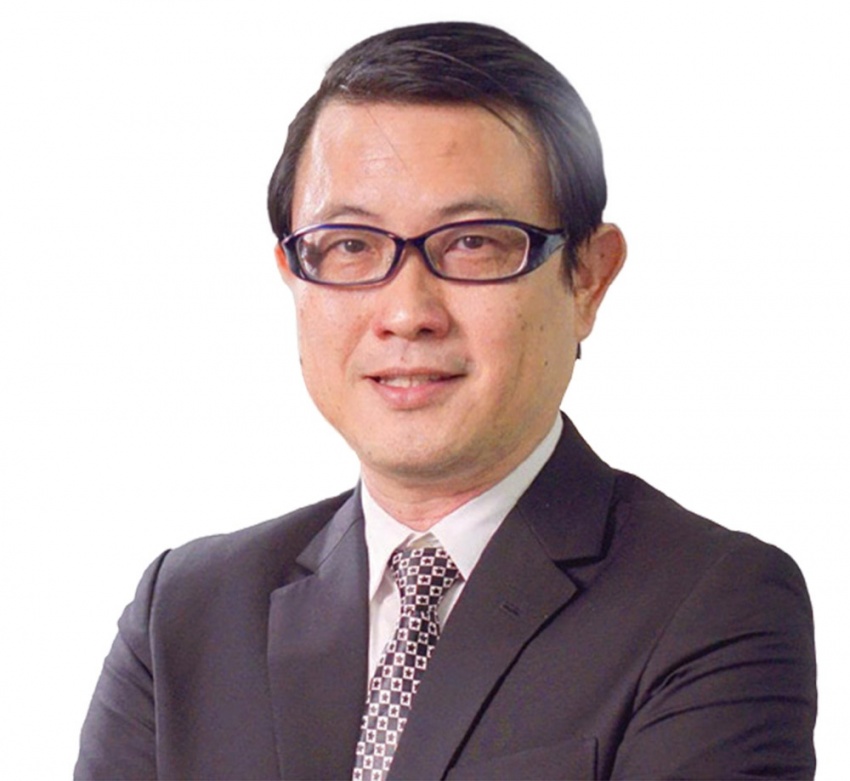
Ben Ding Khoon Yew, general director Soilbuild International
 |
From a business development perspective, Vietnam’s economic outlook in 2026 remains positive and opportunity-driven. The government’s ambition to pursue higher growth reflects strong confidence in the country’s ongoing structural reforms, sustained public investment, and expanding integration within global value chains. Political stability, a competitive labour force, and Vietnam’s extensive network of trade deals continue to underpin a resilient investment environment.
Foreign direct investment (FDI) momentum is expected to remain strong across manufacturing, logistics, electronics, and other higher value-added sectors. Importantly, investor priorities are evolving. Beyond traditional cost considerations, there is increasing emphasis on execution capability, compliance in environmental, social, and governance (ESG), and the ability to scale operations efficiently over the long term.
In this context, Vietnam’s continued investment in infrastructure, industrial development, and workforce upskilling is well aligned with the needs of global investors, further reinforcing its position as a key regional manufacturing and investment hub.
In 2026, Soilbuild International (Vietnam) is set to launch two projects, Spectrum Bac Ninh and Spectrum+ Bac Ninh, reflecting our strong confidence in Vietnam’s continued FDI growth.
In 2026, we will focus on aligning our product portfolio with the evolving lifecycle of manufacturing investors in Vietnam. As FDI continues to diversify, we see demand segments ranging from first-time market entrants prioritising speed and flexibility to established manufacturers seeking customised, long-term facilities. To address this, we have adopted a dual-track development strategy that balances ready-built factories and built-to-suit solutions. At the same time, we have increasingly sharpened focus on location quality, technical specifications, and estate management standards. Today’s tenants are more selective, placing greater emphasis on regulatory compliance, ESG readiness, and operational resilience.
Many tenants are also adopting asset-light investment strategies to mitigate risk, and well-managed, ready-built industrial facilities allow them to scale quickly while preserving flexibility.
From a market perspective, disciplined capital allocation and demand-driven development remain central to our strategy. We prioritise projects in established and emerging industrial hubs where infrastructure connectivity and labour availability can support sustainable absorption.
Remco Enders, managing director DSV Solutions
 |
At DSV, we see the uncertainties experienced in 2025 as a part of a broader transition towards positive long-term progress.
Our strategy centred on agility and connection. Internally, we streamlined our administrative workflows and fostering cross-functional synergy. These actions significantly boosted our organisational agility, allowing for swifter, data-driven decision-making.
Externally, we prioritised real-time communication with our stakeholders. This stance ensured that despite market shifts, our customers’ supply chains remained uninterrupted and cost-effective. This dual approach ensured supply chain stability for our clients, helping us not only overcome immediate obstacles but also strengthen the trust and resilience that define our brand today.
While growth rates vary by sector, we observed robust volume development throughout 2025 and anticipate a consistent upward trajectory in 2026. This positive outlook is supported by two key factors.
Firstly, the government’s commitment to infrastructure investment and the ongoing refinement of business regulations are crucial. These developments empower our clients to expand their operations.
Secondly, we are witnessing a clear strategic shift as global companies increasingly view Vietnam as a regional hub. We see more businesses relocating their supply chain focal points to Vietnam from other markets to handle export manufacturing and regional distribution services. We are prepared to support this evolution through our global network.
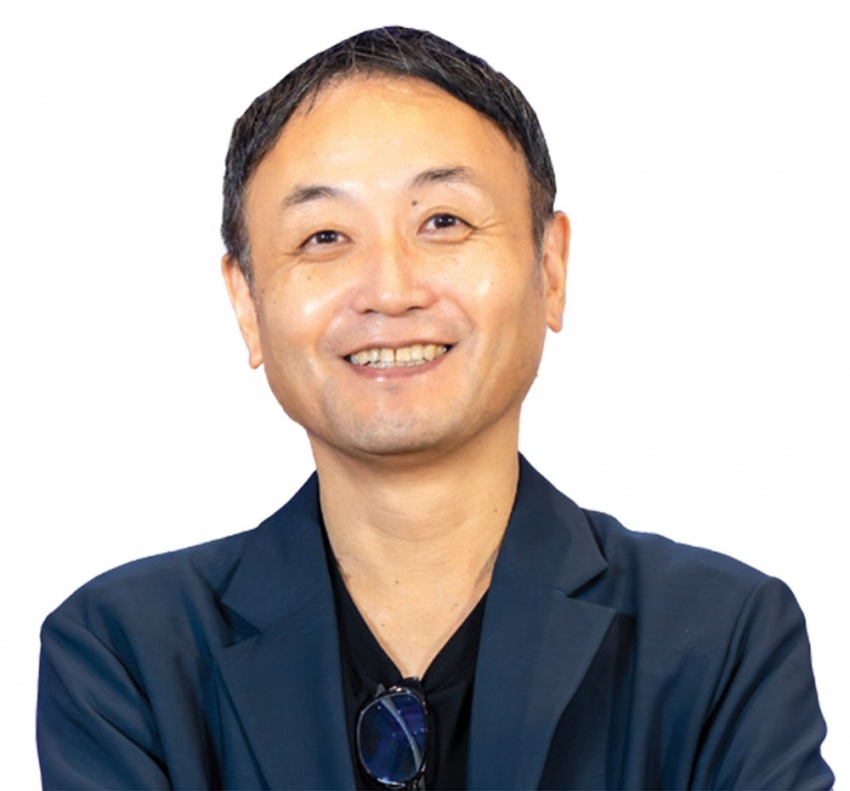
Okabe Mitsutoshi, chief representative, Japan External Trade Organization in Ho Chi Minh City
 |
Japan’s approved investment value in 2025 rose by 19.5 per cent on-year to approximately $3 billion, according to the Foreign Investment Agency of Vietnam. In terms of the number of projects, Japan recorded 429 cases, representing a 3.4 per cent decline from the previous year.
Major Japanese projects included the development of shopping malls by a major retail company, industrial park development by a trading house, and expansion investment by a manufacturer of automatic control equipment. These developments appear to be underpinned by expanding market demand.
Our recent survey indicated that many Japanese companies operating in Vietnam make use of the Japan-Vietnam Economic Partnership Agreement for both imports and exports.
This indicates that the partnership provides significant benefits for Japanese firms. Furthermore, for companies considering exporting from their production bases in Vietnam to third countries, the fact that Vietnam has concluded numerous free trade agreements not only with Japan but also with many other nations suggests that the various trade agreements promoted by the Vietnamese government may serve as positive factors influencing investment decisions by Japanese enterprises.
As a premise, Japanese companies face the challenge of rising investment costs due to the depreciation of the yen. In addition to this, Vietnam-specific issues include complex administrative procedures and underdeveloped or non-transparent legal frameworks.
According to a 2025 survey on business conditions of Japanese companies operating overseas released in November, 67.5 per cent of Japanese companies operating in Vietnam cited administrative complexity as a risk, while 58.7 per cent pointed to insufficient or opaque legal systems. Both figures exceed the ASEAN average by more than 20 percentage points.
In recent years, inquiries from Japanese companies seeking to expand into Vietnam, received by our Ho Chi Minh City Office, have predominantly involved the services sector, including wholesale and retail operations, sales subsidiaries, and logistics and warehousing businesses.
Japanese investment in Vietnam through 2025 similarly showed a strong presence of retail companies and trading houses. This trend is expected to continue into 2026.
We have been actively engaged in identifying, gathering information, and promoting Vietnamese startups, while also organising pitch and matching events to introduce these startups to potential Japanese partners.
In 2025, following developments seen in 2024, there were continued cases of Japanese companies investing in or collaborating with Vietnamese startups as partners when entering fast-growing markets in Vietnam and Southeast Asia, such as the two-wheeler, e-commerce, and education sectors. This trend is expected to continue into 2026, with further collaborations and partnerships anticipated between Japanese companies and local startups.
Miguel Angel Ferrer, chairman, BeLuxCham Vietnam
 |
Vietnam approaches a combination of strong underlying momentum and rising expectations around quality of growth. Macroeconomic prospects remain positive, supported by domestic consumption, industrial activity, and Vietnam’s continued positioning as a core manufacturing and logistics hub in Asia.
Foreign direct investment is expected to remain resilient, but increasingly selective. Investors are no longer focused solely on cost competitiveness. They are assessing energy reliability, regulatory clarity, workforce quality, and the ability to operate efficiently over long project cycles. Vietnam’s success in attracting foreign investment in 2026 will depend on how well it responds to these more demanding criteria.
This shift is evident in our work through VEEP and Pebsteel. At VEEP, growth has come from helping businesses identify where energy and resource waste directly erodes margins, and from structuring efficiency improvements in a way that aligns technical performance with financial decision making.
At Pebsteel, competitiveness increasingly depends on integrating design optimisation, material efficiency, and energy considerations early in project development, rather than treating them as add-ons. The common lesson is clear. Companies that embed efficiency and performance into their core strategy are better positioned to sustain growth.
European companies are committed to Vietnam, but they are increasingly cautious. They seek clearer regulatory pathways, faster and more consistent approval processes, and practical guidance on sustainability and compliance obligations. Dialogue with authorities is improving, but businesses still face uncertainty when policies are interpreted differently across provinces.
Several targeted policy adjustments could materially improve outcomes. Regulatory stability and clearer implementation guidelines would reduce execution risk for long-term investments. Expanding access to green and transition finance, particularly for energy efficiency and industrial upgrades, would unlock projects that are economically sound but capital constrained. Finally, continued investment in grid reliability, skills development, and digital public services would directly support productivity and investor confidence.
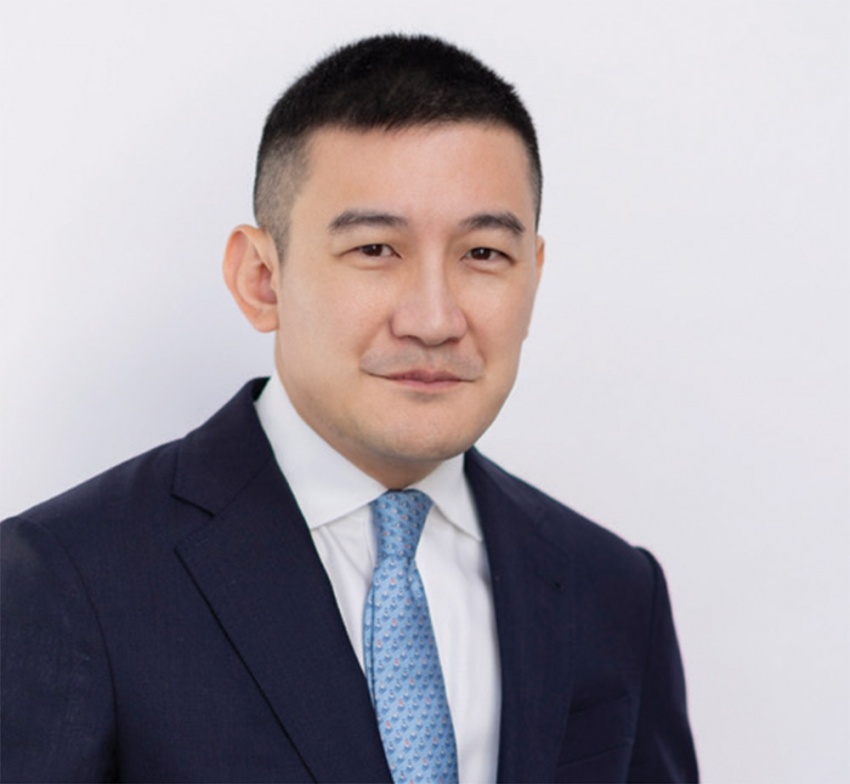
Gene King, CIO, BW Industrial
 |
Last year was a demanding but ultimately constructive year for Vietnam’s industrial market. The US tariff changes and administrative restructuring created short-term uncertainty but turned out to be a validation of Vietnam’s significance in global supply chains. From BW’s perspective, the response was not to wait for uncertainty to pass, but to focus on what we could control.
We first prioritised certainty and efficiency for tenants, leaning into ready-built assets with standardised approvals to offset the lengthy licensing timeframe. Secondly, we engaged policymakers proactively, contributing to formal submissions through the Private Sector Development Committee and providing input on Investment Law amendments, specifically on the investment licensing process, by suggesting the abolition or simplification of investment registration certificates to streamline the process.
Thirdly, we absorbed administrative complexity by coordinating approvals, utilities, and compliance processes. Finally, we offset rising costs through design efficiency, optimising land use, and automation-ready facilities to support tenants’ productivity.
I remain cautiously optimistic about Vietnam’s economic growth and its continuing attractiveness to FDI, on both macro data and landed execution. In 2025, registered FDI reached $38.4 billion, while disbursed FDI hit $27.6 billion, the highest level in five years and up about 9 per cent on-year.
More importantly, over 80 per cent of disbursed FDI flowed into processing and manufacturing, confirming actual capital deployment rather than just project announcements. We see the same drivers remains intact in 2026, as China+1 diversification, export resilience, and robust e-commerce growth will continue to be solid fundamentals for industrial and logistics assets demand.
BW’s leasing performance in 2025 makes this self-explanatory: we recorded over 1.4 million sq.m of leases, continuing a strong multi-year growth trajectory and sustained tenant confidence. For investors, these fundamentals translate into stable rental growth, promising lease reversion upside, and prospective capital gains, keeping Vietnam’s industrial and logistics assets attractive to global institutional capital.
Ashish Doshi, general manager TBC-Ball Beverage Can Vietnam
 |
Last year marked an important phase of transformation for Vietnam’s business environment and the packaging industry. This period reinforced the importance of resilience, disciplined execution, and a long-term perspective. Rather than viewing change as a disruption, we approached it as an opportunity to strengthen our foundations and enhance operational excellence.
Throughout 2025, our focus was on reinforcing core capabilities. We strengthened internal governance, improved data visibility across operations, and enhanced cross-functional collaboration to ensure consistent execution.
Scenario planning and performance monitoring were embedded into our leadership processes, allowing us to respond effectively to evolving market dynamics while continuing to meet customer expectations. Investment in people remained a priority, as a skilled and engaged workforce is essential for sustaining performance in a capital-intensive industry such as packaging.
We are confident in Vietnam’s economic outlook and its continued attractiveness as a destination for manufacturing and foreign funding. Vietnam’s strong fundamentals- including its strategic location, established industrial ecosystem, improving infrastructure, and growing domestic consumption- continue to support long-term investor confidence. For the packaging sector in particular, these factors create improvements for growth alongside expanding beverage, food, and consumer goods markets.
To maintain competitiveness in 2026, TBC-Ball is focusing on productivity, innovation, and customer partnership. We are accelerating digitalisation across our manufacturing and supply-chain operations to enhance efficiency, quality, and transparency.
At the same time, sustainability remains a core strategic pillar. In the packaging industry, sustainability is not only an environmental responsibility but also a commercial imperative, as customers increasingly seek solutions that support circularity, resource efficiency, and long-term value creation.
Collaboration is central to our approach. By working closely with customers, suppliers, and recycling partners, we are able to co-develop packaging solutions that meet market needs while strengthening the resilience of the value chain. This partnership-driven model allows us to innovate responsibly and support shared growth.
From a business perspective, a supportive environment for sustainable economic development is one that emphasises clarity, consistency, and long-term orientation. When businesses can plan with confidence, they are better positioned to invest in technology, people, and innovation that contribute to productivity and competitiveness.
Federico Vasoli, managing partner dMTV Global
 |
Vietnam’s 2025 reforms consolidated provinces, eliminated the district tier and merged ministries and provincial departments, aiming to cut costs and speed up decisions. Whilst, as expected, the immediate side-effect was to create short-term obstructions in approvals and staffing, the focus shifts to attracting skilled personnel for higher-wage jobs, particularly in strategic, high-tech and green sectors, which can be beneficial for Vietnam in terms of purchase power, quality of life, and retention of high-quality talents and businesses from abroad.
The reform’s efficiencies position Vietnam well for sustained expansion, as seen in record export performance despite global headwinds. Businesses that adapted quickly, by aligning licences with new provincial boundaries and leveraging digital tools, gained a competitive edge. These measures not only mitigated risks but also built resilience.
For 2026, Vietnam’s economy benefits from strong foreign direct investment (FDI) momentum in semiconductors, renewables, and digital infrastructure, with disbursements set to grow further. Competitiveness now hinges on workforce quality, as low-wage assembly roles may make Vietnam plunge into the middle-income trap.
To foster higher-paying jobs, Vietnam can adopt proven talent attraction strategies from peer economies. For instance, Singapore’s Overseas Networks and Expertise Pass offers five-year visas to top global talents without prior job offers, drawing innovators in tech and finance while balancing local hiring through sector-specific quotas.
Ireland partners FDI agencies like IDA with Skillnet to deliver customised upskilling in biopharma and AI, supporting 275,000 high-wage jobs in multinationals. South Korea reformed education by professionalising teaching into six-year programmes with licensing, creating stable careers with 2.5 times the wage premium for graduates and fuelling chaebol-led growth.
Closer to home, Italy’s “Rientro dei Cervelli”, aimed at curbing the negative effects of the notorious brain drain that has afflicted Italy for many years, tax incentives provided 70-90 per cent income exemptions to repatriate skilled workers, attracting 75,000 professionals for tech and healthcare roles.
Malta’s Permanent Residence Programme grants EU access via investments starting at €375,000 ($443,400) in property, coupled with tax perks, pulling in entrepreneurs for iGaming and fintech while addressing skills gaps through targeted immigration.
Vietnam may want to evaluate similar mechanisms: fast-track visas for high-skill experts in priority sectors, tax rebates for firms creating good jobs above market wages, and public-private partnerships for vocational training aligned with FDI needs.
But, more importantly than individual measures, Vietnam must cultivate an organic foundation of robust rule of law, efficient administration, and a solid international reputation to sustainably attract talents and FDI.
This cannot be imposed top-down through sporadic reforms but must grow naturally from education first of all, and then consistent, transparent enforcement of contracts, property rights, and regulatory stability, qualities that define trusted economies. The hard-working, entrepreneurial Vietnamese people definitely have what it takes to get there.
Edwin Chee, COO, SLP
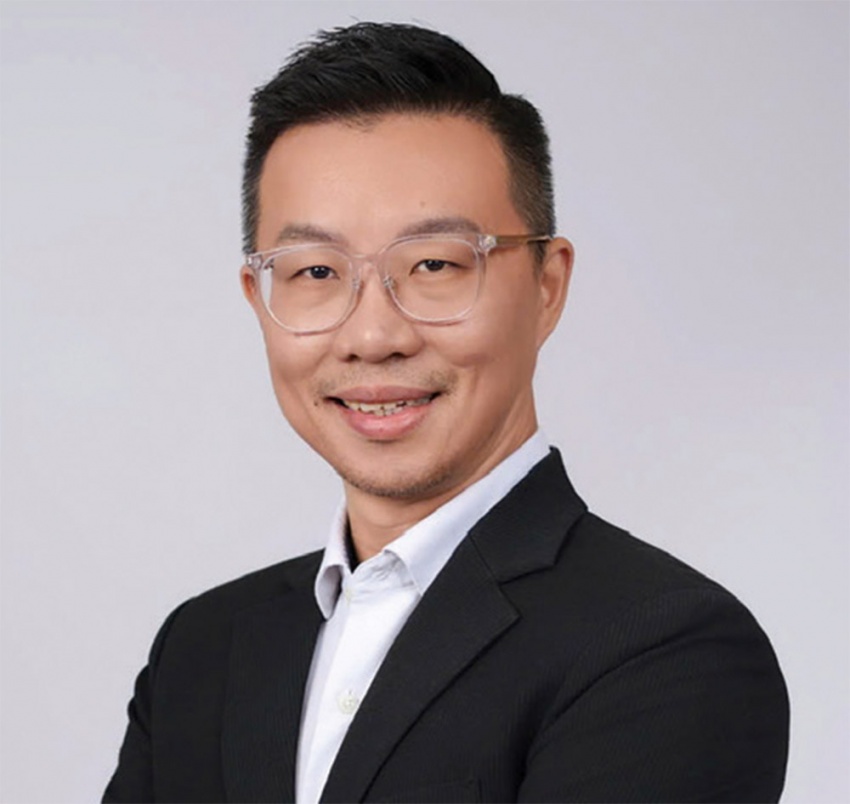 |
2025 was a year that tested adaptability across the market. Administrative restructuring and broader geopolitical developments introduced uncertainty, but they also accelerated the need for more agile and informed decision-making.
Our response focused on flexibility and relevance. We monitored how shifting policies, trade dynamics, and cost pressures were influencing market forces and customer priorities. This allowed us to provide timely insights and practical guidance, helping our clients adjust their operational strategies with greater confidence.
SLP prioritised flexible facility solutions that could accommodate changing production volumes, phased expansions, and evolving supply chain requirements. At the same time, we strategically redirected resources towards industries most affected by changes in the business environment, ensuring that our offerings remained aligned with real market demand.
Rather than reacting to uncertainty, we focused on staying close to our customers – understanding their constraints, timelines, and long-term objectives – and positioning ourselves as a partner that could help them navigate complexity, not just provide space.
The economic landscape is likely to remain challenging, shaped by geopolitical developments and shifting global trade patterns. These forces may lead to a more fragmented market environment, with businesses diversifying manufacturing and logistics rather than concentrating operations in limited locations.
For Vietnam, this fragmentation presents both opportunity and pressure. While continued diversification supports Vietnam’s role as a key destination for global supply chains, reduced concentration may also limit economies of scale, placing greater emphasis on efficiency, cost discipline, and operational resilience.
SLP is positioning itself for this environment by focusing on long-term fundamentals rather than short-term cycles. We are strengthening our ability to support customers who value scalability, continuity, and professional infrastructure, particularly those navigating multi-market strategies and phased investments.
In a more complex and diversified market, the role of industrial real estate is evolving. Beyond location and capacity, companies increasingly require partners who understand regulatory dynamics, operational risks, and the realities of execution. SLP’s strategy for 2026 is to continue bridging this gap, helping businesses translate macroeconomic trends into practical, on-the-ground solutions that support sustainable growth in Vietnam.
Huong nguyen, managing director BASF Coatings Vietnam
 |
Last year we acted swiftly following administrative reorganisation by integrating process simplification and increased automation of our systems with the updated set-up and regulations on VAT invoices and new addresses, among others.
Additionally, we strengthened our cross-unit collaboration and stakeholder dialogues with industry associations and government contacts, supporting resilience and faster issue resolution. All geared towards maintaining our service levels and ensuring business continuity for our customers.
Vietnam’s economic outlook reflects both resilience and cautionary optimism. Inflation, market uncertainty, and currency fluctuations are expected to remain key concerns, which means both consumers and businesses will likely stay cost conscious in their spending.
Nevertheless, we recognise that in 2025 Vietnam’s foreign investment numbers continued to show strong momentum.
Activities reflected in our own customer orders, spanning sectors such as construction and footwear, along with improving supply chain conditions, collectively point to a supportive baseline for Vietnam’s industrial performance. Sustained manufacturing demand and ongoing interest from regional value chains reinforce our confidence in industrial momentum heading into 2026.
To sustain growth and strengthen our competitiveness in 2026, we will continue to prioritise segments that align with Vietnam’s manufacturing upcycle, including construction, footwear, electronics and automotive industries, while leveraging our recent local wins and expanding participation in regional original equipment manufacturer projects.
At the same time, we will deepen cross-unit collaboration to accelerate customer response, enhance our value propositions, and reinforce BASF’s market reputation.
In parallel, we will further strengthen our supply chain by continuing our simplification process, automation, and issue response mechanisms that proved effective in 2025, ensuring greater resilience, efficiency, and service reliability in the year ahead.
Nguyen Lam Vinh Du, deputy general director KMS Technology Vietnam
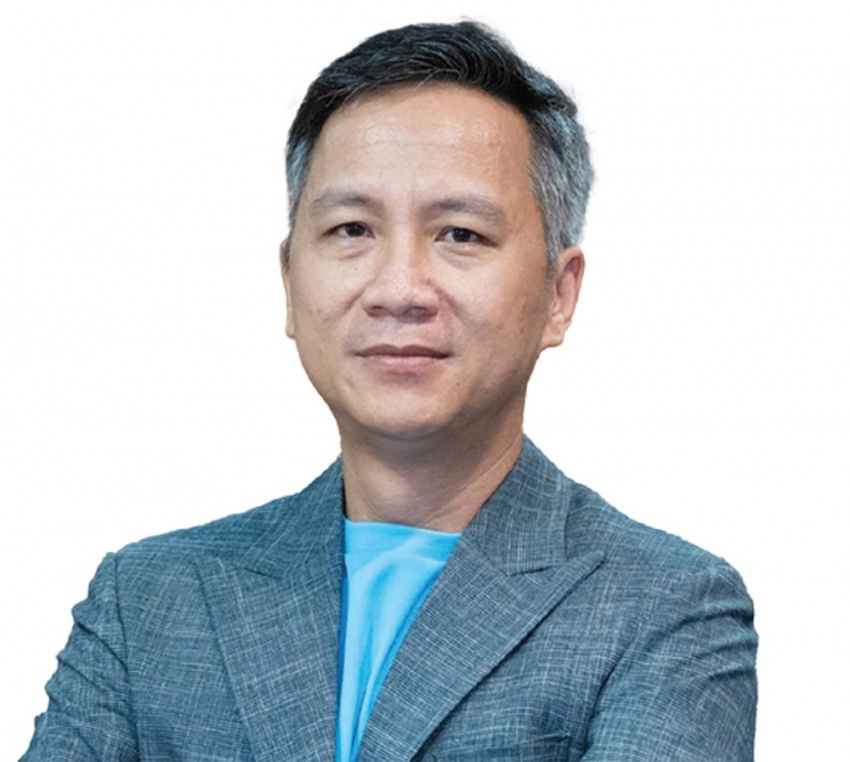 |
The administrative restructuring in 2025 created initial uncertainties around regulatory processes and approval timelines. We addressed this by strengthening our compliance and legal functions, ensuring we maintained direct relationships with relevant agencies during the transition period.
We also focused on what we could control: talent development, service quality, and client satisfaction. By maintaining transparent communication with both our US clients and our 1,100+ technology professionals in Vietnam, we created internal stability even as the external environment evolved. This experience reinforced that resilient businesses thrive by building strong fundamentals that can weather administrative transitions.
From our perspective as a technology services provider employing over 1,100 professionals, two policy adjustments would significantly enhance Vietnam’s competitive position.
First is to address tax incentive accessibility. While Vietnam offers various incentives for businesses, the requirements are often overly strict, and implementation suffers from inconsistent interpretations by local tax offices. Companies frequently find themselves ruled out from benefits not because they don’t meet the policy’s intent, but because of restrictive local interpretations or rigid application of requirements.
Making these frameworks less strict and ensuring more consistent interpretation would allow tax incentives to actually drive the investment and business growth they’re designed to encourage.
Second, modernise labour laws towards a more balanced employer-employee relationship. While employee protections are important, Vietnam’s current pro-employee framework creates rigidity that hampers business agility in the fast-moving technology sector. Moving towards more flexible employment arrangements would enable companies to adapt quickly to market changes while maintaining fair treatment standards. This balance is critical as Vietnam positions itself to compete for high-value technology services work.
Ywert Visser, country director Schippers Vietnam
 |
At Schippers Vietnam, 2025 was defined by our commitment to the local farming community. One of our most significant challenges was the Euro to VND exchange rate movement, which saw a difference of approximately 15-16 per cent compared to the end of 2024.
Despite the mounting pressure on costs, we made a strategic decision to maintain our prices. By absorbing these costs, we ensured that Vietnamese farmers could continue to access high-quality solutions at stable prices. We intend to carry this supportive approach into 2026, as we expect the exchange rate to stabilise.
The livestock sector, in which we operate, remains a bright spot in Vietnam’s fast-growing economy. In 2025, strong output prices for pork, beef, and poultry provided the necessary momentum for farmers to invest in new facilities and modernise production.
While challenges like African swine fever persist, the industry is becoming noticeably more professional every year. This professionalism is key to Vietnam remaining a prime destination for foreign investment. However, as we look towards 2026, addressing the availability of qualified labour will be crucial for maintaining this momentum.
A historic turning point arrived in January: the preventive use of antibiotics in livestock is no longer allowed in Vietnam. This major shift aligns perfectly with Schippers’ core mission. For the past four years in Vietnam, we have consistently advocated for preventing diseases before they start. Through our biosecurity solutions and a newly diversified product portfolio, we are excited to support farmers through this transition. Our goal is to improve farm profitability while simultaneously strengthening food safety for the Vietnamese people.
Lee Ark Boon, CEO, Sembcorp Development
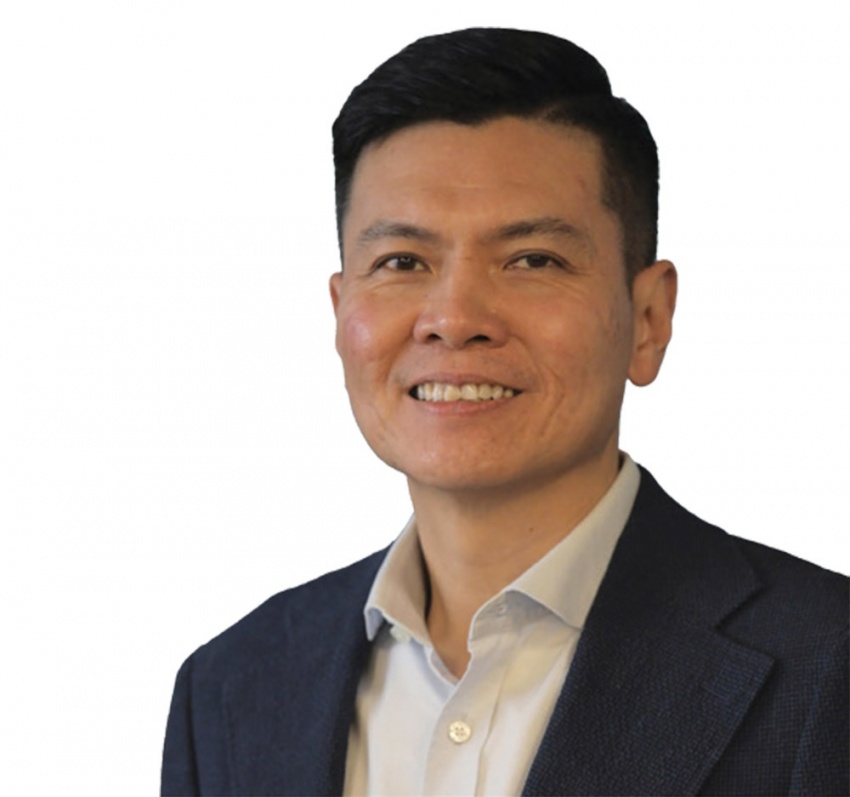 |
Vietnam entered 2026 with strong economic momentum and a demonstrated ability to adapt, reform and stay competitive amidst global shifts. Over the past several years, the country has strengthened its role in global manufacturing, deepened supply-chain integration and maintained investor confidence.
This foundation positions Vietnam well for its next phase of growth, characterised by higher-value industrialisation, enhanced infrastructure and a continued shift towards a more sustainable and high-value economic structure, in line with national development priorities.
Across the country, continued investment in transport networks, logistics corridors and digital infrastructure is unlocking new capacity for both industry and services. At the same time, the government’s commitment to administrative reform and clear, long-term development priorities provides the predictability that international investors value. These efforts reinforce Vietnam’s standing as one of the region’s most dynamic and future-ready investment destinations.
These structural shifts reaffirm our longstanding confidence in Vietnam and our responsibility as a strategic partner in its industrialisation journey. Through the Vietnam-Singapore Industrial Parks, we are advancing smart, integrated low-carbon industrial parks designed to support more sustainable and resilient manufacturing. We embed energy-efficient systems, enable renewable-energy adoption and deploy digitally enabled resource management to help manufacturers align operations with decarbonisation commitments.
Alongside park level decarbonisation, businesses increasingly prioritise speed to production and high quality industrial space. To meet these needs, we are expanding our portfolio of ready built facilities and warehouses built to green certified standards. These spaces shorten setup time, reduce capex burden and provide manufacturers with efficient operating environments.
At the same time, Vietnam’s accelerating digital transformation is driving demand for robust, reliable and energy-efficient data infrastructure. The rapid adoption of cloud technologies, AI enabled services and digital first business models is reshaping the country’s industrial landscape.
In response, we are working with leading technology and infrastructure partners to advance the development of next-generation data centre parks designed with scalability, operational reliability and green energy integration at their core. These facilities will play an essential role in supporting Vietnam’s digital ambitions while reinforcing its competitiveness in the regional digital economy.
By aligning our developments with government initiatives in transport, logistics and digital trade enablement, we aim to create a ready, future-proof industrial ecosystem that supports our tenants’ growth.
What the stars mean:
★ Poor ★ ★ Promising ★★★ Good ★★★★ Very good ★★★★★ Exceptional
 Tag:
Tag:Related Contents

Latest News



More News
- Strategic vision key to high-speed rail success in Vietnam (August 07, 2026 | 10:03)
- DSV backs Vietnam's push for more sustainable logistics (August 04, 2026 | 17:10)
- Roche Pharma Vietnam appoints new general manager, reinforcing commitment to Vietnam healthcare (July 23, 2026 | 15:41)
- Constant Energy on Vietnam solar power and policy hurdles (July 22, 2026 | 08:00)
- Key points when drafting a company charter to reduce disputes in Vietnam (July 20, 2026 | 08:00)
- AkzoNobel executive on sustainability as a manufacturing growth driver (July 10, 2026 | 14:53)
- LivWell expands holistic health ecosystem for businesses and communities in Vietnam (July 09, 2026 | 16:43)
- Thai beverage group sees Vietnam as long-term growth partner (July 02, 2026 | 08:30)
- AstraZeneca chief on Vietnam's healthcare financing shift (June 30, 2026 | 16:47)
- Vietnam emerges as one of VistaJet’s fastest-growing markets (June 18, 2026 | 16:21)







 Mobile Version