
Haiphong steps up supporting industry ecosystem efforts

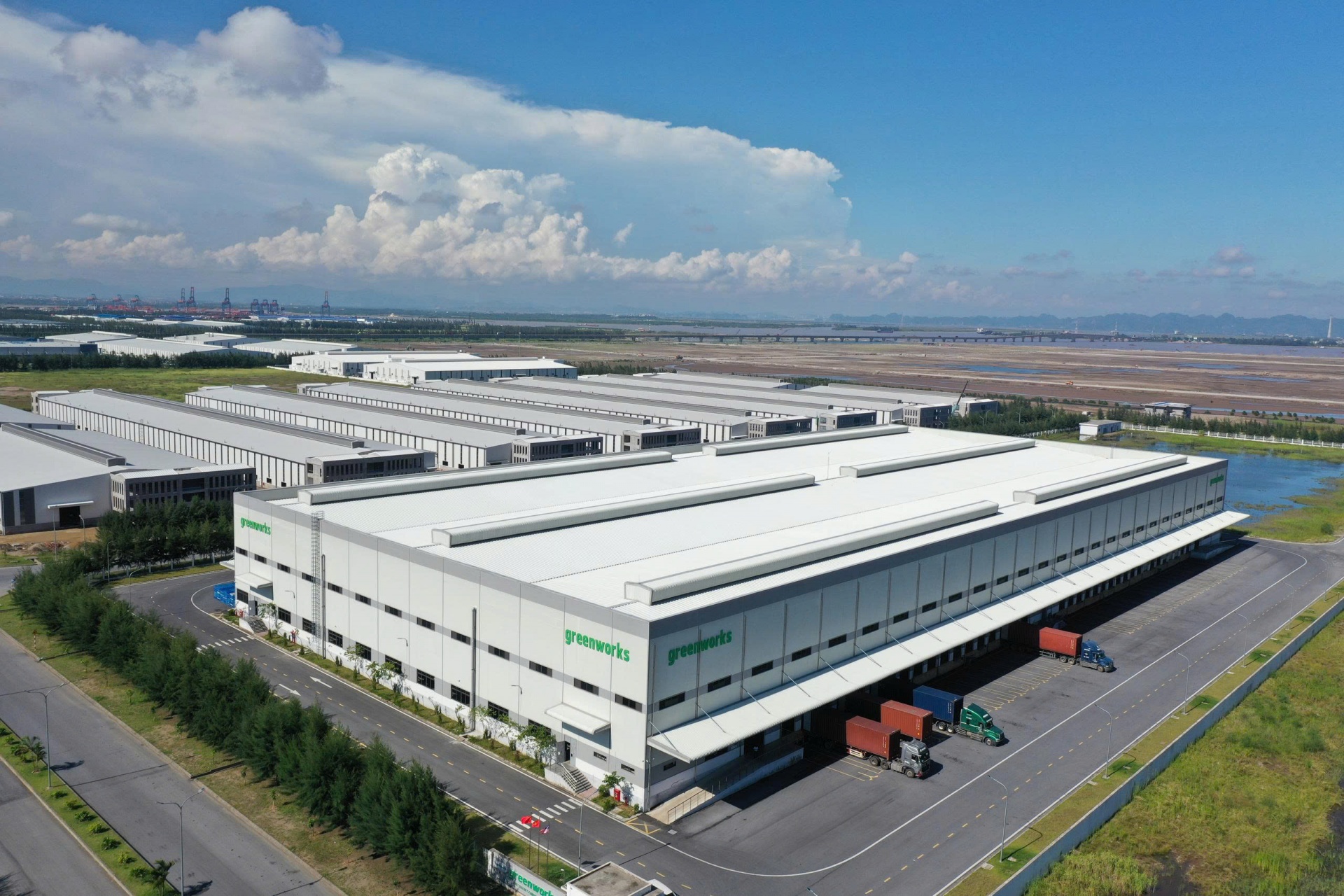 |
| Nam Dinh Vu Industrial Park – part of the Haiphong Free Trade Zone |
In 2025, the Haiphong economy reaffirmed its position as a national growth engine, with regional GDP growth reaching 11.81 per cent, ranking second nationwide and marking the 11th consecutive year of double-digit growth.
Foreign direct investment (FDI) in economic zones and industrial parks (IPs) reached $2.54 billion across 111 projects, while domestic direct funding totalled $13.94 billion across 54 ventures. Cumulatively, Haiphong’s economic zones and IPs host 1,034 foreign-backed schemes with registered capital of $43 billion and 372 domestic projects with total capital of $20.75 billion.
Notably, Haiphong’s economic growth is reflected not only in scale but also in a clear orientation towards selective development, focusing on sectors that generate high added value. The manufacturing and processing industry continue to serve as the main growth driver, accounting for 44.4 per cent of regional GDP, posting growth of 15.93 per cent and contributing 7.48 percentage points to the city’s overall economic growth.
Within this sector, many high-tech and key industries remain bright spots, helping enhance the value and competitiveness of Haiphong’s economy. These results clearly demonstrate a positive shift in the economic structure, in line with the city’s orientation towards improving growth quality.
Alongside investment attraction, planning and development of economic space have continued to be implemented in a coordinated manner. In 2025, the city established 12 new IPs, bringing the total to 43 parks. The average occupancy rate reached around 50 per cent, with average density of $13 million per hectare.
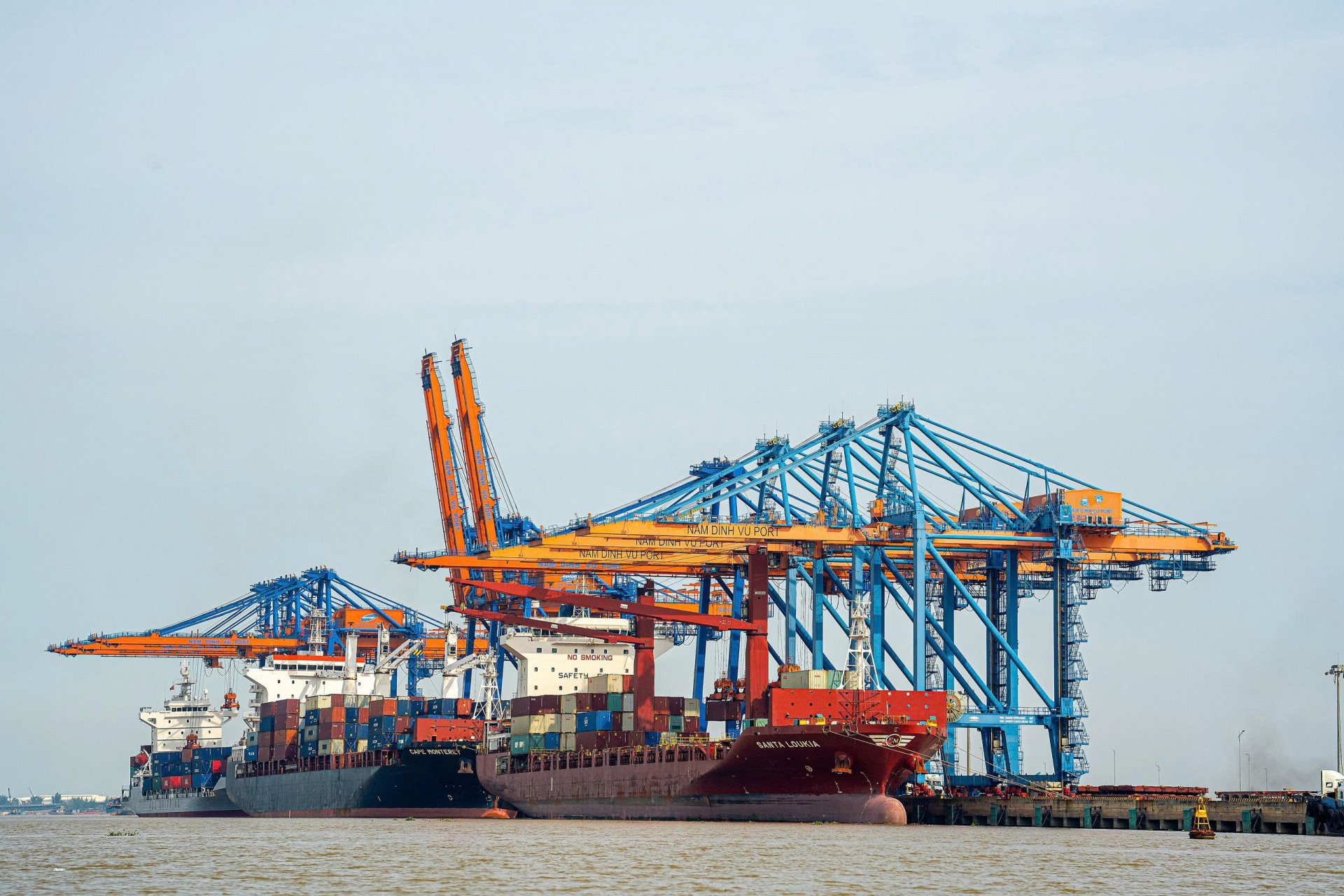 |
| Nam Dinh Vu International Inland Port |
Haiphong has obtained approval for adjustments to the master plan for Dinh Vu-Cat Hai Economic Zone through 2045; initiated planning tasks for the Southern Coastal Economic Zone through 2050; and established the Haiphong Free Trade Zone. These are regarded as critical foundations for the locality to move with renewed momentum and broader development space.
Leaders say that Haiphong is facing the need to choose a more systematic and long-term development path, shifting from extensive investment attraction to selective development, and from scale-based growth to improving the quality of growth.
This orientation has been institutionalised through the approved city master plan for the 2021–2030 period, with a vision to 2050. Under the plan, Haiphong aims to build a modern, civilised, ecological and liveable industrial port city of regional stature; with industry, the marine economy and logistics as key pillars, while gradually transitioning to a growth model based on quality, efficiency, and innovation. This provides the framework for the city to screen growth drivers, prioritise high value added industries with advanced technologies, strictly control environmental impacts, and reorganise development space.
Improving the quality of growth is not only intended to maintain Haiphong’s role as a key growth pole, but also to achieve balanced development among the economy, the environment, and quality of life.
A competitive ecosystem
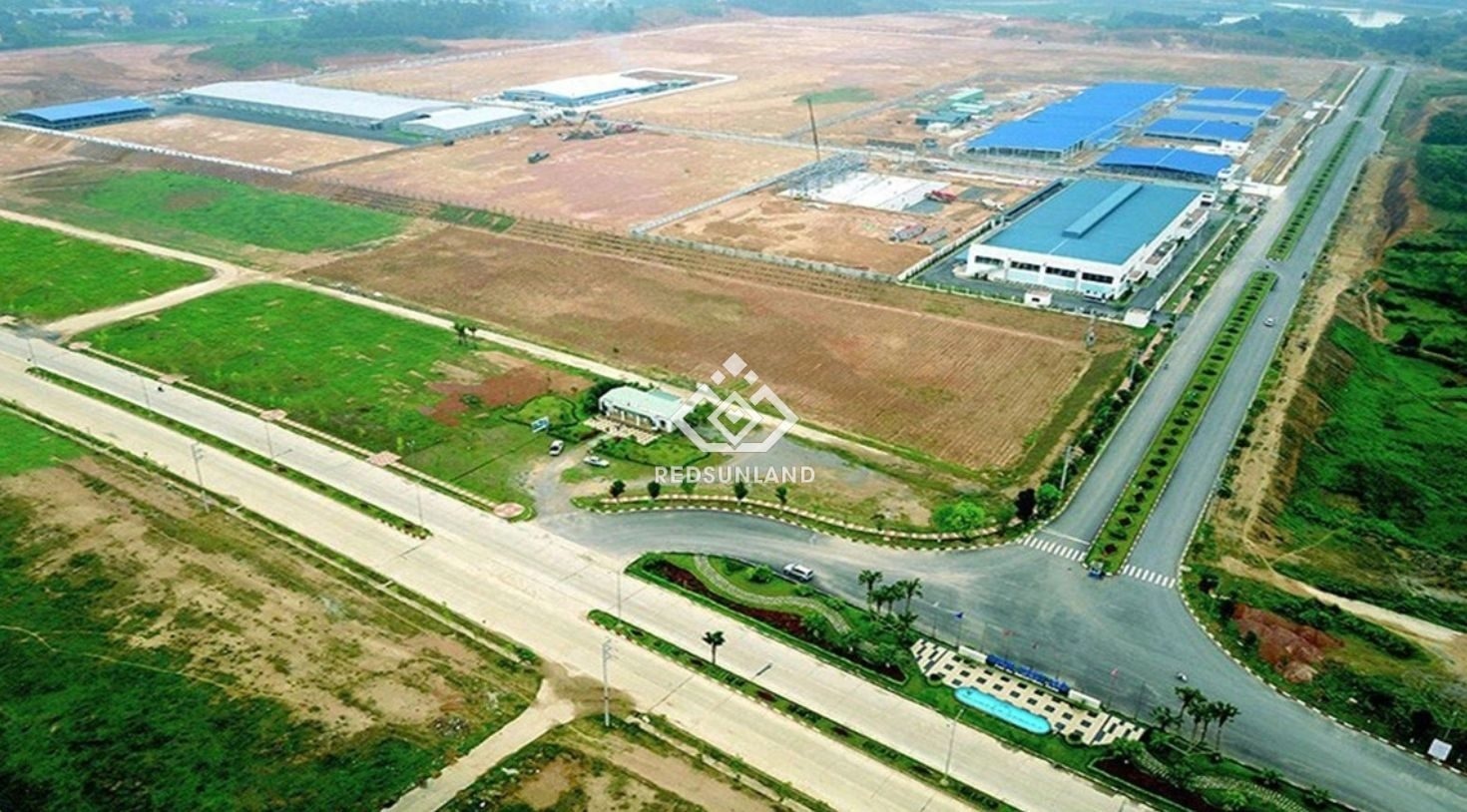
Haiphong also boasts numerous IPs with modern and well-developed infrastructure, such as Nam Dinh Vu, Trang Due, DEEP C and Vietnam-Singapore IPs, which continue to attract new projects and provide an important foundation for supporting industry development.
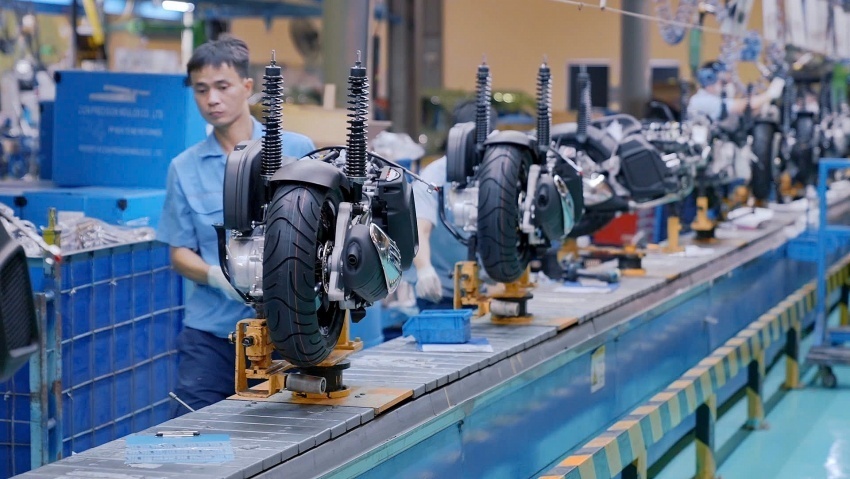
Strengthening links between Vietnamese enterprises and foreign-companies is viewed as a key solution to forming a competitive supporting industry ecosystem in Haiphong.
"However, despite many advantages, Haiphong’s supporting industry ecosystem has yet to develop in line with its potential, particularly in terms of links between domestic enterprises and foreign companies. Localisation rates across many value chains remain low, while the scale and capabilities of domestic supporting industry firms are still limited," said Nguyen Thanh Phuong, CEO of Sao Do Group.
“Although there are large foreign manufacturing plants, many components and materials still have to be imported due to the lack of qualified domestic suppliers. In addition, local suppliers typically only meet low-value orders or provide tier 3-4 components, while tier 1-2 suppliers with sufficient scale and international standards remain limited,” Phuong added.
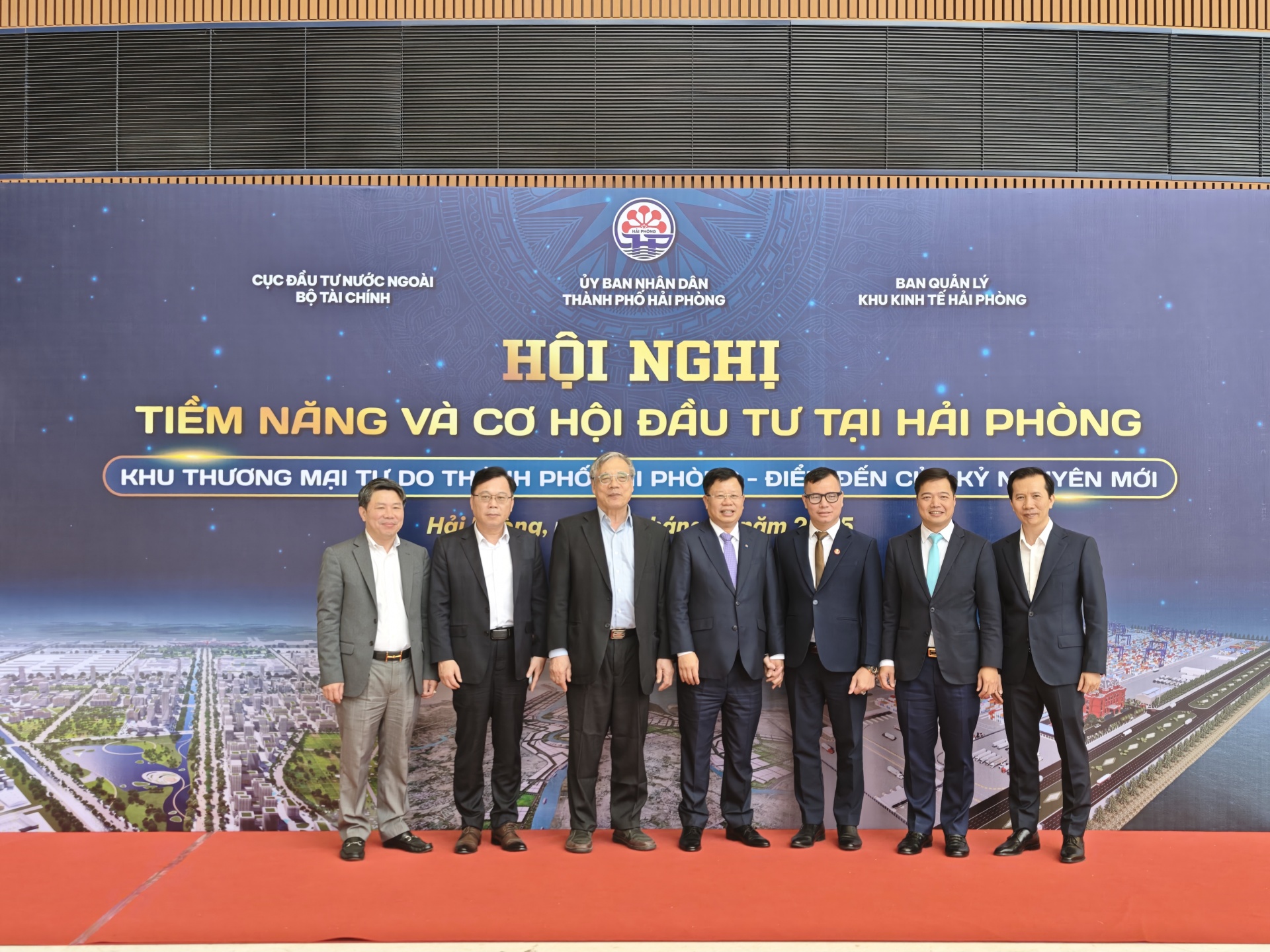 |
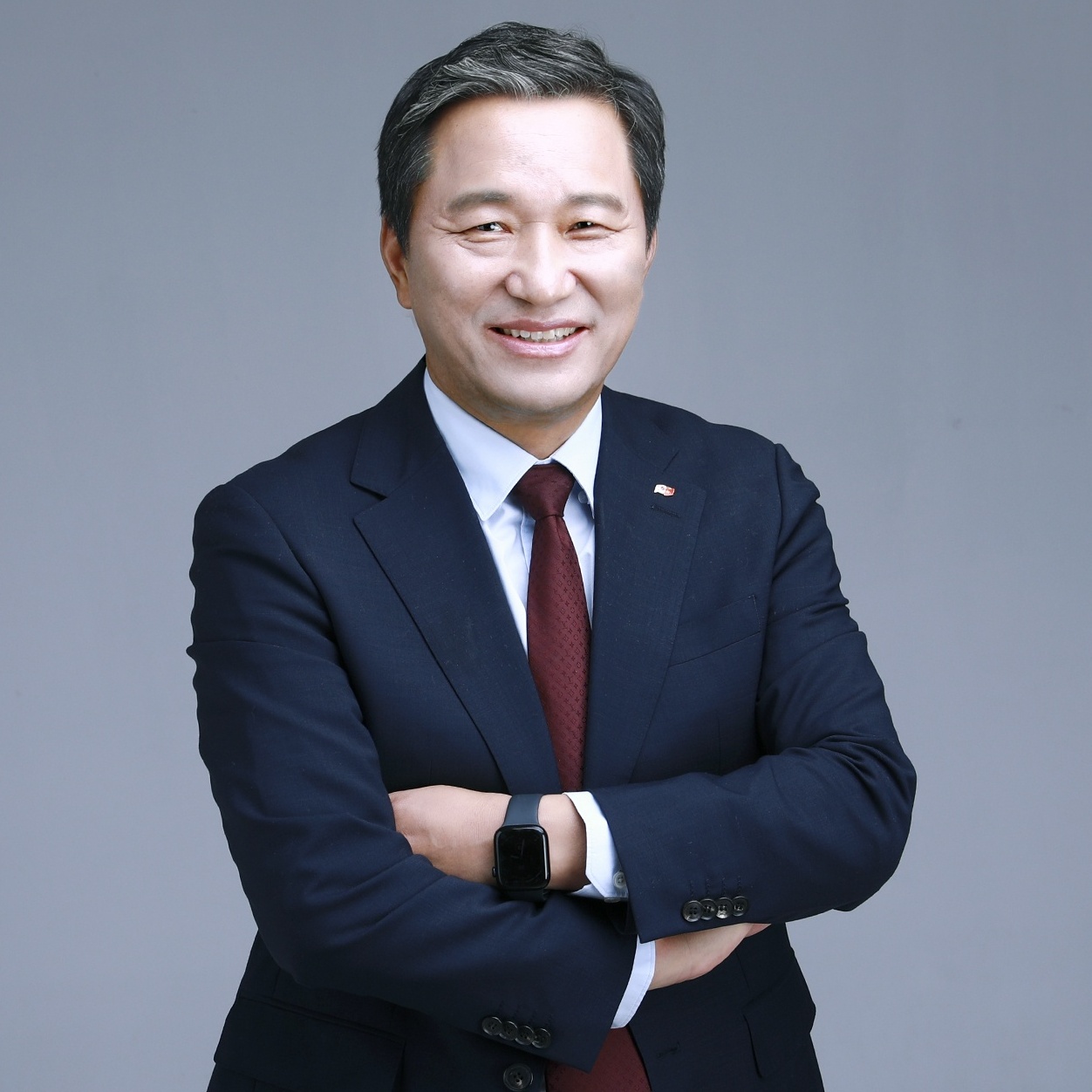
| Nguyen Thanh Phuong, CEO of Sao Do Group (right) at the Conference on Investment Potential and Opportunities in Haiphong |
To promote stronger links between Vietnamese enterprises and global supply chains, Phuong proposed four groups of solutions.
First, in terms of policies and mechanisms, Haiphong could develop incentive schemes for foreign-invested projects with localisation commitments, such as tax and land incentives for projects with high localisation rates or strong research and development (R&D) commitments, while prioritising projects that help form domestic supply chains. At the same time, seed capital funds should be established to support small and medium-sized enterprises in upgrading their technologies.
"Second, Haiphong needs to implement capability building programmes in cooperation with major corporations to conduct supplier assessment and training initiatives. At the same time, supporting industry enterprises in Haiphong should be assisted in obtaining international quality management certifications, thereby increasing localisation rates," Phuong said.
Third, regarding supply chain connectivity, a supplier database should be developed to enable foreign investors to easily identify potential local partners. This is a low cost but highly effective solution that helps shorten supplier selection timelines. In addition, the Haiphong FDI–Supplier Forum should be organised on a regular annual basis, accompanied by the publication of component demand lists from foreign-led projects.
Finally, in terms of building an innovation ecosystem, Phuong proposed inviting major corporations to participate in establishing supplier testing and evaluation centres.
"At the same time, local R&D activities should be encouraged by attracting overseas funding to establish R&D centres or regional hubs – LG, along with various Korean and Japanese investors, has already set up centres and manufacturing facilities in the area. Promoting R&D will help enhance technology transfer and create demand for local suppliers," he explained.
It is also necessary to establish a monitoring indicator system, including localisation rates by industry, the number of supporting industry enterprises obtaining international certifications, export values of products manufactured by domestic suppliers, and the number of foreign-led projects with localisation commitments.
 | Haiphong FTZ: expectations from a pilot model to an economic driving force The implementation of a free trade zone (FTZ) is expected to create a breakthrough in operational mechanisms, enhance competitiveness, and open up new development opportunities for Haiphong. VIR's Son Dzung spoke with Koen Soenens, Sales, Marketing & Customer Services director at DEEP C IZ, about the significance of the FTZ model to Haiphong's development. |
 | Six localities record double-digit growth as regional performance diverges in 2025 Vietnam's economy maintained strong momentum in 2025, but regional GDP growth varied widely, with six localities exceeding 10 per cent while several others lagged behind the national average. |
 | CEO Group breaks ground on first industrial park in Haiphong Free Trade Zone Amid Vietnam’s strong shift from attracting investment by quantity to selecting and guiding capital flows based on quality, on January 15, CEO Group officially broke ground on Tien Lang Airport Industrial Park – Zone B (CEOZone Haiphong) project in Chan Hung commune, Haiphong city. |
By
What the stars mean:
★ Poor ★ ★ Promising ★★★ Good ★★★★ Very good ★★★★★ Exceptional
 Tag:
Tag:Related Contents


Latest News


More News
- Vietnam pledges transparent tax and customs policies for South Korean businesses (October 23, 2026 | 10:08)
- KUKA Vietnam inaugurates new Hanoi headquarters (October 22, 2026 | 09:00)
- OJI Group invests in $110 million aseptic carton packaging plant in Vietnam (October 22, 2026 | 08:23)
- EVN begins construction on the Quang Trach II LNG plant (October 22, 2026 | 07:00)
- Foreign investors pour billions into Vietnam's semiconductor sector (October 21, 2026 | 14:49)
- Hyosung TNC begins bio-BDO production in Vietnam (October 21, 2026 | 12:12)
- Ho Chi Minh City to unveil new projects worth $13.5 billion at AEF 2026 (October 21, 2026 | 11:51)
- Market upgrade is just the beginning: Vietnamese companies face tougher test to attract capital (October 20, 2026 | 16:04)
- EFTA–Vietnam Free Trade Agreement opens up opportunities to enhance supply chain (October 20, 2026 | 15:56)
- Dong Thap province steps up industrial expansion and infrastructure connectivity (October 19, 2026 | 08:56)







 Mobile Version