
Haiphong gains new growth impetus from strategic planning and integrated infrastructure

With a wave of major infrastructure, logistics and planning initiatives, Haiphong is entering a pivotal transformation phase, reinforcing its role in regional and international supply chains alongside Hanoi and Ho Chi Minh City.
 |
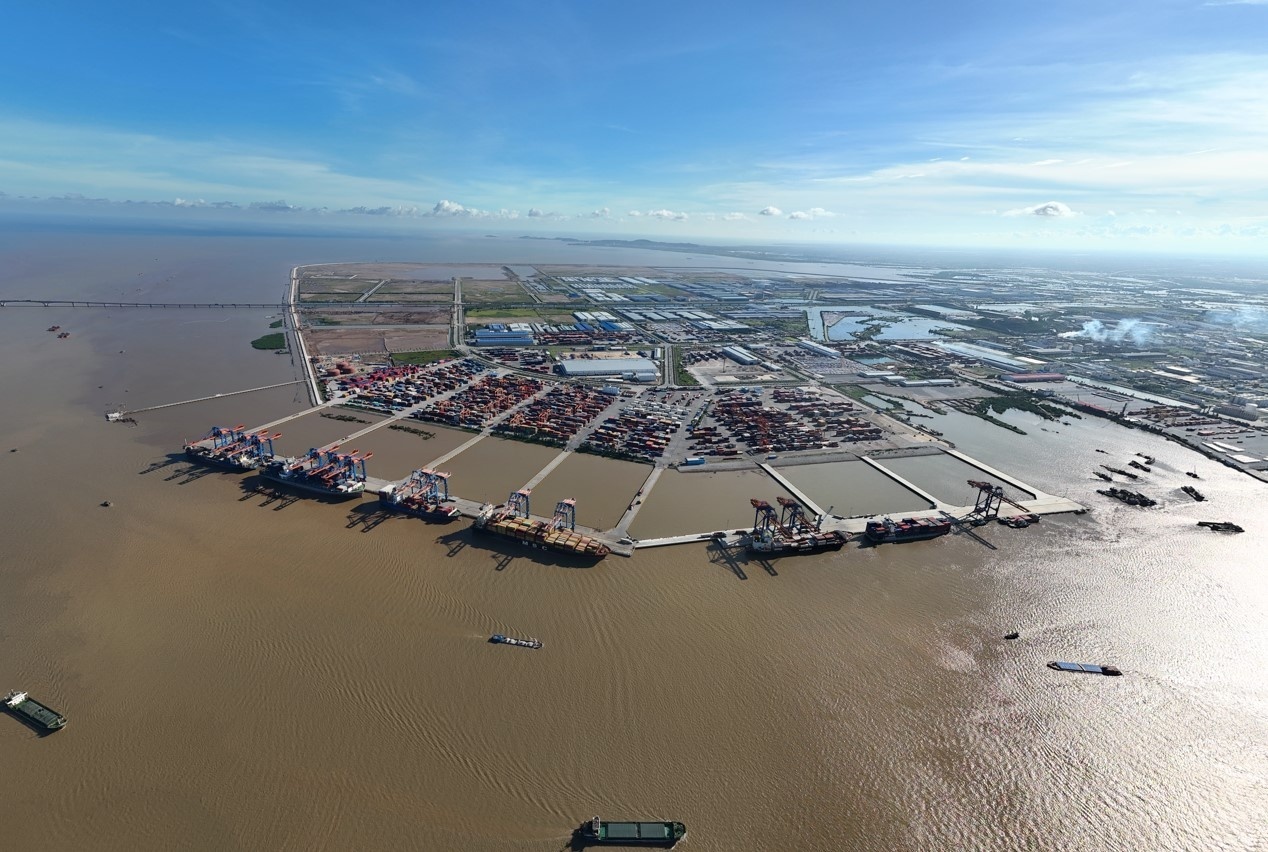
| Haiphong aims for a growth rate of 13 per cent and beyond in 2026. |
In October 2025, the city was approved the pilot of a 6,292-hectare Free Trade Zone (FTZ) spanning the Dinh Vu-Cat Hai and South Haiphong economic zones. The FTZ offers incentives on taxes, fees and high-quality human resources, drawing on successful international models such as Dubai and Shenzhen.
Leveraging its strategic location and deep-water seaport capacity, Haiphong is well positioned to lead a new-generation FTZ model.
The zone is envisioned as a magnet for next-generation foreign direct investment (FDI), prioritising high value-added sectors including international finance, cross-border e-commerce, multimodal logistics and supply chain coordination. The city considers the FTZ a strategic growth engine aligned with the Politburo Resolution No.45-NQ/TW.
 |
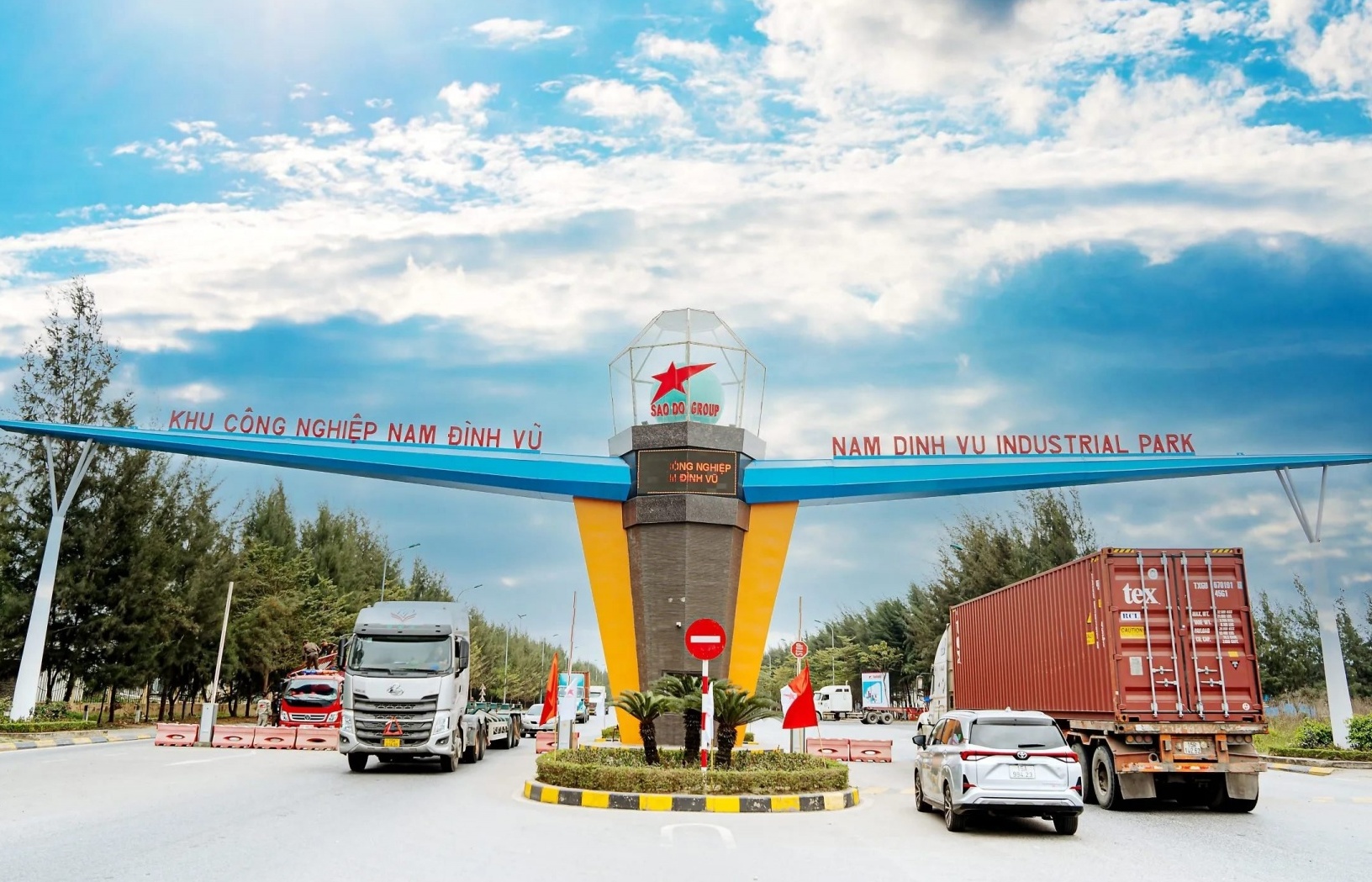
| Nam Dinh Vu Industrial Park serves as a core hub for logistics and import–export activities |
Nguyen Thanh Phuong, CEO of Sao Do Group, a major developer in the northern region, said Nam Dinh Vu Industrial Park was designated as Location No. 2 in the Haiphong FTZ master plan within Dinh Vu-Cat Hai Economic Zone, serving as a core nucleus for manufacturing, logistics and import-export activities.
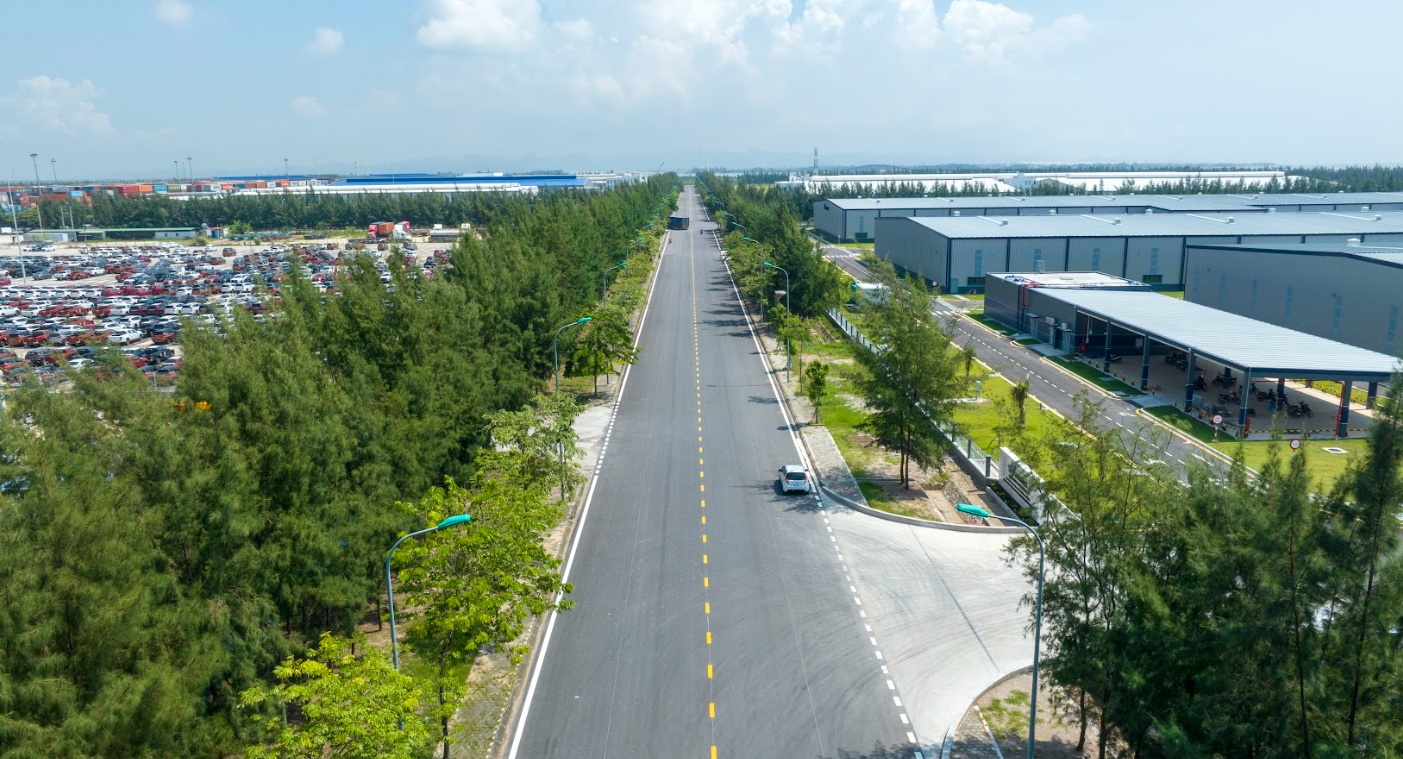
With comprehensive tax incentives, synchronised infrastructure and direct seaport connectivity, the park is positioned to attract high-quality FDI and encourage green, smart industry, reinforcing its role in Haiphong’s development strategy.
Complementing the FTZ, construction has commenced on the $8 billion Haiphong-Hanoi-Lao Cai-Yunnan (China) railway, forming a strategic logistics corridor enabling goods from northern Vietnam, southwestern China and ASEAN to access Lach Huyen deep-sea port.
At the same time, Cat Bi International Airport is slated for expansion in 2026-2030, increasing capacity to 13 million passengers – 3.5 times the current level – adding international routes and completing an integrated ‘three-in-one’ trade corridor linking aviation, rail and seaports.
This integrated network establishes an international ‘circular flow’: goods from China and ASEAN transported by rail, consolidated and processed within the FTZ, and exported via Lach Huyen Port, while key personnel travel by air to coordinate operations, forming a sustainable trade-logistics command hub within global supply chains.
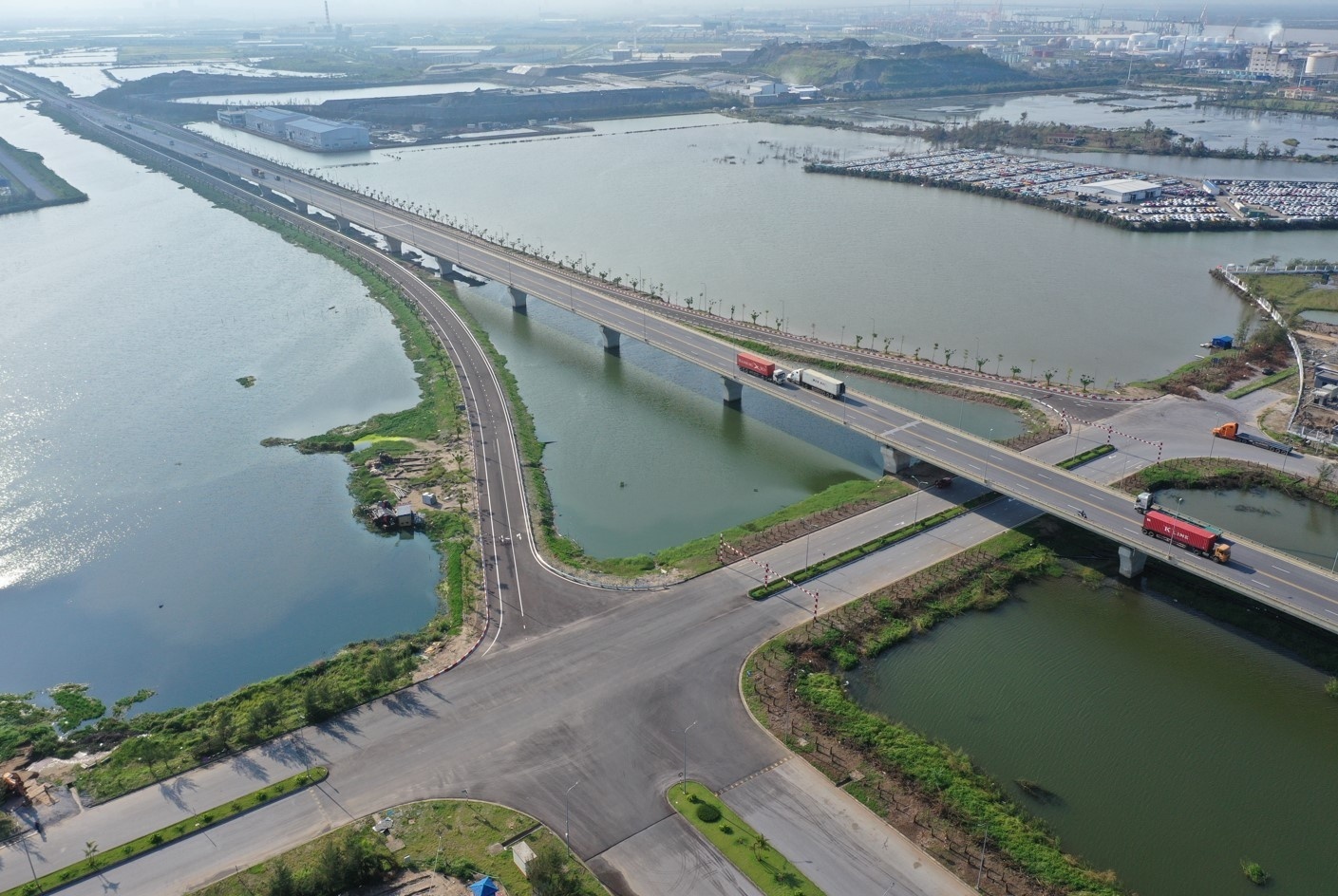
Of 48 priority investment projects, 16 are allocated to transport infrastructure, reflecting a clear eastward development orientation. Regionally, strategic connections are advancing, including the Ninh Binh–Haiphong expressway, the Lach Huyen Port-Gia Binh Airport connector (linking to northern Vietnam’s largest airport in Bac Ninh province), and expanded Hanoi-Haiphong-Quang Ninh corridors.
Within the city, ring roads 2 and 3 are scheduled for completion, alongside new east-west radial routes. Notably, the 23-km extension of Bui Vien Road will create the first inter-provincial beltway between Haiphong and post-merger Hai Duong, bringing the total route length to 43 km.
Dong Hai ward is emerging as a new focal point, given its proximity to Cat Bi Airport, inclusion within parts of Dinh Vu-Cat Hai Economic Zone and FTZ, and the presence of Dinh Vu and Nam Dinh Vu railway stations on the Hanoi-Haiphong-Lao Cai line. It also functions as the gateway linking the inner city to Lach Huyen Port.
 |
| Nam Dinh Vu International Port handles vessels of up to 50,000 DWT |
Nam Dinh Vu Industrial Park stands out for its fully integrated five-mode transport network – road, rail, sea, air and inland waterways – enabling flexible logistics and reducing time and costs.
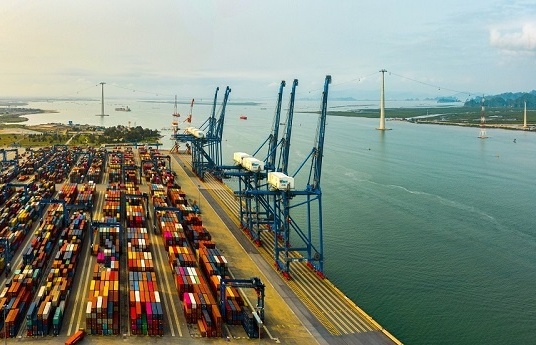
Its internal Nam Dinh Vu Port, comprising seven container berths capable of accommodating vessels up to 50,000 DWT, enhances import-export efficiency while lowering logistics expenses for enterprises.
As one of Haiphong’s pioneers in digital transformation, the port has significantly improved loading productivity, vessel turnaround times and equipment utilisation, reducing operating costs and enhancing transparency and reliability.
The port’s performance contributed to Haiphong’s total cargo throughput surpassing 115 million tonnes in 2025. From its seaport system, 30 international shipping routes connect Asia, the Americas and Australia, operated in partnership with global shipping lines and logistics companies. Haiphong is steadily consolidating its status as northern Vietnam’s principal international trade gateway.
Looking ahead, Sao Do Group’s CEO Nguyen Thanh Phuong emphasised that Nam Dinh Vu Industrial Park will evolve into an integrated model linking industrial parks, the FTZ, seaports and logistics services, offering synchronised infrastructure and an open investment environment to attract high-quality capital.
Home to 4.66 million residents, Haiphong – supported by industrial capacity, expanding seaport throughput and strong development catalysts – is increasingly assuming the role of an international-scale trade, logistics and industrial hub in northern Vietnam. The city targets economic growth of 13 per cent or higher in 2026.
Le Ngoc Chau, Chairman of Haiphong People’s Committee, stated that the city is aiming to become a leading economic centre of Vietnam and a strategic regional and global trade gateway – a major seaport city at the forefront of industrialisation, digital transformation, green transition and innovation.
“Haiphong will prioritise key sectors including logistics, seaport services, tourism, education, and sci-tech, striving to build a comprehensive, sustainable and livable city,” he said.
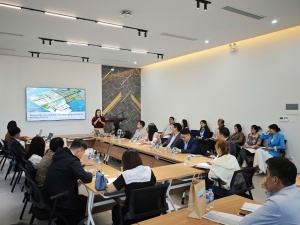 | Developing a green, circular, and low-emission IP model in Haiphong Sao Do Group has pioneered the development of an eco-industrial park strategic framework for Nam Dinh Vu Industrial Park (IP) to implement environmental protection activities and promote resource sharing and sustainable development among businesses in the park. |
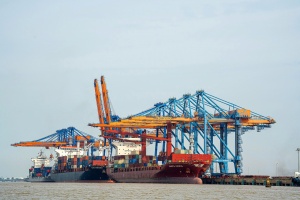 | Haiphong steps up supporting industry ecosystem efforts Haiphong is shifting towards intensive development, high technology, and green industry to enhance substantive value creation. |
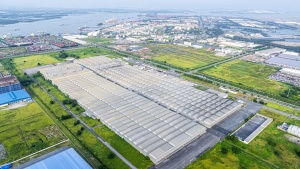 | Haiphong welcomes long-term Euro investment With a strategic focus on green development and a rapidly strengthening network of seaports, logistics, and industrial zones, Haiphong city is well positioned to attract a new wave of European investment. Bruno Jaspaert, CEO of DEEP C Industrial Zones, spoke with VIR’s Son Dzung about this evolving landscape |
What the stars mean:
★ Poor ★ ★ Promising ★★★ Good ★★★★ Very good ★★★★★ Exceptional
 Tag:
Tag:
Related Contents

Latest News



More News
- Vietnam pledges transparent tax and customs policies for South Korean businesses (October 23, 2026 | 10:08)
- KUKA Vietnam inaugurates new Hanoi headquarters (October 22, 2026 | 09:00)
- OJI Group invests in $110 million aseptic carton packaging plant in Vietnam (October 22, 2026 | 08:23)
- EVN begins construction on the Quang Trach II LNG plant (October 22, 2026 | 07:00)
- Foreign investors pour billions into Vietnam's semiconductor sector (October 21, 2026 | 14:49)
- Hyosung TNC begins bio-BDO production in Vietnam (October 21, 2026 | 12:12)
- Ho Chi Minh City to unveil new projects worth $13.5 billion at AEF 2026 (October 21, 2026 | 11:51)
- Market upgrade is just the beginning: Vietnamese companies face tougher test to attract capital (October 20, 2026 | 16:04)
- EFTA–Vietnam Free Trade Agreement opens up opportunities to enhance supply chain (October 20, 2026 | 15:56)
- Dong Thap province steps up industrial expansion and infrastructure connectivity (October 19, 2026 | 08:56)







 Mobile Version