
FAO head backs biotech to ensure global food security


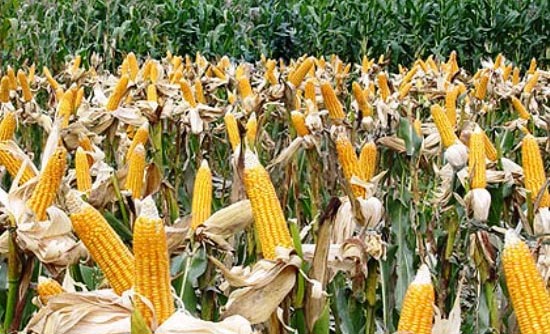
illustration photo
José Graziano da Silva said, “Policy makers should support a broad array of approaches to overhauling global food systems, making them healthier and more sustainable”. He went on to say that "we cannot rely on an input intensive model to increase production and that the solutions of the past have shown their limits."
Graziano da Silva’s opening remarks to the session called for a “paradigm shift”. He said that today's main challenges are to lower the use of agricultural inputs, especially water and chemicals, in order to put agriculture, forestry and fisheries on a more sustainable and productive long-term path.
Specifically, he suggested options such as Agro-ecology and climate-smart agriculture, as well as biotechnology and the use of genetically-modified organisms. He warned the session attendees that food production needs to grow by 60 percent by 2050 to meet the expected demand from a projected population estimate of 9 billion people. "We need to explore these alternatives using an inclusive approach based on science and evidence, not on ideologies". He did, however, temper these remarks by stipulating that “local characteristics and context," must be respected.
Graziano da Silva also asked the COAG, which will conclude its biannual meeting on October 3, to consider the importance of family farming in all aspects of its agenda.
The COAG meets every two years. Central themes being discussed this week are water governance, livestock diseases, in particular replicating the successful eradication of Rinderpeste on the Peste des Petits Ruminants, soil management and food safety.
| Experts urge GMOs be removed from banned list Some local experts have suggested that genetically-modified crops be removed from the list of banned products in the revised Law on Investment. |
What the stars mean:
★ Poor ★ ★ Promising ★★★ Good ★★★★ Very good ★★★★★ Exceptional
Latest News


More News
- Russian President congratulates Vietnamese Party leader during phone talks (January 25, 2026 | 09:58)
- Worldwide congratulations underscore confidence in Vietnam’s 14th Party Congress (January 23, 2026 | 09:02)
- Political parties, organisations, int’l friends send congratulations to 14th National Party Congress (January 22, 2026 | 09:33)
- 14th National Party Congress: Japanese media highlight Vietnam’s growth targets (January 21, 2026 | 09:46)
- 14th National Party Congress: Driving force for Vietnam to continue renewal, innovation, breakthroughs (January 21, 2026 | 09:42)
- Vietnam remains spiritual support for progressive forces: Colombian party leader (January 21, 2026 | 08:00)
- Int'l media provides large coverage of 14th National Party Congress's first working day (January 20, 2026 | 09:09)
- Vietnamese firms win top honours at ASEAN Digital Awards (January 16, 2026 | 16:45)
- ASEAN Digital Ministers' Meeting opens in Hanoi (January 15, 2026 | 15:33)
- ASEAN economies move up the global chip value chain (December 09, 2025 | 13:32)







 Mobile Version