
Businesses develop strategies to penetrate Halal market

According to Ta Xuan Hien, vice chairman of the Vietnam Business Council in the UAE, obtaining Halal certification across the entire value chain is a prerequisite and mandatory requirement for businesses.
 |
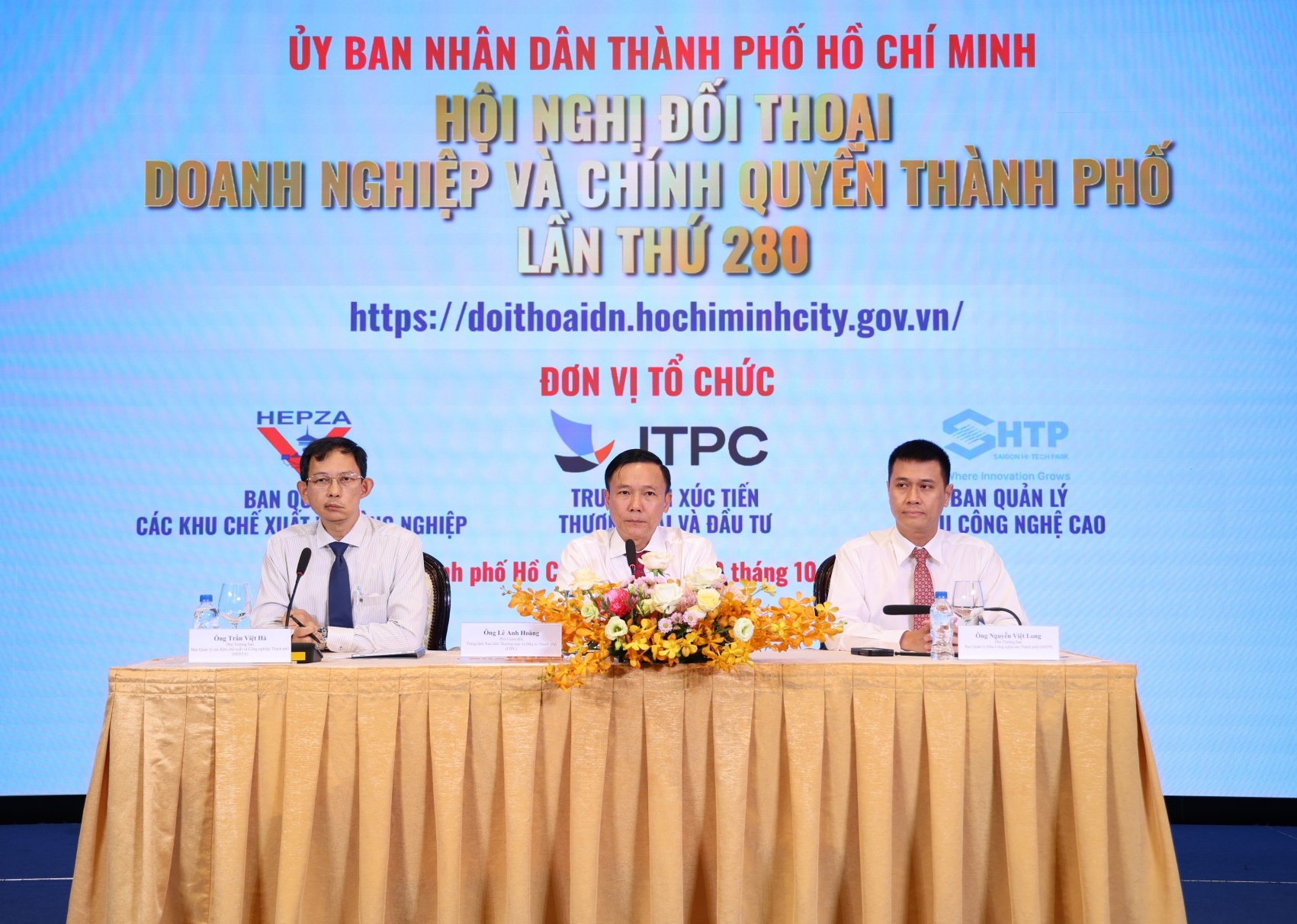
“In terms of strategic direction, businesses are advised to choose the UAE as an entry point, viewing it as an important transit gateway to gradually expand into all six countries of the Gulf Cooperation Council. Instead of expecting to sell directly to final consumers, businesses need to build a systematic approach through a network of importers and local distribution systems, thereby overcoming limitations in brand recognition and establishing a strong position,” Hien said at the seminar, hosted in Ho Chi Minh City.
Ly Kim Chi, president of the Food and Foodstuff Association, shared that the Halal market is considered one of the fastest-growing sectors, with a large scale and increasingly high demands for standards, quality, and transparency in the supply chain.
“To further participate in the global Halal value chain, Vietnamese businesses need comprehensive preparation, from raising awareness of Halal standards and investing in production processes to building brands with high competitiveness,” Chi said.
Dinh Cong Tuan, chief representative of Dubai Chamber Vietnam, cited that despite economic fluctuations, Dubai maintained impressive growth with a GDP increase of 4.7 per cent in the first three quarters of 2025 and rose to the top globally in attracting foreign direct investment with more than 640 projects worth $11 billion in the first half of 2025 alone.
“Through the Dubai Economic Agenda and its continuously expanding international network, including a presence in Ho Chi Minh City, Dubai is committed to providing a favourable investment environment and is ready to be a bridge helping Vietnamese businesses branch out globally,” Tuan said.
Truong Xuan Trung, head of the Vietnamese Trade Office in the UAE, noted that the global Halal economy currently stands at $5 trillion and is expected to double by 2028. The Middle East is a key market, accounting for 62.5 per cent of the global Halal market share, projected to reach $380 billion by 2030, with a base of 500 million Muslim consumers.
“Notably, this region currently imports 85-90 per cent of its food and agricultural products. However, to realise these opportunities, the Vietnamese Trade Office in the UAE recommends that businesses need to urgently standardise 'Halal Passports', design localised packaging with bilingual labels, and actively utilise e-commerce platforms, which currently account for over 80 per cent of Halal consumer goods transactions in the region,” Trung said.
Nguyen Thi Ngoc Hang, marketing director of the Halal Certification Agency Vietnam, assessed ASEAN as a "strategic springboard" with a large market size, where the Muslim community accounts for more than 40 per cent of the population. Regarding exports to the Indonesian market, she specifically notified other businesses of the mandatory Halal certification requirement for all imported food and beverage products.
"Therefore, relevant entities to promptly complete the registration procedures before October to ensure legal conditions for circulating Vietnamese goods in this market,” Hang said.
According to Ho Chi Minh City Investment and Trade Promotion Centre, the Halal market is currently growing strongly and increasingly asserting its important role in global trade. With a global market value exceeding $2 trillion, Halal is no longer a niche market but has become a pillar of international trade.
However, currently only about 0.2 per cent of Vietnamese businesses have certified Halal products. Therefore, to effectively exploit this market, businesses need thorough preparation regarding standards, the certification process, and appropriate market access strategies.
 | Vietnam aims to become global halal food supplier Experts believe that Vietnam has the potential to become a key player in the global halal supply chain. |
 | Vietnam pepper exports reclaim billion-dollar mark after a decade Vietnam's pepper sector is enjoying rising prices and a return to billion-dollar exports, prompting industry-wide efforts to boost sustainable production and explore new market opportunities. |
 | Unlocking Halal markets for Vietnamese exports The global Halal market, worth trillions of US dollars, is facing a critical supply shortage, creating a unique window of opportunity for Vietnamese exports. |
What the stars mean:
★ Poor ★ ★ Promising ★★★ Good ★★★★ Very good ★★★★★ Exceptional
 Tag:
Tag:
Related Contents





Latest News





More News
- Sojitz in Vietnam: 40 years from individual projects to a business cluster 'KATAMARI' (October 08, 2026 | 09:00)
- Coteccons targets 'Quality Growth' with 25 per cent dividend plan (October 07, 2026 | 13:00)
- Vietnam Education Forum opens UK Education Mission's Hanoi visit (October 07, 2026 | 12:27)
- Tax authorities deactivate TINs of nearly 180,000 businesses (October 07, 2026 | 12:08)
- World Bank raises Vietnam's 2026 GDP growth forecast to 7.4 per cent (October 07, 2026 | 11:41)
- Vietstock 2026 to spotlight livestock innovation and green transition (October 07, 2026 | 09:00)
- Vietnam’s GDP grows over 9 per cent in first nine months (October 05, 2026 | 18:45)
- Vietnam earns $56.3 billion from agro-forestry-fishery exports (October 05, 2026 | 18:32)
- DSV balances resilience and decarbonisation in supply chains (October 05, 2026 | 18:20)
- Electronics exports reach $175.4 billion in the first nine months (October 05, 2026 | 18:12)



Latest News





 Mobile Version