
SMEs may use digital assets as collateral under proposed law

 |
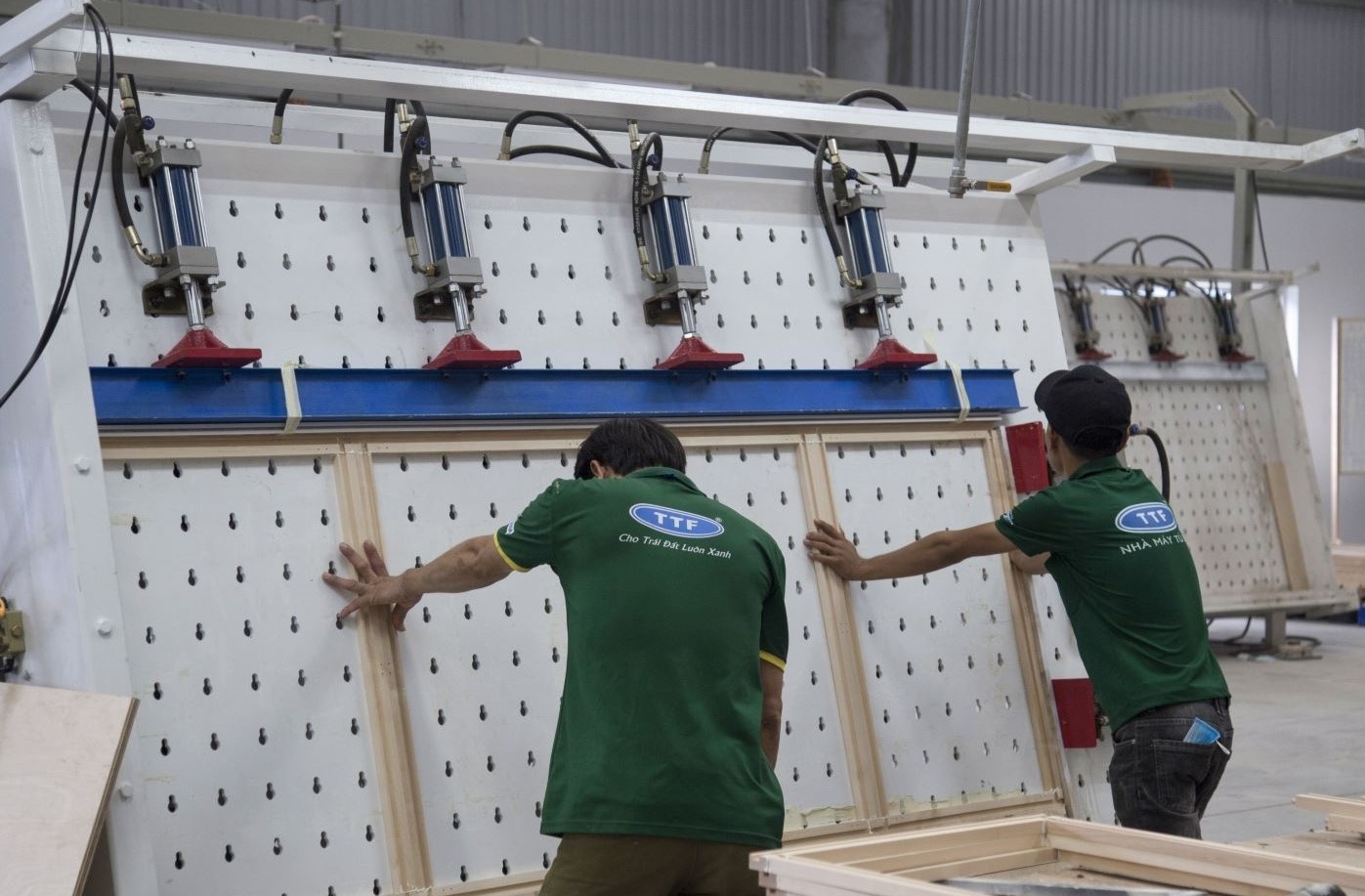
| Photo: Thoibaotaichinhvietnam.vn |
Under the draft revised Law on Support for Small and Medium-sized Enterprises (SMEs), the ministry proposed additional mechanisms encouraging credit institutions to expand lending to SMEs through more diversified forms of collateral.
Accordingly, beyond tangible assets such as property, businesses could use future assets, property rights, intellectual property, digital assets, and virtual assets to secure loans.
The proposal also encourages banks to provide financing based on credit ratings, business plans, market expansion strategies, and corporate cash flows.
According to the Ministry of Finance (MoF), the policy aims to unlock resources for the private sector, with priority given to SMEs and technology startups in line with Resolution 68 of the Politburo.
SMEs are defined as enterprises employing no more than 300 workers on average annually and generating total revenue of below $15.4 million.
The ministry estimates that SMEs account for more than 98 per cent of businesses in Vietnam, but currently access only around 19-20 per cent of total outstanding credit.
Most SMEs continue to face difficulties in obtaining financing as banks largely require collateral under traditional lending standards, particularly real estate assets.
Meanwhile, many technology startups derive much of their value from software, customer data, algorithms, brands, and digital assets, which have yet to gain broad recognition within lending activities.
The law has been in force for eight years. However, several provisions are no longer considered suitable under Vietnam’s current two-tier local government model, while some regulations have already been incorporated into other specialised laws.
The MoF said the revision aims to align the legislation with newer regulations covering investment, business activities, innovation, digital transformation, and green transition.
Drawing on international experience, the ministry noted that most major economies regard SMEs as the backbone of economic growth.
The revised law is expected to be submitted to the National Assembly in October. If approved, it is scheduled to take effect from July 1, 2027.








What the stars mean:
★ Poor ★ ★ Promising ★★★ Good ★★★★ Very good ★★★★★ Exceptional
 Tag:
Tag:
Related Contents





More News
- AI banking reshapes future of finance (May 09, 2026 | 09:00)
- SSI chairman shifts stance on digital assets, eyes market entry (April 24, 2026 | 12:29)
- CAEX partners with HashKey to build an international-standard digital asset exchange in Vietnam (April 22, 2026 | 19:21)
- OKX Ventures and HashKey invest in Vietnam crypto exchange CAEX (April 10, 2026 | 16:07)
- Digital asset boom drives need for tech talent (April 01, 2026 | 18:14)
- Sun Group takes controlling stake in Vietnam Digital Asset JSC (March 17, 2026 | 11:54)
- 0.1 per cent tax proposed on each transfer of digital assets (February 05, 2026 | 17:27)
- Pilot digital asset exchanges to be licensed by mid-January (January 08, 2026 | 10:38)
- Promoting digital assets initiative in Vietnam (December 13, 2025 | 09:30)
- Vietnam establishes management board for crypto asset trading market (December 11, 2025 | 18:11)









 Mobile Version