
Messer Southeast Asia COO on low-carbon hydrogen and decarbonisation

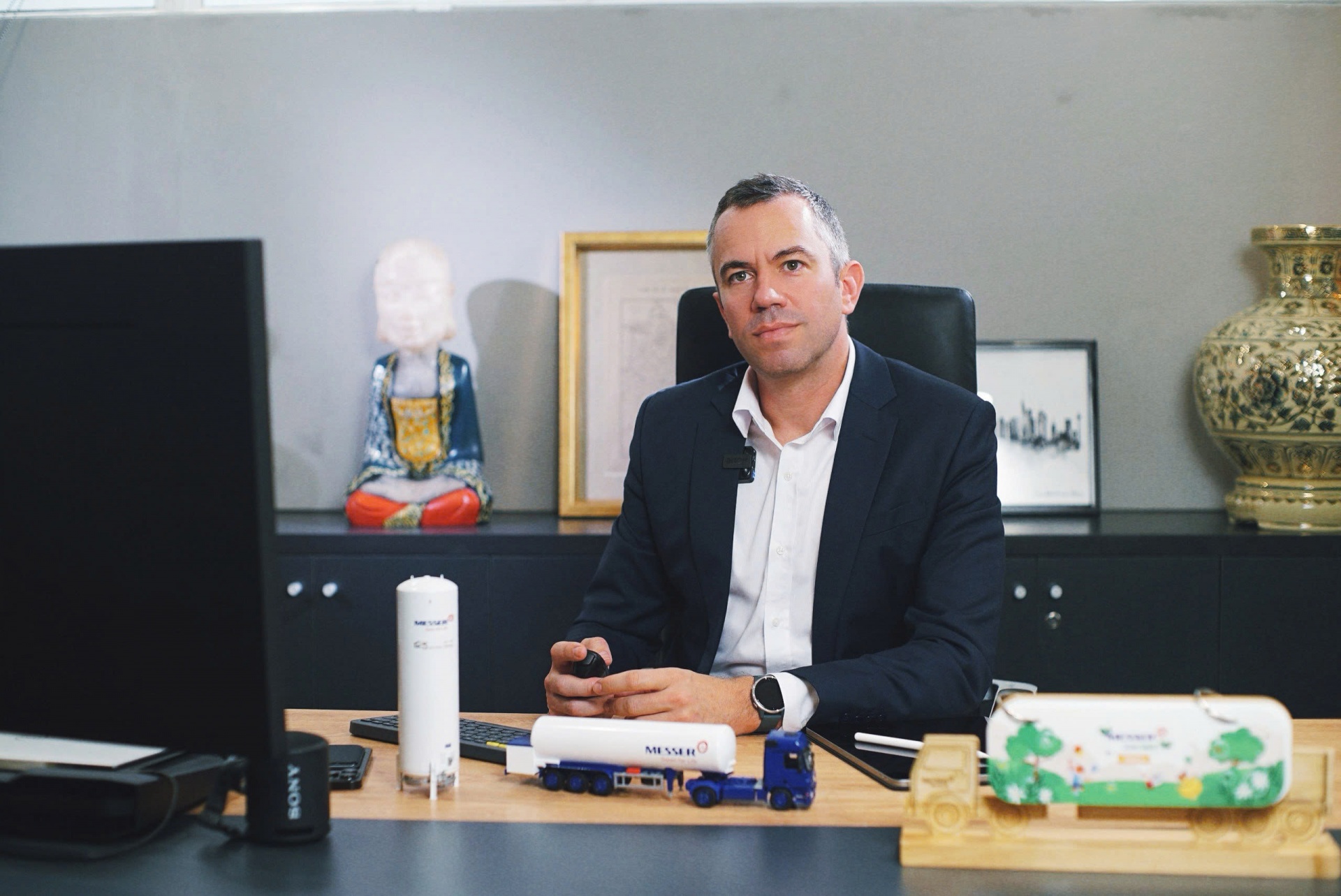 |
Can you give us an overview of Messer's development in Vietnam over the past three decades?
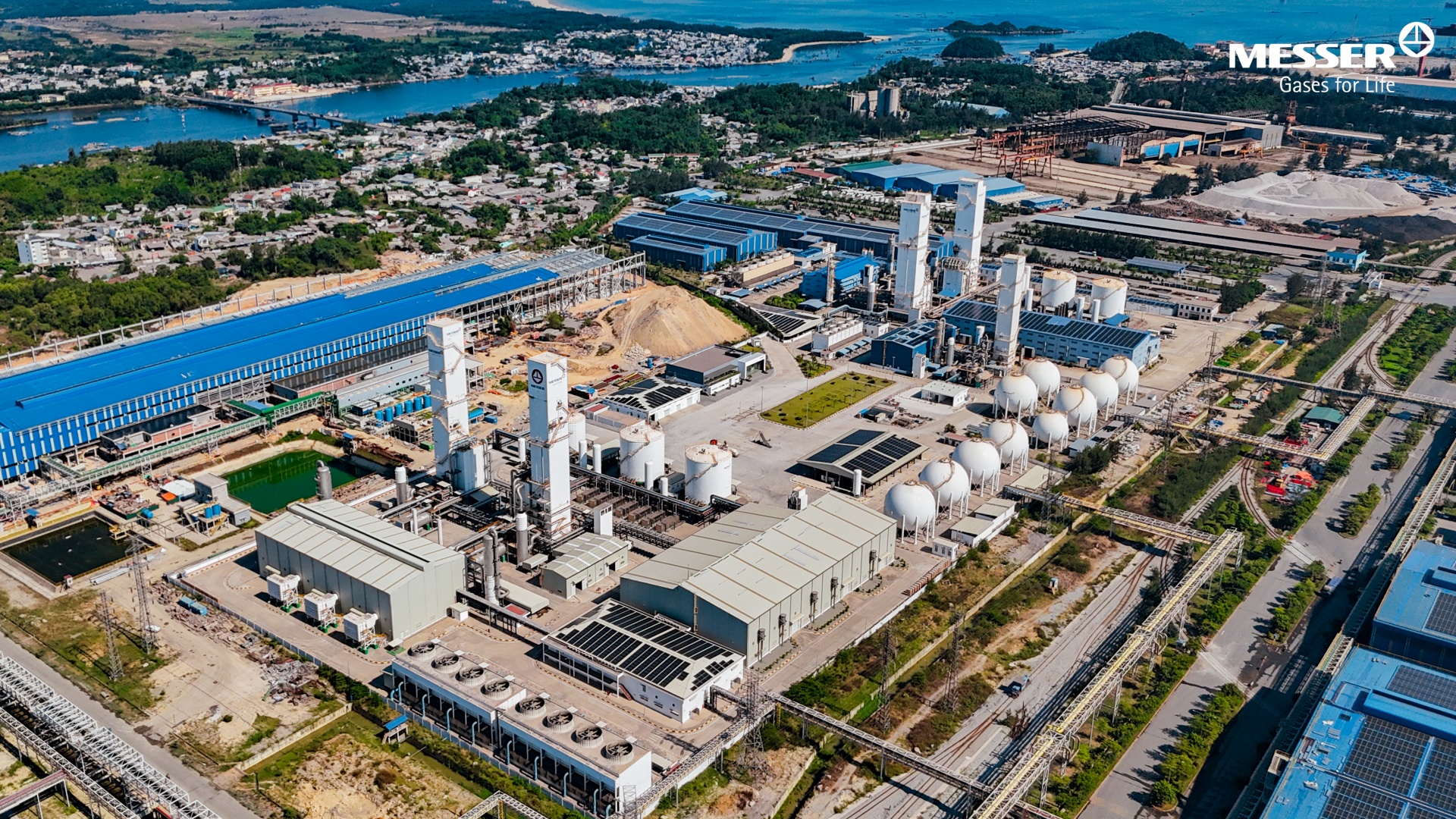
As a top global industrial gas group, Messer has started operation in Vietnam since 1997. After nearly three decades of operation, Messer has established a nationwide industrial gas network in Vietnam, including 12 air separation plants, four nitrogen plants, one CO2 off-take plant, six filling stations, and two logistics centre. This is coupled with production facilities for speciality gases such as krypton, xenon, helium, and neon.
Today, Messer is offering high-quality gas solutions to a wide range of industries, including manufacturing, healthcare, food processing, energy, and electronics. As a market leader, we believe it is our responsibility to advance decarbonisation in Vietnam. We want to prove that it is possible to develop low-carbon hydrogen in Vietnam. Thus, other players will follow the suit to promote wider industry adoption, thereby ultimately contributing to Vietnam's net-zero emissions' goal.
Why did Messer choose Vietnam as a location for its low-carbon hydrogen production?
Vietnam aims to achieve an average annual economic growth rate of at least 10 per cent during the 2026–2030 period. Achieving this ambitious target will be underpinned by rapid industrial expansion, rising output and green manufacturing across key sectors. Against the backdrop, companies are ramping up investments in electronics, automotive, energy, healthcare, and other industries. Meanwhile, manufacturers are increasingly greening their operations to meet more stringent sustainability requirements.
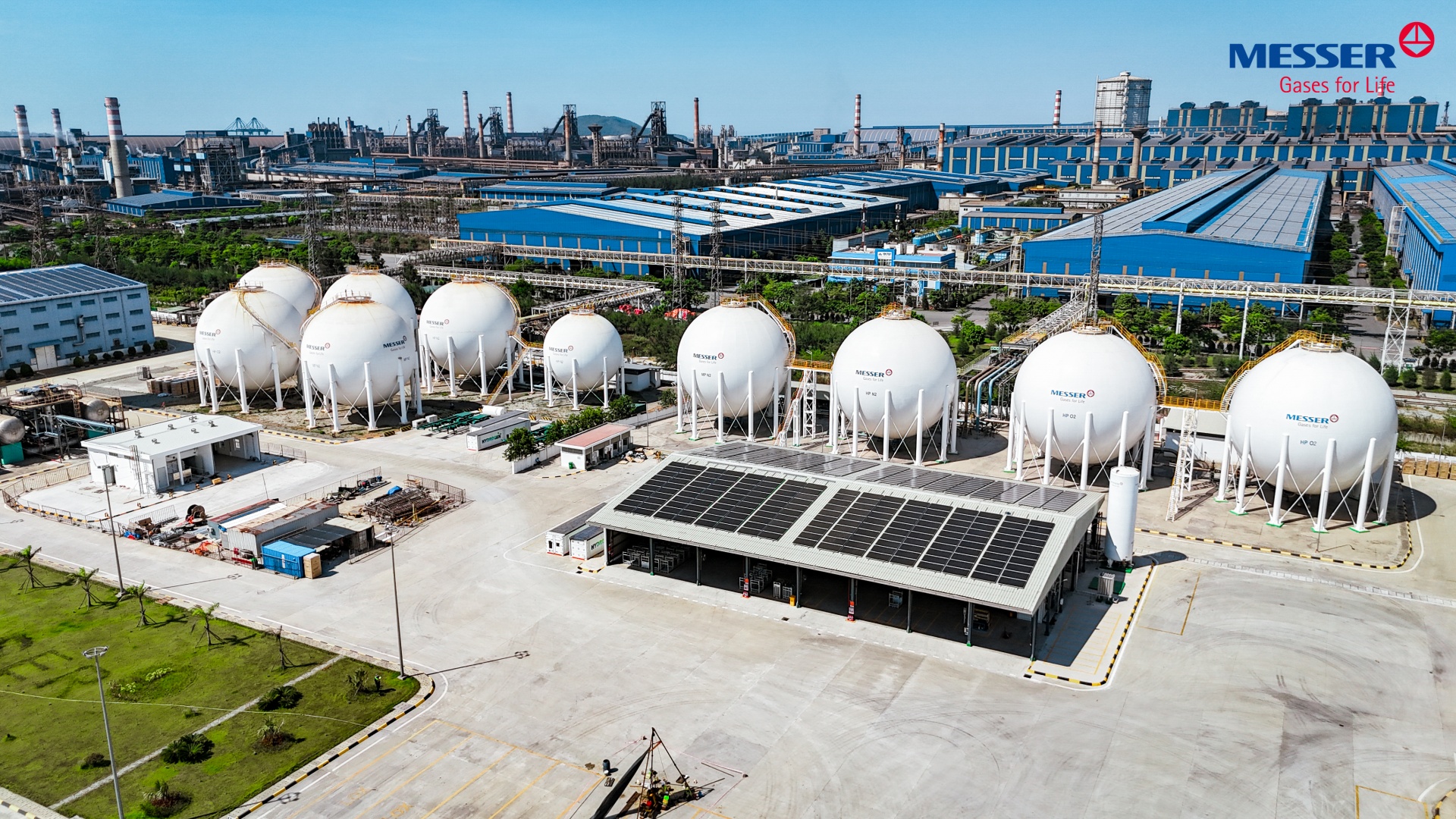
These trends will drive growing demand for high-quality industrial gases and hydrogen, supporting both Vietnam's industrial growth and the decarbonisation of its manufacturing sector. By establishing a strong production base in Vietnam, Messer is well positioned to supply low-carbon hydrogen to customers for their hydrogen and other industrial applications. We are also integrating rooftop solar power systems to produce low-carbon hydrogen from the beginning, contributing to advancing Vietnam’s green hydrogen industry.
How will your expertise help to develop the low-carbon hydrogen industry in Vietnam?
Hydrogen is not new to Messer. We have been working with hydrogen for more than 120 years. Our strong engineering capabilities and extensive experience give us a profound understanding of hydrogen technologies and their industrial applications. Our focus now is to make low-carbon hydrogen cost-competitive so that we can develop more low-carbon hydrogen projects in Vietnam.
To facilitate the goal, we expect to gain more access to renewable energy. At the same time, we also need an effective direct power purchase agreement mechanism and infrastructure to produce, transport, and further develop low-carbon hydrogen in Vietnam.
 |
Why do you choose Ho Chi Minh City as the next destination for your investment?
There are several reasons why Messer chose Ho Chi Minh City in particular and the south Vietnam in general. One of the key factors is the region's energy infrastructure. The south Vietnam is home to a number of energy terminals. Among them, the Cai Mep terminal project serves as a strategic hub for energy distribution for power plants in the region. Together with our partners, we believe this location offers significant advantages for investment.
Another reason is the region's strong economic and industrial growth. Ho Chi Minh City and the south Vietnam are developing strongly, driving rising demand for industrial gases, particularly nitrogen. So we think this is the right place for us to develop low-carbon production of nitrogen and oxygen in the country.
The latest investment reflects Messer’s strategy to expand investment and production in Ho Chi Minh City and the wider southern region. The project will be equipped with cutting-edge technology and operated to international standards, enabling the supply of a wide range of industrial gases for various essential manufacturing and processing sectors.
What is the scale of the project, and what is the timeline for completion?
So this venture is approved internally on both sides – Vietnam and Messer. We’re starting the establishment of a joint venture. We’re going to order the equipment. The land will be ready soon, and then we’ll be able to start the construction. The project will take one and a half year to be able to finalise. So we hope that before the end of 2028, we’ll be able to deliver the first gas products from it
The facility will produce hydrogen, nitrogen, oxygen and argon. The Air Separation Unit will recover cold energy from the regasification of liquefied natural gas to reduce the refrigeration duty and electricity consumption of the air separation process.
This solution significantly reduces electricity consumption in the air separation process while producing the same high-quality industrial gases. So this is a very positive to reduce the carbon footprint of the end-users. Across the industries, companies can use liquid nitrogen or liquid oxygen for their factories. As a result, companies can reduce the carbon footprint associated with their industrial gas consumption.
Which industries will benefit from Messer's gas products?
Industrial operations require oxygen, nitrogen, argon, xenon, neon and krypton, along with CO2, acetylene, hydrogen and helium, and a wide variety of gas mixtures. At Messer we call these gases 'Gases for Life'. They are produced in large-scale industrial plants and are just as important as water and electric power for many manufacturing processes, which make everyday products.
Gases for Life reflects the fact that our products serve virtually every industry. Nitrogen is widely used by electronics, footwear, food processing, metallurgy and many other sectors. Meanwhile, oxygen is essential for steel industry and hospitals across southern Vietnam. So all industries in Vietnam will benefit from our products.
Our customers span a wide range of industries in Vietnam, including the vehicle, steel, environmental engineering, food and beverages, construction, metallurgy, glass and ceramics, medicine and pharmaceuticals, the chemical industry, and research and development.
 |
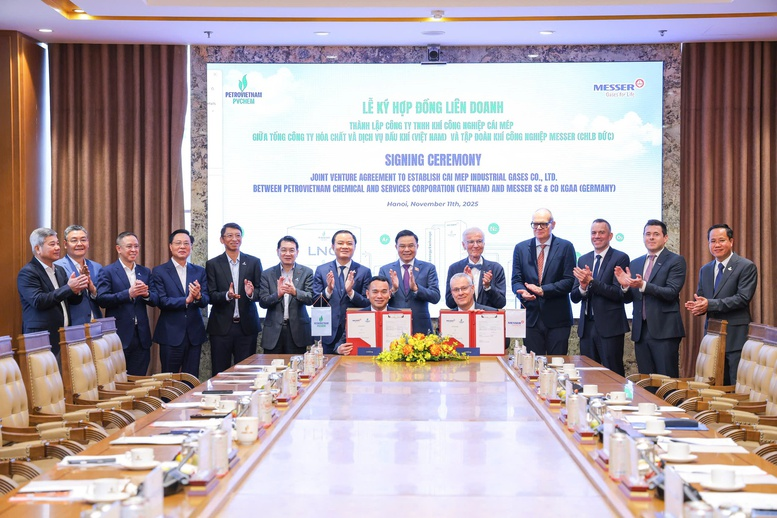 | PVChem and Messer SE & Co. KGaA to build $37 million industrial gas plant PetroVietnam Chemical and Services Corporation (PVChem), a member of Petrovietnam, and Germany's Messer SE & Co. KGaA have signed a joint venture agreement to establish Cai Mep Industrial Gases Co., Ltd. |
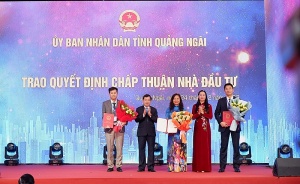 | Quang Ngai awards investment licences to new projects valued at nearly $600 million At the announcement ceremony for Quang Ngai’s provincial planning for the 2021-2030 period, with a vision to 2050, and the commencement of the Hoang Sa-Doc Soi road project on December 24, Quang Ngai People's Committee awarded investment policy decisions to representatives of a number of projects. |
 | Thai Nguyen hails foreign investment Thai Nguyen is becoming a conducive location for foreign-led investments and expansion. |
What the stars mean:
★ Poor ★ ★ Promising ★★★ Good ★★★★ Very good ★★★★★ Exceptional
 Tag:
Tag:Related Contents

Latest News


More News
- GreenYellow and Vina Paper partner on rooftop solar project (October 05, 2026 | 09:00)
- Consultation workshop refines Vietnam's clean hydrogen strategy (October 04, 2026 | 08:00)
- JBIC considers new financing options for Vietnam’s energy projects (October 03, 2026 | 08:00)
- Vestas to supply 16 turbines for two new Vietnam wind farms (October 01, 2026 | 07:00)
- Inter-sectoral cooperation on Montreal protocol (September 30, 2026 | 17:20)
- EV battery recycling rate proposed at 8 per cent from 2029 (September 29, 2026 | 16:00)
- Bankability remains hurdle for Vietnam's JETP projects (September 29, 2026 | 12:08)
- Binh Minh Plastics extends clean water project to border communities (September 29, 2026 | 10:57)
- Coca-Cola Vietnam expands packaging collection programme (September 25, 2026 | 08:15)
- Pacifico Energy secures sea survey licence for offshore wind project in Lam Dong (September 24, 2026 | 18:02)



Latest News






 Mobile Version