
Vietnam to unlock long-term savings through expanded pension fund

Decree No.85/2026/ND-CP on supplementary pension insurance, took effect from May 10, 2026, and is expected to usher in a new phase of growth for this promising market segment.
According to the United Nations, the proportion of people aged 65 and above will rise sharply across most regions in the coming decades, while birth rates in many countries continue to decline significantly. This trend is placing increasing pressure on social security systems and public pension budgets worldwide.
Numerous studies indicate that Vietnam is among the fastest-ageing countries in Asia. Long-term financial pressure on the social insurance system is expected to intensify over the coming decades, while workers still have limited access to and experience with long-term savings instruments.
 |
| Vietnam is among the countries with the fastest population ageing rates in Asia |
After nearly 10 years of pilot implementation of governmental Decree No.88/2016/ND-CP governing voluntary supplementary pension programmes, Vietnam's supplementary pension market still remains modest in scale.
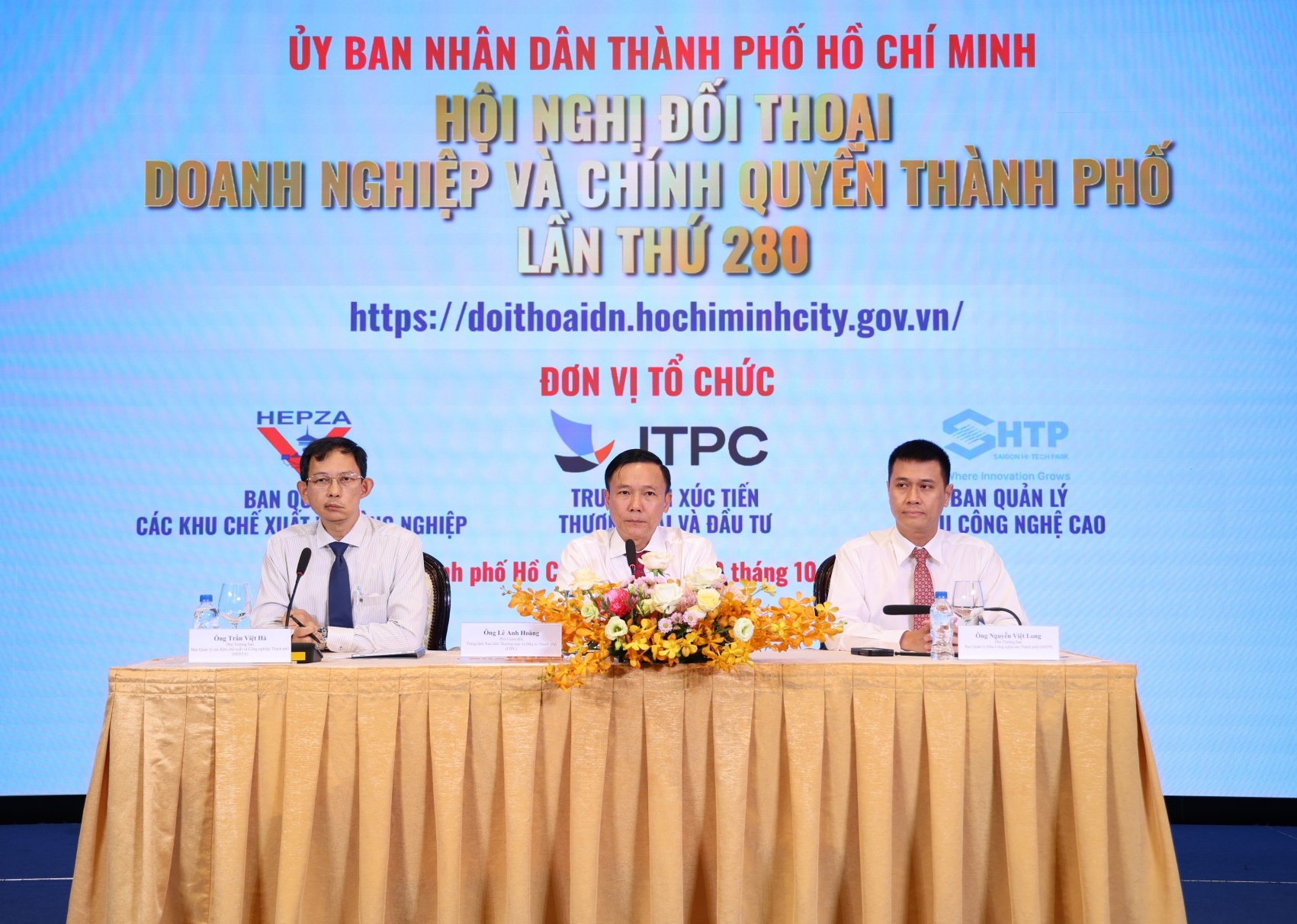
According to figures presented at a conference introducing governmental Decree No.85/2026 held in Ho Chi Minh City on May 22, as of the end of 2025, four companies had been licensed to operate seven pension funds nationwide, with total net asset value reaching approximately $88.24 million.
Although this represented a 26-fold increase compared with 2021, it remained relatively small compared to the actual potential of an economy with a population exceeding 100 million.
The number of participants reached 28,560, more than 42 times higher during the same period. In 2025 alone, total contributions to pension funds amounted to approximately $28.84 million, up 26.5 per cent, while total investment portfolios reached roughly $90.96 million, an increase of nearly 47 per cent.
Against this backdrop, Decree 85 is expected to remove many of the barriers that have constrained market development.
One of the most significant changes is the clearer standardisation of participation mechanisms. Employees will participate in supplementary pension programmes through their employers, with employers making contributions on behalf of employees, while employees may choose to make additional voluntary contributions.
A notable new provision stipulates that participation in supplementary pension programmes will not affect salary and bonus policies, labour management practices, or other employee welfare schemes.
This is expected to address concerns previously held by many businesses about implementing such schemes for their workforce.
The new decree also significantly raises requirements for fund management companies.
Specifically, firms wishing to enter this market must manage at least $40 million in total assets, possess a minimum of five years of operating experience, and currently manage at least two public funds, including at least one bond fund.
Personnel requirements have also been tightened. At least three out of five investment management specialists must hold professional practice certificates or internationally recognised qualifications, such as the CFA designation.
On the investment side, Decree 85 grants pension funds considerably greater flexibility. The mandatory allocation to government bonds has been reduced to 40 per cent for funds with net asset values of at least $200,000. At the same time, eligible investment portfolios have been expanded to include listed equities, corporate bonds, and fund certificates.
According to industry experts, these changes are better aligned with the inherently long-term investment nature of pension funds and move Vietnam closer to international standards.
The decree also introduces provisions aimed at preventing ‘fee-on-fee’ practices when pension funds invest in other funds, thereby safeguarding the interests of participants.
Regarding tax incentives – arguably the issue of greatest interest to businesses – the Ministry of Finance (MoF) is drafting implementing regulations that would increase the personal income tax deduction ceiling from $40 per month to $120 per month, among others.
The MoF expects completion of this to contribute to the development of a comprehensive supplementary pension fund system, improve professionalism and service efficiency, provide citizens with additional long-term saving options, and generate long-term capital for Vietnam's capital and domestic bond markets.
These developments are viewed as positive signals, although some stakeholders believe incentives should be enhanced further to create stronger appeal for both employees and employers.
A World Bank document presented at the afore-mentioned conference highlighted that many countries have successfully expanded supplementary pension coverage through automatic enrolment mechanisms.
In the United Kingdom, the auto-enrolment scheme introduced in 2012 significantly increased pension participation among private-sector employees, particularly among lower-income workers and small businesses that previously had limited access to long-term financial savings instruments.
In Vietnam, Decree 85 continues to maintain a voluntary participation mechanism – an approach widely regarded as appropriate during the early stages of market development when the supplementary pension sector remains relatively nascent.
Over the longer term, however, many experts believe policymakers should consider introducing mandatory employer matching contributions to expand coverage and foster a stronger culture of long-term saving across society.
As population ageing in Vietnam is advancing faster than previously projected, the development of supplementary pension funds is no longer merely a matter of choice. The key challenge is to build sufficient trust for employees to commit to long-term savings, encourage businesses to participate proactively, and ensure that the system operates with transparency, efficiency and safety.
 | WB to help Vietnam Social Security in pension fund management Deputy General Director of the Vietnam Social Security (VSS) Nguyen Dinh Khuong recently held a working session with a delegation from the World Bank (WB) led by financial expert Alwaleed Alabatani in Hanoi to discuss the launch of a technical support programme for pension fund management. |
 | Pension fund landscape to be diversified Driven by incrementally surging demand from a gradually ageing population, more credit institutions and consumer finance companies are diversifying their loan schemes, including loan programmes for retirees. |
 | Benefits of pension funds must be incentivised Despite their benefits for retaining talent and offering tax advantages, voluntary pension funds in Vietnam see limited use and need stronger incentives to match global standards. |
What the stars mean:
★ Poor ★ ★ Promising ★★★ Good ★★★★ Very good ★★★★★ Exceptional
 Tag:
Tag:
Related Contents






Latest News




More News
- Insurance struggles to keep pace with electric vehicle boom (July 28, 2026 | 17:27)
- AM Best maintains stable outlook on Vietnam's non-life insurance sector (July 27, 2026 | 11:59)
- Non-life insurers rebound on strong first-half results (July 24, 2026 | 16:24)
- Hanoi Re named “Best (Re)Insurer” as record profits and ratings upgrade mark 15th anniversary (July 24, 2026 | 09:00)
- NNX opens first insurance centre in Hanoi (July 08, 2026 | 16:17)
- Infrastructure boom fuels expansion of non-life insurance market (June 06, 2026 | 14:40)
- Igloo expands into life insurance with Chubb Life partnership in Vietnam (June 06, 2026 | 11:25)
- Vietnam targets 25 per cent micro-insurance coverage by 2030 (June 05, 2026 | 14:42)
- Willis and Global Parametrics deliver payouts to coffee farmers hit by storms (May 22, 2026 | 09:39)
- Life insurance market heats up despite slowing new sales (May 15, 2026 | 11:39)


Latest News





 Mobile Version