

Foreign-language trademarks gain traction in Vietnam

 |
| Nhung Hong Pham, CEO of Banca IP Law firm |
In recent years, many businesses operating in Vietnam have chosen to use Chinese, Japanese, or Korean characters, or other non-Latin scripts. This trend is particularly common in sectors such as food and beverage, cosmetics, fashion, tea and coffee, and restaurants.
However, many businesses encounter unexpected difficulties when filing trademark applications and are surprised to receive refusals or protection granted only on a very limited basis.
So, can trademarks consisting of non-common languages be protected in Vietnam?
Under Vietnamese intellectual property law, a trademark must possess distinctiveness, meaning it must enable consumers to distinguish the goods or services of one entity from those of others.
In practice, the majority of Vietnamese consumers cannot read, pronounce or easily remember Chinese, Japanese, or Korean characters. As a result, trademarks consisting solely of such characters are often considered incapable of distinguishing and are therefore refused protection as word marks.
This explains why the use of Chinese, Japanese, or Korean characters is not prohibited, but exclusive protection for such characters on their own is extremely difficult to obtain.
In reality, the Intellectual Property Office of Vietnam has granted registration certificates for many trademarks that contain Chinese or Japanese characters. However, these registrations are almost always accompanied by disclaimers, stating that the trademark is protected as a whole, while the non-Latin characters themselves are not separately protected.
For example, the trademark 中国银行 胡志明市分行 – Bank of China Ho Chi Minh City Branch (Registration No.569832, granted last September) is protected only as a whole. The English words and the Chinese characters are expressly excluded from exclusive protection on their own.
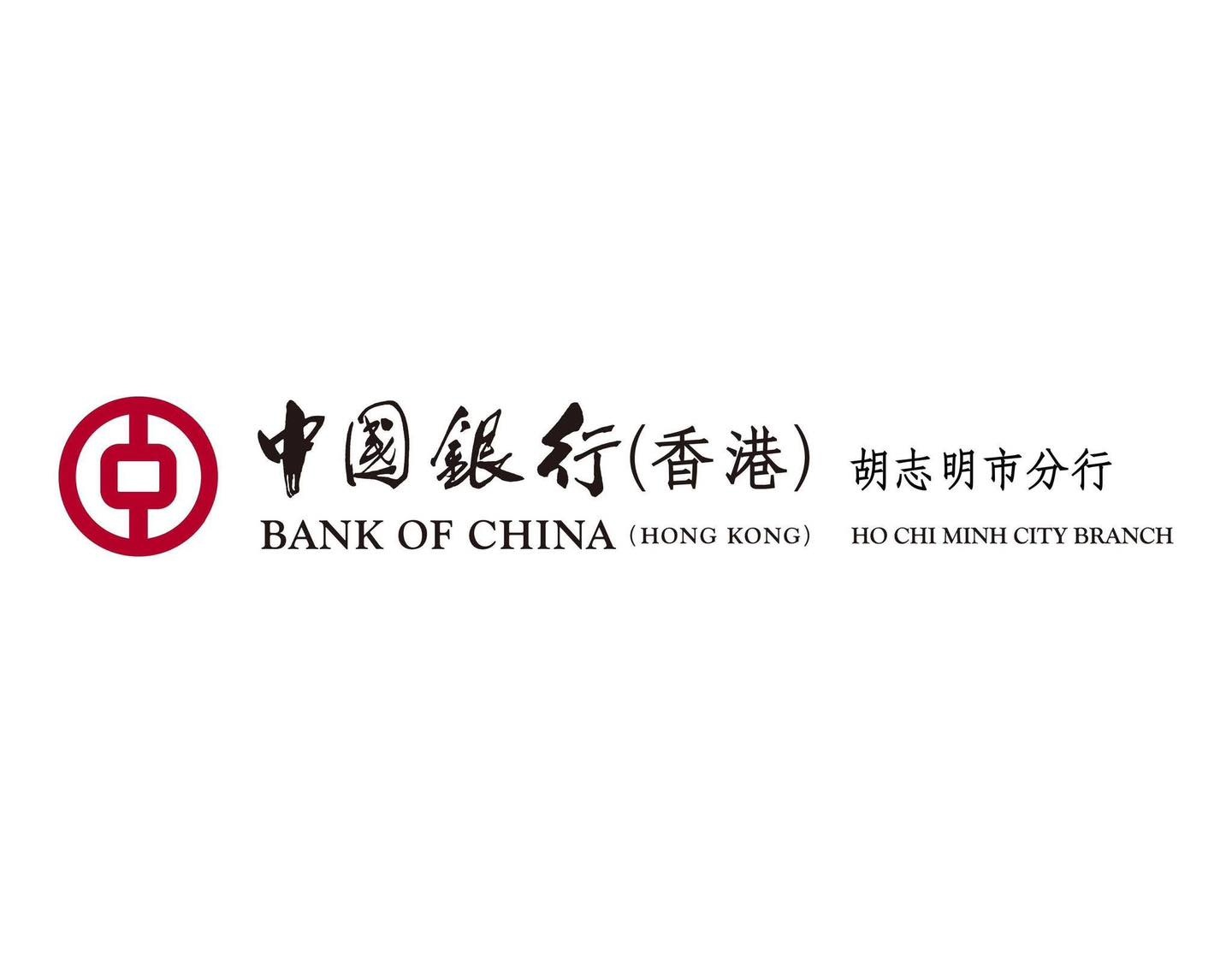 |
This means that the trademark owner cannot claim exclusive rights over the Chinese or Japanese characters themselves, but only over the specific overall presentation of the mark.
To increase the likelihood of successful registration, businesses commonly adopt several practical strategies.
First, combining non-Latin characters with distinctive logos, images, or graphic designs. When Chinese or Japanese characters are incorporated into a distinctive visual composition, the mark may be protected as a device mark or a combined mark, even though the characters themselves are not protected independently.
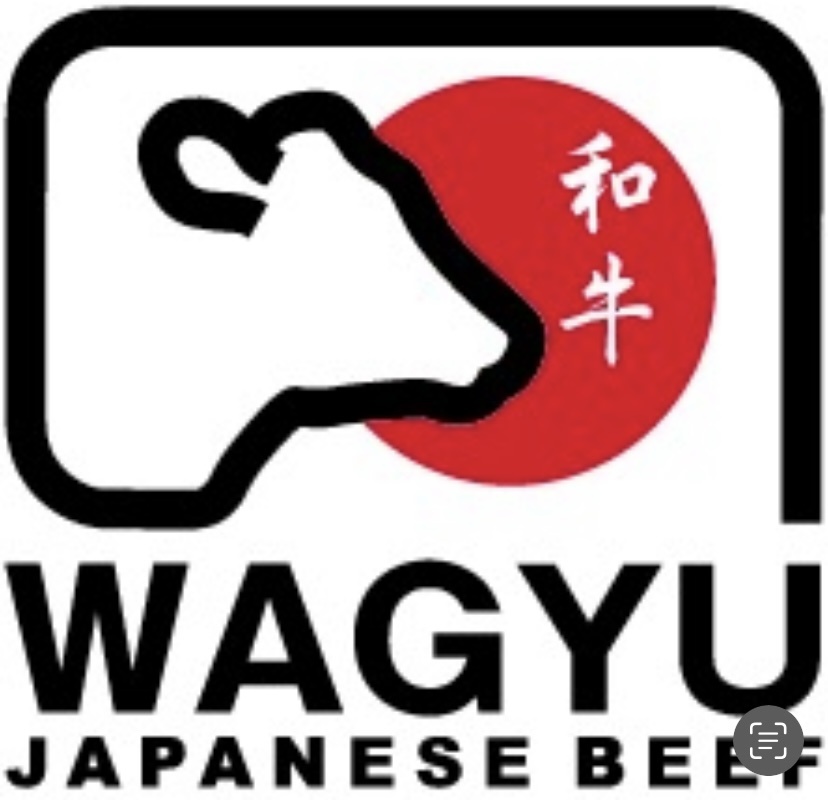
A typical example is the trademark WAGYU – Japanese Beef (Registration No. 309703, granted in 2018). The registration clearly states that the mark is protected as a whole, while the words “WAGYU”, “JAPANESE BEEF”, the Japanese characters and the cow-head device are not separately protected.
 |
Second, adding Latin-based words (such as Vietnamese or English). A readable and memorable Latin element helps Vietnamese consumers identify the brand and significantly enhances the distinctiveness of the trademark during examination.
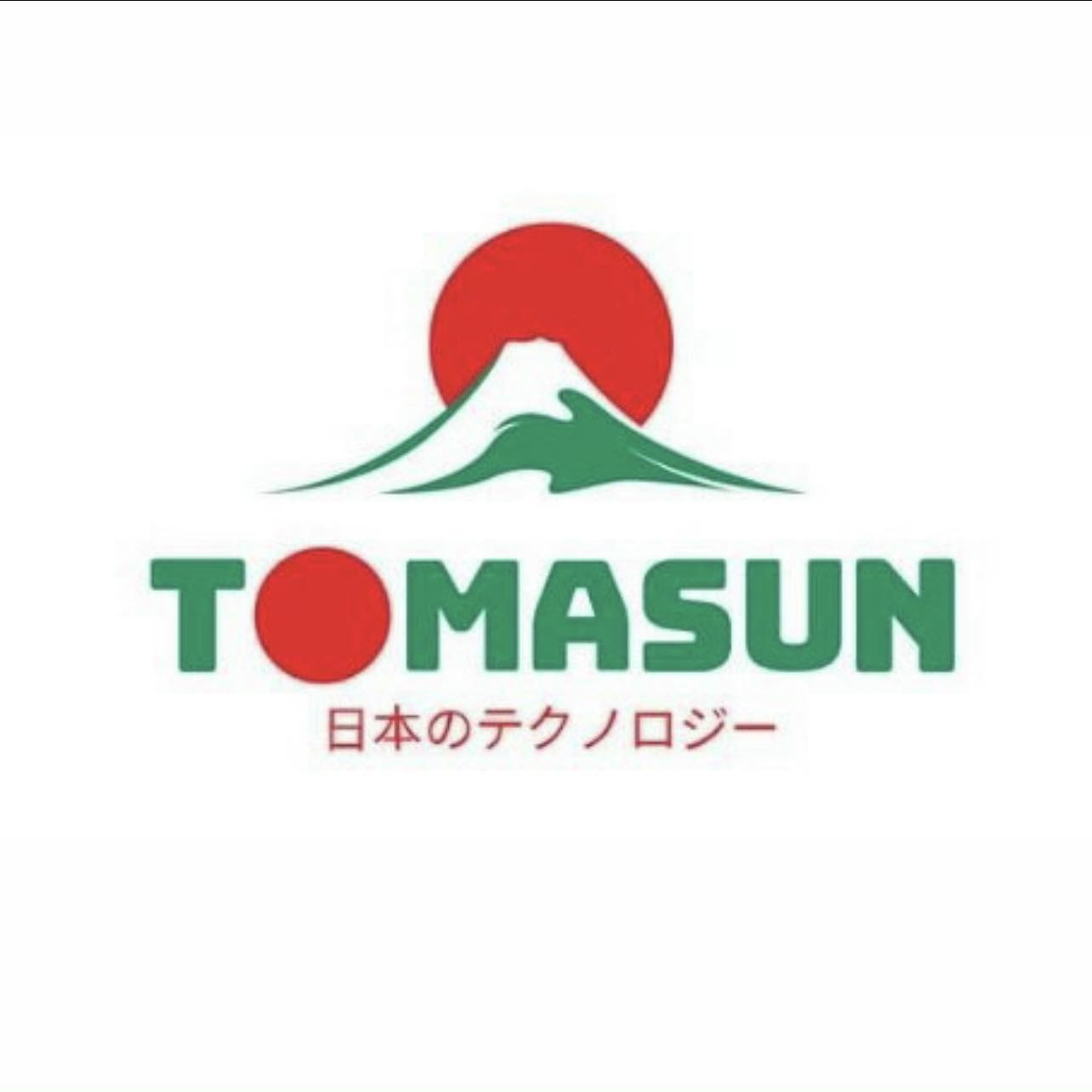
For instance, the trademark TOMASUN (Registration No. 513484, granted in 2024) is protected as a whole, whereas the accompanying Japanese characters are not separately protected.
 |
Third, stylising or graphically designing non-Latin characters. When Chinese or Japanese characters are presented in a highly stylised or artistic form, they may be regarded as graphical elements rather than ordinary word elements, thereby improving registrability.
In exceptional cases, if a trademark owner can prove that a mark has been widely and continuously used in Vietnam and has become well known to consumers prior to the filing date, even non-common language characters may be recognised as having acquired distinctiveness. However, such cases are rare and require substantial evidence of actual use and consumer recognition.
Therefore, before investing in branding or filing a trademark application, businesses should clearly understand the limits of protection and carefully design their trademarks to minimise future legal risks.
 | The risks from improper use of registered trademarks Many trademark owners think that the most critical aspect of their trademark is that it is registered, but this is not the case. Intellectual property attorney Nguyen Vu Quan from KENFOX IP & Law Office offers examples that illustrate the risks that trademark owners face. |
 | Trademark disputes challenge foreign firms in Vietnam Nhung Pham, a patent and trademark attorney with twenty years of experience advising on intellectual property law for domestic and international businesses, looks into the rising challenges foreign companies face as trademark disputes grow increasingly complex in Vietnam’s fast-evolving market and how to fix the dilemma. |
 | Enterprises need better branding to compete in int'l market Vietnamese enterprises must develop globally competitive brands if they want to succeed internationally, speakers said at a conference on domestic trademarks held in HCM City on Saturday. |
What the stars mean:
★ Poor ★ ★ Promising ★★★ Good ★★★★ Very good ★★★★★ Exceptional
 Tag:
Tag:Related Contents





Latest News




More News
- Significant steps made in related-party transactions (August 21, 2026 | 15:51)
- New challenges for workforce data and HR policy management with PIT changes (August 17, 2026 | 10:32)
- Leading in AI: from pilot initiatives to enterprise value (August 10, 2026 | 07:00)
- Programme launched to develop new Vietnamese business leaders (July 28, 2026 | 13:50)
- Vietnam must build talent and innovation to attract quality investment (July 09, 2026 | 08:00)
- AI-ready workforce key to Vietnam's next decade, analysts say (July 01, 2026 | 15:55)
- VIFC shouldn't try to be Dubai, says VinaCapital chief economist (June 24, 2026 | 14:17)
- Highly skilled workforce and fiscal incentives key to driving high-tech growth (June 17, 2026 | 16:17)
- KPMG and Anthropic to redefine client services with artificial intelligence tie-up (May 25, 2026 | 08:00)
- FDI a crucial component to double-digit growth (May 15, 2026 | 11:38)









 Mobile Version