
Industrial players demand more value

Vietnam Industrial Property Forum 2026: Opportunities Amid Uncertainty
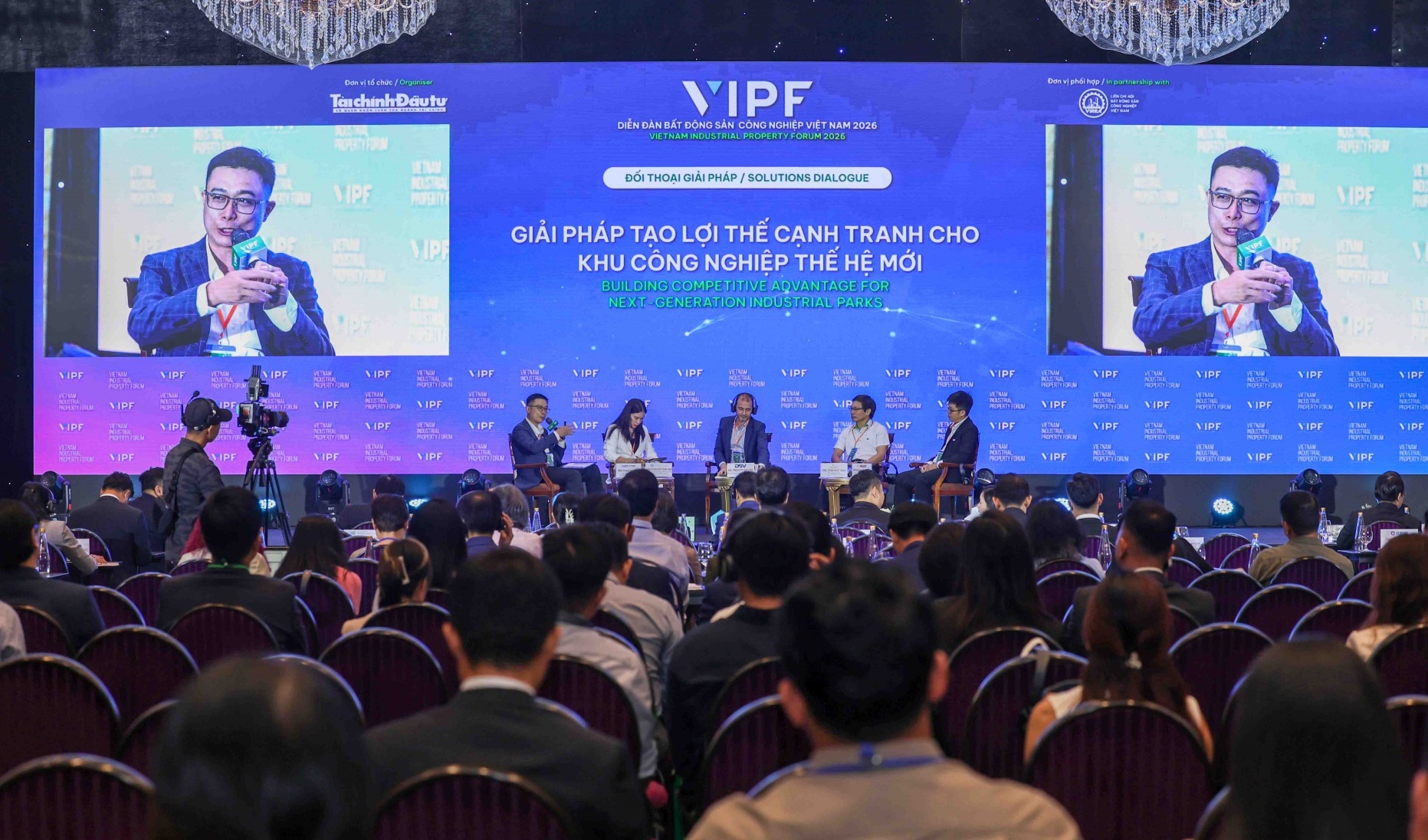
High-level conference sessions featuring leading Vietnamese and international speakers will discuss the outlook and future direction of Vietnam’s industrial property market.
There will also be recognition of organisations demonstrating leadership in green industrial development; an exhibition showcasing products, services, projects, and innovative eco-IP models; and investment networking activities and industrial site visits to exemplary developments.
Time: 1–8pm, August 26, 2026
Venue: The Reverie Saigon, Ho Chi Minh City
Organisers: Vietnam Investment Review in partnership with the Vietnam Industrial Real Estate Association
Please visit vipf.vir.com.vn for details
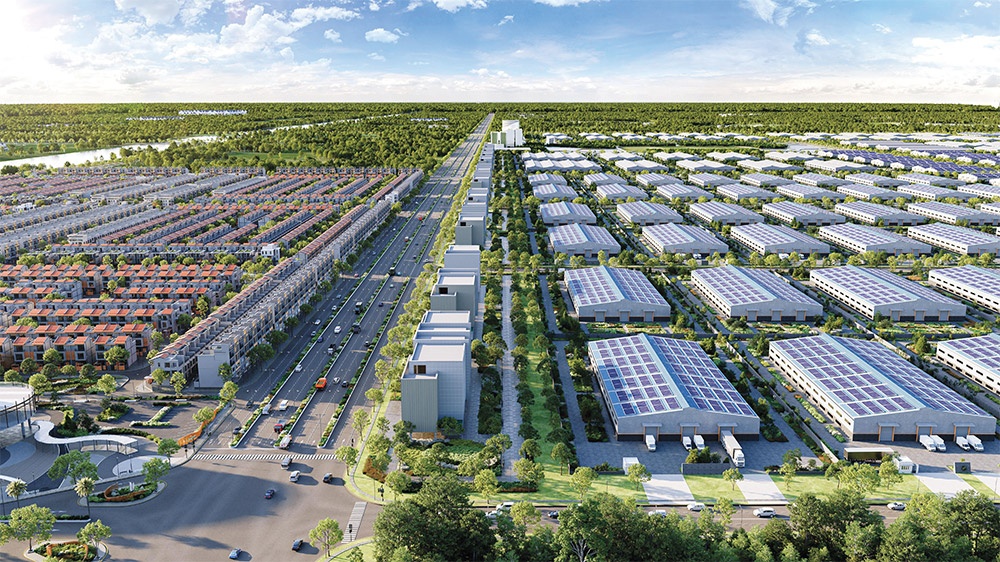 |
| Industrial players demand more value |
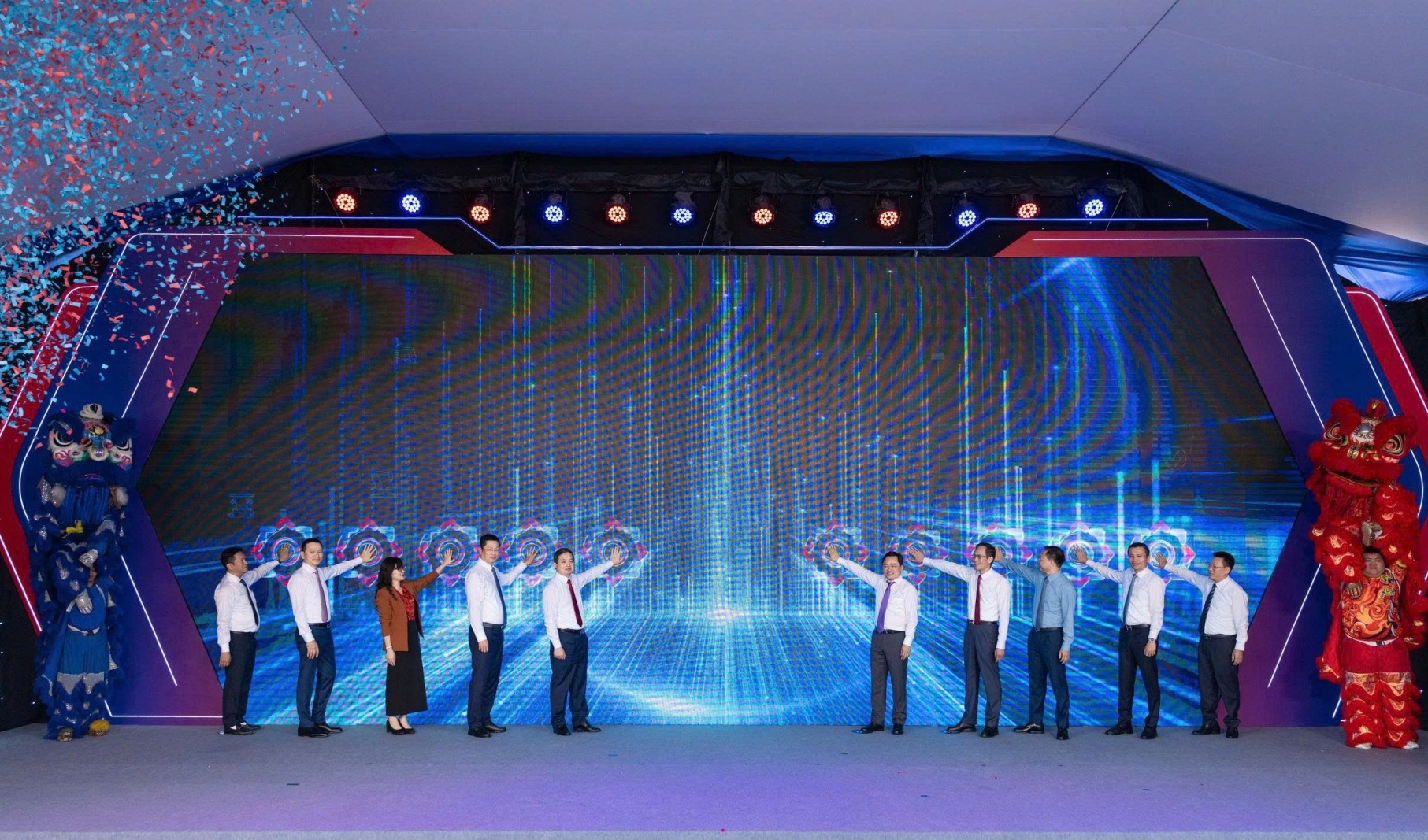
In July, Suntory PepsiCo Vietnam Beverage inaugurated its $300 million manufacturing facility at Huu Thanh Industrial Park (IP) in Tay Ninh province.
Speaking at the ceremony, Le Van Han, Chairman of province’s People’s Committee, said that the plant is a model of advanced technology adoption.
“The establishment of the plant marks an important milestone that will contribute to technology transfer, foster the development of a modern industrial ecosystem, and accelerate the province’s digital transformation as well as the application and advancement of science and technology,” Han said.
Beyond its economic significance, the project also delivers value by creating high-quality employment opportunities, enhancing the skills of the local workforce, and improving the livelihoods of people in the province, added Han.
Developed and operated by IDICO, Huu Thanh IP is a multi-sector complex that prioritises investments in high-tech, resource-efficient, and environmentally friendly industries, while boosting supporting industries and value-added services. Against this backdrop, sustainability was embedded in the design of Suntory PepsiCo Vietnam’s Tay Ninh plant from the outset.
Built to LEED Gold standards, the $300 million facility incorporates environmentally friendly building materials, energy-efficient technologies, and renewable energy solutions to minimise its environmental footprint while enhancing operational efficiency.
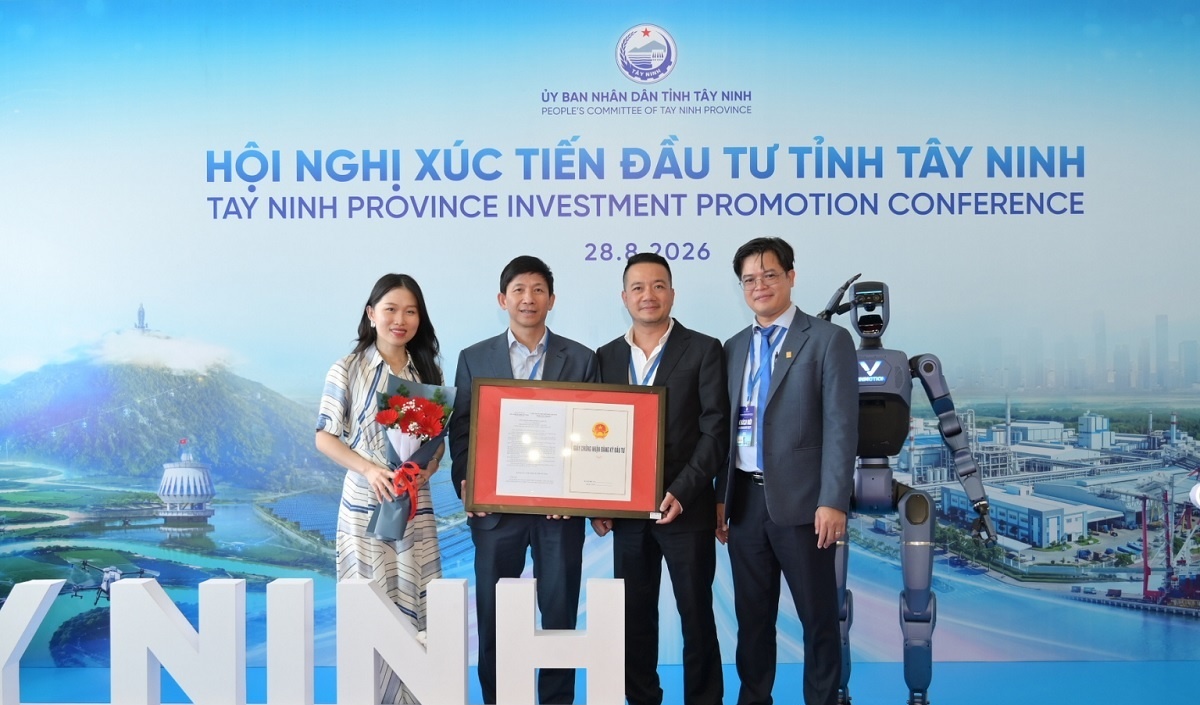
In April, during a meeting with Tay Ninh authorities in April, Swiss Asia Partner SA of Switzerland announced it would invest more than $100 million in a European-standard dairy manufacturing facility at Prodezi Eco-Centric IP.
Standards and principles
Explaining why the company selected Prodezi for the project, Philippe Phan Van Ho, CEO of Swiss Asia Partner SA, told VIR that the deciding factors were the park’s wastewater treatment system, energy-efficient infrastructure, industrial symbiosis model, and commitment to environmental, social, and governance (ESG) standards.
“This alignment is reflected first and foremost in the fact that the Be Milk project can be seamlessly integrated into the IP’s infrastructure platform,” Ho said. “The project’s wastewater treatment system is designed to meet environmental standards before connecting to the park’s central treatment facility, while energy-saving and resource-efficiency solutions are incorporated to ensure long-term operational performance.”
Truong Khac Nguyen Minh, deputy CEO of Prodezi Long An, the developer of the IP, said the company’s approach has already proven to be well aligned with the expectations of international investors.
“Swiss Asia Partner’s decision to locate its project at Prodezi is a positive signal and demonstrates the broader investment potential of Tay Ninh province,” Minh told VIR. “We will continue developing an industrial ecosystem to better meet international requirements and expand cooperation opportunities with global partners.”
According to Minh, Vietnam’s new vision for foreign investment of a higher quality introduces a new approach to industrial real estate. “In this context, IP developers need to move quickly beyond simply providing land and infrastructure. Instead, they should focus on creating integrated ecosystems for manufacturing, services, and innovation that generate long-term value for businesses, local communities, and the broader economy,” he said.
Meanwhile, Nguyen Ly Trung, deputy CEO of Becamex–VSIP Power Investment and Development, said that the company began pursuing a green energy strategy around five years ago.
“We started with practical solutions that could be deployed quickly across our IPs, most notably rooftop solar power systems. To date, we have installed more than 100MW of rooftop solar capacity across Becamex and VSIPs from north to south,” Trung said last week.
The next phase of the strategy will focus on developing large-scale ground-mounted solar farms. These projects will be located adjacent to IPs and connected directly to customers’ factories under Vietnam’s direct power purchase mechanism.
“This approach is fully aligned with rules issued by the Ministry of Industry and Trade in June, which allows large electricity consumers, those using at least 20,000kWh per month, to purchase electricity directly, provided the transactions are not connected to the national grid. This is exactly the model we are working towards,” he said.
To accelerate green energy development, Becamex has also proposed measures to maximise local resources around its IPs.
“Beyond the land available within IPs for solar farms, we hope a mechanism can be introduced to allow developers to cooperate with nearby households,” Trung added. “Specifically, we propose permitting the conversion of surrounding land into energy infrastructure land for solar farm development. This would deliver a dual benefit: increasing income for local communities while addressing localised power shortages for industrial production.”
In the right direction
Analysts believe that decisions to build manufacturing facilities in eco-IPs, when viewed against the backdrop of a qualitative shift in FDI inflows, reflect a broader trend that international investors are seeking industrial ecosystems that can support efficient operations over the coming decades.
Foreign funding figures for the first half of the year reinforce this trend. According to Le Thi Huyen Trang, country head of JLL Vietnam, the bulk of realised foreign direct investment continued to flow into manufacturing and processing, accounting for just over half of total registered capital in the period.
“This indicates that financial backers are increasingly directing capital towards actual production activities, including factories and logistics facilities,” Trang said.
Notably, these inflows have been concentrated in high-tech industries, reflecting Vietnam’s transition from attracting traditional labour-intensive manufacturing to higher value-added sectors that support the upgrading of its industrial base.
Trang noted that while foreign investors previously prioritised IPs with large land banks and abundant labour, their criteria have evolved.
“Today’s investors may require less land, but place far greater emphasis on high-quality infrastructure, reliable electricity and water supplies, green development standards, and strong supply chain connectivity,” Trang said last week.
According to Pham Binh An, deputy director of the Ho Chi Minh City Institute for Development Studies, as the green transition becomes an imperative, policy must also shift from supporting inputs to evaluating outcomes. What matters now is how much a company reduces emissions, improves energy efficiency, and delivers on its ESG commitments.
“Ultimately, this shift in policy thinking may determine the pace of transformation across Vietnam’s IPs. As the next generation of investors no longer seek merely a plot of land, but a full manufacturing ecosystem, developers will also need to redefine their role, from infrastructure providers to long-term value creators for investors,” An told VIR.
What the stars mean:
★ Poor ★ ★ Promising ★★★ Good ★★★★ Very good ★★★★★ Exceptional
 Tag:
Tag:Related Contents
Latest News
More News
- MIK Group launches House of MIK in Ho Chi Minh City (October 03, 2026 | 17:00)
- Vietnam hospitality shifts towards integrated mixed-use developments (October 03, 2026 | 10:00)
- Stavian IP accelerates its modern expansion (October 02, 2026 | 14:00)
- ESG for future-ready industrial success (October 02, 2026 | 09:00)
- Green Future Awards honour five leading industrial park developers (October 01, 2026 | 22:20)
- Green transition leaders honoured at Green Future Awards 2026 (October 01, 2026 | 22:10)
- Six developers honoured as Emerging Green Industrial Property Developers (October 01, 2026 | 22:00)
- Why logistics will define the next phase of growth (October 01, 2026 | 09:00)
- Urban Development Law takes effect on October 1 (September 30, 2026 | 17:49)
- Phu My Hung to demolish Lawrence S. Ting Building for new development (September 30, 2026 | 17:43)







 Mobile Version