

Pivotal stage of growth paves way for rise in M&As

Which merger and acquisition (M&A) trends are poised to surge in the near future?
 |
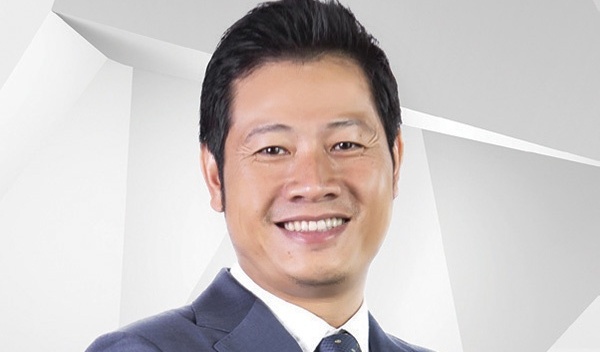
| Dr. Sven David, general director and CEO at VIET Transformation Advisors |
Vietnam is entering a pivotal stage of economic development, guided by clear policies, predictable tax regimes, and targeted measures supporting the private sector. These developments have created an increasingly favourable environment for mergers and acquisitions, presenting opportunities derived from regulatory clarity and the country’s growing appeal as a destination for sophisticated domestic and international investors.
Companies demonstrating operational discipline and robust governance are valued not only for financial performance but also for their capacity to integrate efficiency and strategic foresight into coherent strategies. This combination signals readiness to scale and alignment with national objectives, positioning enterprises to contribute meaningfully to sustainable growth initiatives and support the nation’s long-term vision.
Which sectors do you expect will attract the strongest interest from international investors through M&As?
Education and healthcare particularly benefit from structural reforms and policies facilitating private-sector participation. In education, demand for high-quality institutions, professional training programmes, and lifelong learning aligns with government objectives to strengthen human capital.
Elsewhere, healthcare benefits from investment in technology-driven service delivery, modernised clinical and administrative systems, and integrated care models. And high-tech sectors, including software, digital services, and advanced manufacturing, benefit from regulatory clarity and innovation incentives.
How will the government’s recent policy shifts, particularly those aimed at boosting private sector growth, reshape these industries?
Government policy shifts designed to accelerate private-sector growth have reshaped the operational landscape. Greater clarity in taxation, reciprocal treatment for foreign investors, and streamlined administrative processes reduce uncertainty and enable predictable planning.
Enterprises anticipating these conditions and combining operational resilience with strategic foresight are better positioned to capture opportunities while maintaining alignment with national priorities. This applies particularly to companies considering partnerships or acquisitions, where seamless integration and efficient scaling is crucial.
Enterprises demonstrating agility alongside structured governance remain at the forefront, particularly in technology, healthcare, and education. Anticipating and responding to policy adjustments enhances sustainability of outcomes and signals readiness to sophisticated investors.
To what extent do you think reciprocal tax policies will alter investor sentiment and dealmaking strategies, especially for foreign investors considering indirect investments?
Reciprocal tax policies, by ensuring fair treatment of foreign investors, enhance Vietnam’s attractiveness for M&As. These measures mitigate cross-border complexities and reduce structural impediments. Investors considering indirect investments or minority stakes adjust strategies to leverage these advantages.
Companies maintaining disciplined financial management, strong governance, and strategic clarity negotiate effectively, achieve better valuations, and execute transactions with confidence. The resulting increase in investor confidence stimulates activity and elevates expectations regarding governance, transparency, and execution.
Companies integrating these elements achieve sustainable growth and attract sophisticated investment while reinforcing strategic relevance. Attention to operational detail, risk management, and transparent communication further enhances reliability.
Which sectors are likely to benefit the most from improved regulatory clarity and government support, and how might this translate into a more robust pipeline of transactions?
A robust M&A pipeline is emerging as regulatory clarity and government support create a predictable environment. Companies aligning practices with national priorities, maintaining disciplined management, and demonstrating strategic clarity benefit most.
Enterprises with defined governance structures, transparent reporting, and readiness for integration attract domestic and international interest. Alignment with broader objectives strengthens credibility, while operational resilience and scaling capacity distinguish top enterprises. Preparedness to participate in private sector initiatives and projects with state-owned enterprises signals maturity. Indicators such as cross-functional coordination, proactive risk management, and transparent stakeholder engagement reinforce appeal.
These qualities indicate a company’s ability to integrate across functions and sectors, ensuring continuity, resilience, and alignment with long-term objectives.
From a strategic perspective, what should Vietnamese enterprises do to position themselves as attractive M&A targets as these new policies begin to take effect?
Vietnamese enterprises can position themselves as attractive M&A targets by focusing on operational excellence, strong governance, and strategic clarity. Disciplined management, transparent decision-making, and streamlined processes ensure consistent performance and risk mitigation, while readiness to integrate with partners, through joint ventures, minority stakes, or acquisitions, signals operational maturity.
Vietnam’s evolving M&A landscape, shaped by reciprocal tax policies and private-sector support, rewards enterprises that are prepared, disciplined, and strategically aligned. Operational excellence, governance, and strategic clarity form the foundation for sustainable success. Companies structuring themselves to meet these demands, through rigorous planning, transparent reporting, and readiness for integration, demonstrate qualities investors seek.
Policy clarity, demographic momentum, and structural alignment position Vietnam as a compelling environment for M&A. Investors seek enterprises delivering financial performance and strong governance, demonstrating strategic foresight and operating effectively domestically and internationally. On top of that, enterprises integrating these types of capabilities capture opportunities, attract discerning investors, and also build a sustainable competitive advantage.
What the stars mean:
★ Poor ★ ★ Promising ★★★ Good ★★★★ Very good ★★★★★ Exceptional
 Tag:
Tag:Related Contents




Latest News




More News
- Partnerships streamline pathways for investors in Vietnam (September 08, 2026 | 08:58)
- Vietnam can lead the way in AI regulatory system (September 04, 2026 | 09:00)
- Vietnam's next cycle: capital shifts from low-cost manufacturing to higher-value investment and M&A (August 26, 2026 | 14:51)
- Significant steps made in related-party transactions (August 21, 2026 | 15:51)
- New challenges for workforce data and HR policy management with PIT changes (August 17, 2026 | 10:32)
- Leading in AI: from pilot initiatives to enterprise value (August 10, 2026 | 07:00)
- Programme launched to develop new Vietnamese business leaders (July 28, 2026 | 13:50)
- Vietnam must build talent and innovation to attract quality investment (July 09, 2026 | 08:00)
- AI-ready workforce key to Vietnam's next decade, analysts say (July 01, 2026 | 15:55)
- VIFC shouldn't try to be Dubai, says VinaCapital chief economist (June 24, 2026 | 14:17)










 Mobile Version