

Developing suitable talent for greener financial ambitions

Vietnam is developing sustainable finance and aiming to become a regional financial hub. How serious is the talent gap, and which skills are most needed?
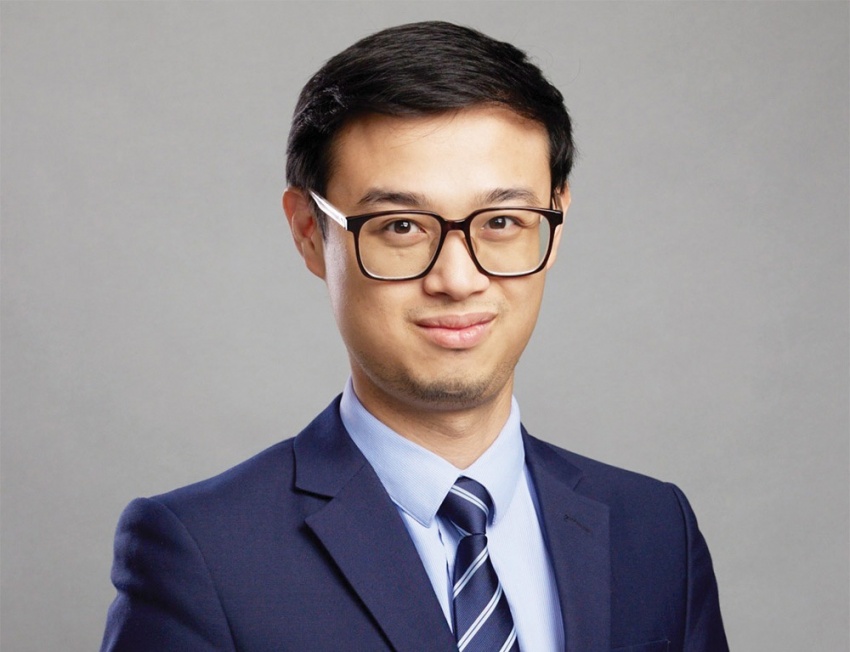 |
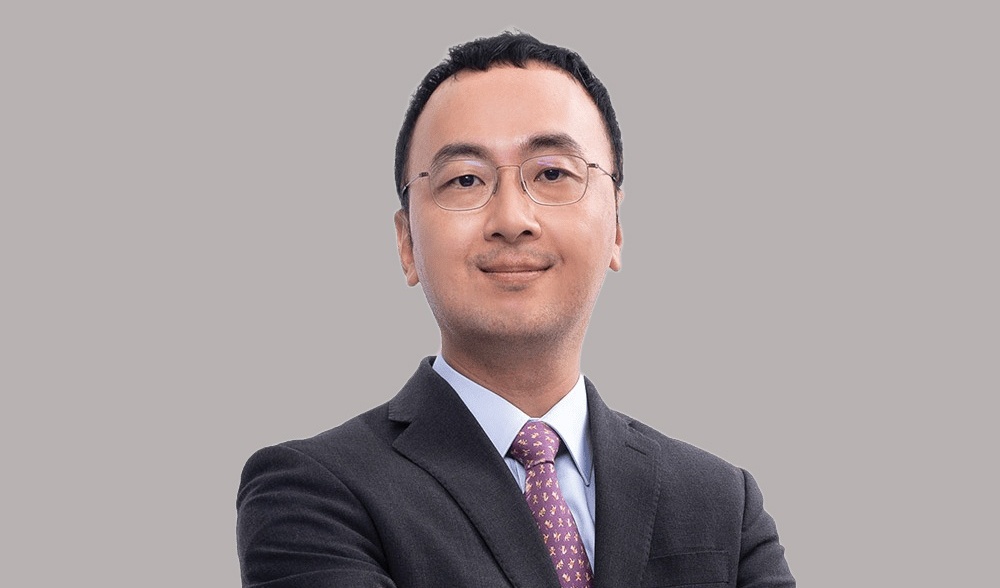
| To Quoc Hung |
While Vietnam has made progress in encouraging such finance, the talent gap remains both significant and structural, with demand growing faster than the supply of internationally qualified professionals. High-quality human capital is essential for any international financial centre (IFC), not only to deliver professional services but also to drive innovation, strengthen competitiveness, and position the country credibly in global markets.
Key gaps are emerging in three areas. Firstly, specialised finance expertise, including knowledge of green financial instruments, environmental, social, and governance (ESG) integration, and climate-related financial analysis. Secondly, capabilities in sustainability reporting and assurance, driven by rollout of the national green taxonomy and the growing demand for green financing. Thirdly, broader competencies aligned with global frameworks, governance, risk management, and transparency.
At the same time, financial services are becoming increasingly technology-driven. This has created additional demand for professionals who can operate at the intersection of finance and technology, including data analytics, risk systems, and fintech, across both industry and regulatory functions.
The International Finance Corporations January 2026 report shows climate transitions are changing jobs and skills globally. How should Vietnamese finance and accounting professionals prepare?
The report reflects what we are already seeing in practice: green finance has become a core component of financial markets, driven by both regulatory direction and investor expectations.
For Vietnam, this transition presents a significant opportunity. The government set clear ambitions, including raising the share of green credit to 10 per cent of total outstanding loans in 2025 and up to 25 per cent by 2030, alongside the development of frameworks for green bonds and environmental risk management.
Finance and accounting professionals need to take a proactive and strategic approach to reskilling in three areas: expertise in green finance, sustainability reporting and assurance, and non-financial performance drivers. Those who adapt early will be best positioned to capture the opportunities created by this transition and contribute meaningfully to Vietnam’s finance growth.
How can organisations like ACCA help develop the talent needed for sustainable finance and IFCs?
Professional organisations play a key role in turning policy ambition into practical capability, especially in fast-evolving areas like sustainable finance. ACCA focuses on where international standards, professional skills, and market practices intersect, the areas that determine whether financial systems operate credibly and competitively at a global level.
Transitioning requires professionals to move beyond traditional roles, developing expertise in international sustainability frameworks, strategy, reporting, and assurance. ACCA’s Professional Diploma in Sustainability helps professionals build these competencies in a structured, practical way, enabling them to design and implement sustainable business and financing models.
Alignment with international standards is essential. Vietnam is advancing its IFRS roadmap and strengthening ESG disclosures to improve transparency and comparability. ACCA supports these transitions, both technically and in implementation, helping organisations enhance the quality of financial and non-financial reporting in line with global expectations.
Maintaining trust and integrity is equally important. As markets evolve, focus on audit quality, governance, and control frameworks, remains critical for investor confidence, particularly as Vietnam reforms its capital markets and strengthens its international standing.
What should Vietnam prioritise to build a strong finance talent pipeline for IFCs?
Building this requires a coordinated approach spanning immediate workforce needs and long-term capability building. Training should include short-term upskilling for professionals already in the industry and longer-term investment through university and postgraduate programmes. Training must be updated continuously and anchored in real market demand to develop the capabilities IFCs will require.
There is also a need to align education with research and policy development and expand interdisciplinary initiatives that integrate finance with emerging areas such as AI and green finance. Strengthening collaboration between academia, businesses, financial institutions, and international partners will be critical to scaling training and broadening access across levels of expertise.
Global competition, such as Singapore, Hong Kong, and Dubai, shows human capital is a long-term strategic advantage that is difficult to replicate. For Vietnam, investing in talent is not only about supporting IFC development, but also about enabling deeper participation in global financial value chains over the coming decades.
The right mix of expertise, professional skills, and integrated thinking will determine whether Vietnam can emerge as a credible hub.
What the stars mean:
★ Poor ★ ★ Promising ★★★ Good ★★★★ Very good ★★★★★ Exceptional
 Tag:
Tag:Related Contents


Latest News




More News
- Significant steps made in related-party transactions (August 21, 2026 | 15:51)
- New challenges for workforce data and HR policy management with PIT changes (August 17, 2026 | 10:32)
- Leading in AI: from pilot initiatives to enterprise value (August 10, 2026 | 07:00)
- Programme launched to develop new Vietnamese business leaders (July 28, 2026 | 13:50)
- Vietnam must build talent and innovation to attract quality investment (July 09, 2026 | 08:00)
- AI-ready workforce key to Vietnam's next decade, analysts say (July 01, 2026 | 15:55)
- VIFC shouldn't try to be Dubai, says VinaCapital chief economist (June 24, 2026 | 14:17)
- Highly skilled workforce and fiscal incentives key to driving high-tech growth (June 17, 2026 | 16:17)
- KPMG and Anthropic to redefine client services with artificial intelligence tie-up (May 25, 2026 | 08:00)
- FDI a crucial component to double-digit growth (May 15, 2026 | 11:38)


Latest News




 Mobile Version