
Revitalising business through strategic and stylish engagement

 |
| Revitalising business through strategic and stylish engagement |
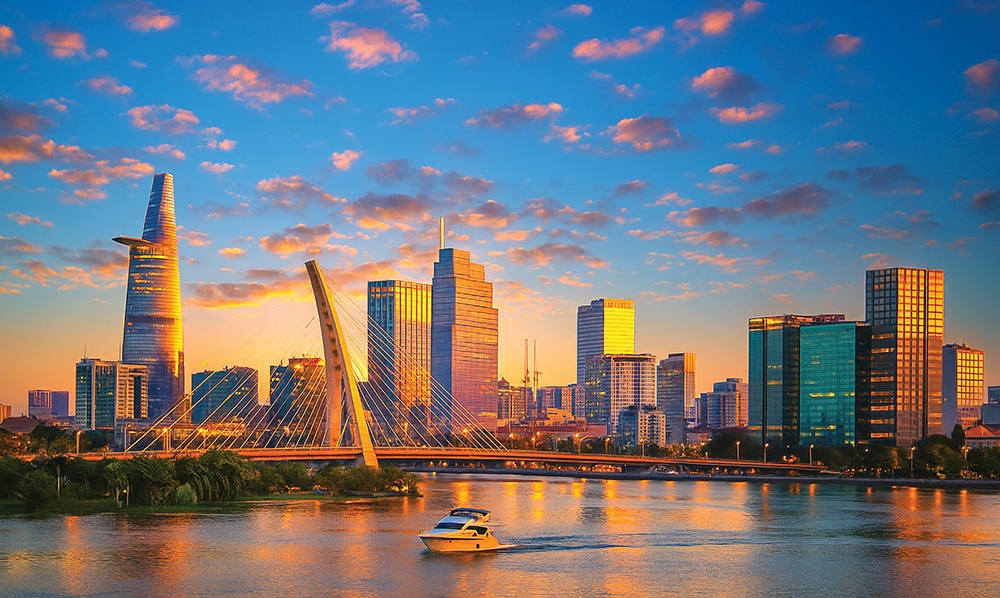
With consistent infrastructure investment, expanding air connectivity, strong public-private partnerships, and a growing portfolio of world-class event facilities, Vietnam is well-positioned to become a regional hub for events industry activity. The opportunity for investors, developers, and enterprises lies in leveraging this momentum, whether through asset development, event hosting, or strategic partnerships within the country’s fast-evolving tourism and hospitality sector.
Vietnam’s transformation into a business events destination has been both deliberate and dynamic. Recognising tourism as a pillar of national economic growth, the Vietnamese government has supported a decade of development marked by robust infrastructure upgrades, urban renewal, and investor-friendly policies. These efforts are part of a wider push to diversify tourism offerings and reduce reliance on leisure segments alone.
The cities of Hanoi, Ho Chi Minh City, and Danang now form a triad of event-ready urban centres, each offering high-capacity convention venues, 5-star accommodations, and a reliable base of support services. At the same time, second-tier destinations such as Nha Trang, Phu Quoc, Hue, and Quy Nhon are evolving into viable alternatives for incentive travel and regional corporate retreats.
These destinations are not simply tourist hotspots; they are becoming investment nodes. With international hotel brands entering the market and local developers upgrading product quality, Vietnam offers a competitive advantage in cost, accessibility, and customer experience, three critical factors influencing global events industry decision-making.
Building the backbone
Vietnam’s ability to support events industry tourism at scale is underpinned by its rapidly maturing infrastructure.
Key international airports in Hanoi, Ho Chi Minh City, and Danang are undergoing expansions to accommodate rising passenger volumes and introduce more direct international routes. The development of Long Thanh International Airport, one of Southeast Asia’s most ambitious airport projects, will further cement southern Vietnam’s role as a major aviation hub.
Venues such as the National Convention Centre in Hanoi, Saigon Exhibition and Convention Centre, and Ariyana Convention Centre in Danang can host thousands of delegates with modern audiovisual infrastructure, flexible floor plans, and exhibition-ready amenities.
Meanwhile, new expressways, metro lines, and improved domestic flight connectivity are enabling multi-destination programmes that seamlessly combine business meetings with leisure and cultural exploration.
These improvements are not just logistical upgrades; they represent a broader policy vision aimed at improving urban competitiveness and supporting diversified economic growth.
From a commercial standpoint, Vietnam offers clear advantages for event organisers and corporate decision-makers seeking cost-effective yet impactful business gatherings the competitive pricing with premium delivery, authentic incentive experiences and culinary and cultural capital.
Firstly, Vietnam remains significantly more affordable than other regional hubs such as Singapore, Hong Kong, or Seoul. This cost advantage enables companies to deliver world-class events without exceeding budgetary constraints. High-end hospitality providers, both international and domestic, offer events industry-specific packages with comprehensive services including event planning, multilingual staff, AV technology, and guest logistics.
Secondly, Vietnam’s geographic and cultural diversity allows businesses to offer incentive trips that go beyond conventional formats. From yacht cruises in Halong Bay to wellness retreats in Phu Quoc or heritage-themed team-building in Hoi An, the country offers bespoke experiences that are immersive, memorable, and aligned with the aspirations of modern corporate travellers.
Furthermore, Vietnam’s world-renowned cuisine and deep cultural heritage are strategic assets in the landscape. Culinary experiences, ranging from chef-led cooking classes to curated street food tours, enhance networking and team bonding in informal, enjoyable settings. Traditional art performances, local craft workshops, and heritage site visits add layers of value to event initiatives.
Beyond the established cities, emerging destinations offer untapped potential in several destinations. On Phu Quoc Island, with its international airport, luxury resorts, and natural beauty, Phu Quoc is becoming a magnet for small to mid-sized executive retreats and exclusive incentive schemes.
In Nha Trang and Cam Ranh, beachside cities combine leisure appeal with high-end infrastructure, making them ideal for regional conferences, incentive travel, and product launches.
Elsewhere, as a rising star on Vietnam’s tourism map, Quy Nhon offers pristine beaches, a supportive provincial government, and investment incentives for sustainable tourism developments. Several integrated resort and convention projects are already in the planning stages.
Investors have an opportunity to shape these markets by entering early and establishing facilities that cater specifically to the segment, a growing demand segment with higher average spend and longer stays compared to leisure travellers.
Trends reshaping the landscape
As this type of tourism evolves, several key trends are influencing both demand and delivery of sustainability. Technology and hybrid events as well as wellness integration considerations are now a critical part of corporate travel decisions. Vietnam’s hospitality sector is responding with eco-certified hotels, zero-waste event packages, and corporate social responsibility activities such as community-based tourism and reforestation projects that can be integrated into incentive programmes.
Digital transformation has expanded the scope of events industry tourism. Hybrid events that combine in-person and virtual participation are now standard practice. Vietnamese venues are investing in high-speed connectivity, multi-language streaming platforms, and advanced event tech to support seamless global engagement.
Work-life balance is a growing priority. Itineraries increasingly incorporate wellness elements such as yoga sessions, spa treatments, mindfulness workshops, and healthy food and beverage offerings. Vietnam’s natural landscapes and wellness tradition make it an ideal setting for holistic corporate experiences.
Vietnam’s trajectory as an events industry destination is not just a tourism story, it’s a strategic business case. For corporate leaders, hosting events in Vietnam is a cost-effective, culturally rich way to engage stakeholders, inspire teams, and build cross-border connections.
For investors, developers, and hotel operators, the segment offers long-term growth potential. Mixed-use developments, urban convention hotels, and destination resorts with event capacity can all benefit from the increasing global demand for well-executed business travel experiences. Government incentives, favourable demographics, and strong GDP growth provide further support for investment.
Vietnam is not merely hosting events, it is redefining business engagement in Asia. With vision, partnership, and timely action, stakeholders can help shape a future where Vietnam stands not just as a destination, but as a leader in the global events industry ecosystem.
What the stars mean:
★ Poor ★ ★ Promising ★★★ Good ★★★★ Very good ★★★★★ Exceptional
 Tag:
Tag:Related Contents

Latest News


More News
- Sheraton Hanoi West GM charts new course for business-cultural tourism (June 24, 2025 | 08:00)
- Wine securing a stronger foothold in Vietnamese market (June 09, 2025 | 10:50)
- Vibrant Vietnamese cuisine fit for global tastes (June 09, 2025 | 10:42)
- Vietnam can be global hot spot in 2025 (January 29, 2025 | 00:38)
- Promoting tourism and hospitality with sustainability (January 28, 2025 | 09:00)
- Vietnam centres on eco-luxury tourism and hospitality (January 28, 2025 | 02:06)
- Growth prospects for Vietnam’s event tourism in 2025 (January 28, 2025 | 01:18)
- Core values drive success at Marriott (January 24, 2025 | 16:00)
- Hoteliers to prioritise eco-luxury (January 04, 2025 | 09:00)
- Vietnam upscale tourism on the rise for 2025 (December 30, 2024 | 12:03)


Latest News



 Mobile Version