
Devaluation to start a chain reaction


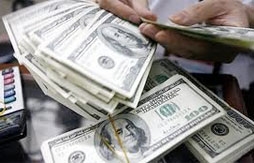 |
| illustration photo |
Tien Phong Plastic JSC (NTP), which imports up to 70 per cent input for its products, said the devaluation had not greatly affected its business.
Tran Van Phuc, chairman of NTP, said his company actually had to purchase US dollars at the price higher than the official rate for recent months.
In fact, local enterprises which import goods were in the same situation as NTP, as they had to buy US dollars at around VND21,000 for a long time before the central bank officially raised the exchange rate.
Meanwhile, the devaluation is benefiting export enterprises. Minh Phu Seafood JSC (MPC) said it was gaining from its inventories and accounts receivable which would be paid in US dollars.
Phu added that the exchange rate rise could help his company be more competitive to foreign partners, which encourage the exporter extend its production.
Regard to the impacts on the foreign investment in Vietnam, Kinh Bac City Development Corporation chairman Dang Thanh Tam was positive.
Tam said foreigners had held back their cash on expectations of the devaluation. But when dong had been officially lowered now, it would be the right time for them to disburse.
On the other hand, central bank’s move to devalue the local currency triggered potential price rises of many basic commodities, among them, petroleum products, fertilisers and steel prices.
The exchange rate hike is particularly weighing on the local petroleum enterprises, who had already suffered losses of some VND2,300 per petrol litre.
Meanwhile, the market is also eyeing the government’s move to adjust power prices, of which the possibility that power prices will rise by 18 per cent since the beginning of this March is most likely to happen.
The central bank’s devaluation is also believed as paving the way for a next rise in interest rates.
The low ceiling deposit rate set by the State Bank is significantly restraining small commercial banks from mobilising capital. Those small banks meanwhile can hardly compete with state-owned banks, which have great capital ability thanks to the cheap deposits of state-owned enterprises.
What the stars mean:
★ Poor ★ ★ Promising ★★★ Good ★★★★ Very good ★★★★★ Exceptional
Latest News


More News
- Hermes joins Long Thanh cargo terminal development (February 04, 2026 | 15:59)
- SCG enhances production and distribution in Vietnam (February 04, 2026 | 08:00)
- UNIVACCO strengthens Asia expansion with Vietnam facility (February 03, 2026 | 08:00)
- Cai Mep Ha Port project wins approval with $1.95bn investment (February 02, 2026 | 16:17)
- Repositioning Vietnam in Asia’s manufacturing race (February 02, 2026 | 16:00)
- Manufacturing growth remains solid in early 2026 (February 02, 2026 | 15:28)
- Navigating venture capital trends across the continent (February 02, 2026 | 14:00)
- Motivations to achieve high growth (February 02, 2026 | 11:00)
- Capacity and regulations among British areas of expertise in IFCs (February 02, 2026 | 09:09)
- Transition underway in German investment across Vietnam (February 02, 2026 | 08:00)









 Mobile Version