
PwC 2025 Family Business Survey: navigating a new era of agility and purpose

 |
The survey explores how family businesses are adapting to economic uncertainty, technological disruption, and evolving stakeholder expectations.
The findings reveal that only 25 per cent of family businesses globally achieved double-digit growth in the past year, down from 43 per cent in 2023. However, those that embrace agility and purpose-driven strategies are outperforming their peers. In Vietnam, family businesses continue to play a critical role in the economy, but face mounting pressure to balance tradition with transformation.
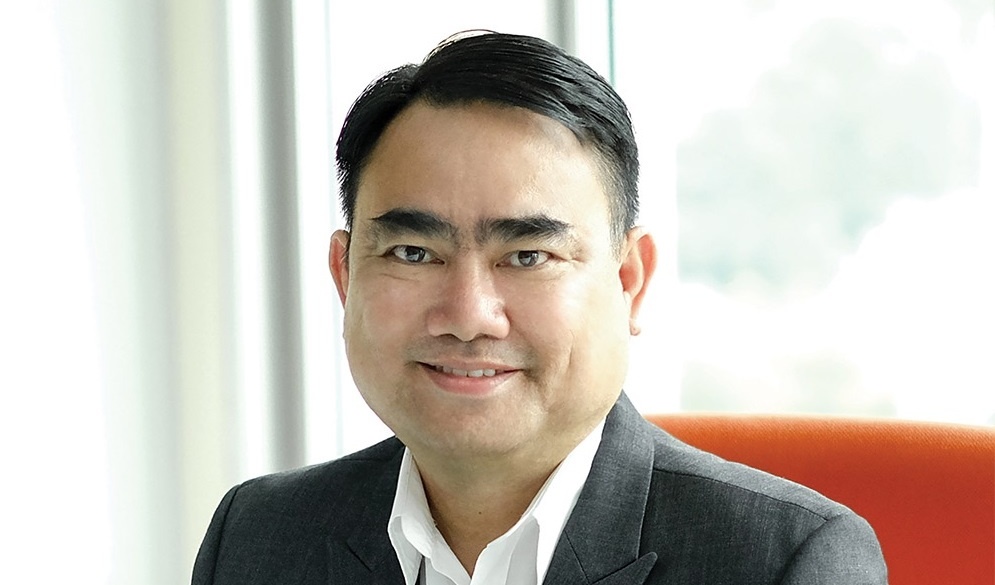
“Vietnamese family businesses stand at a defining moment. In a global environment marked by economic turbulence and rapid technological disruption, resilience alone is not enough. To seize this opportunity, family businesses must move beyond traditional models and embrace bold, future-ready strategies. Embracing digital transformation, sustainability, and a clear sense of purpose will be key to unlocking growth and safeguarding legacy for future generations," Mai Viet Hung Tran, general director of PwC Vietnam, shared.
Setting a clear example for transformation
Vietnamese family businesses are signalling a strong appetite for growth. Three out of four reported sales growth in the last financial year, compared to 57 per cent globally, and 41 per cent achieved double-digit growth, far ahead of the global average of 25 per cent. Looking ahead, 31 per cent of Vietnamese leaders are targeting “quick and aggressive” growth over the next two years, nearly double the global figure of 16 per cent.
However, this ambition is tempered by caution. While 69 per cent prioritise digital transformation, most efforts focus on optimising existing operations rather than radical reinvention. Technology is seen as both an engine and a brake: leaders identify AI as the greatest opportunity but also a major execution risk. This paradox underscores the need for bold, future-ready strategies to sustain momentum.
Scaling purpose: from a private value statement to a public strategic tool
Vietnamese family businesses have a strong foundation of purpose. 84 per cent have a clear company purpose compared to 64 per cent globally, and 91 per cent have codified family values and expectations for family members, yet only 22 per cent communicate purpose externally and 22 per cent link purpose to customer orientation (globally 45 per cent and 54 per cent).
This gap turns purpose into a “silent asset”. To unlock its full potential, businesses must activate purpose externally: embedding it in marketing and environmental, social, and governance (ESG) initiatives and connect it internally to commercial decisions and talent strategies. Doing so transforms purpose from a statement into a strategic differentiator that drives trust and growth.
Agility: closing the governance gap to unlock true flexibility
Vietnamese family businesses recognise the importance of agility, with 72 per cent of leaders believing their business is agile. However, structural weaknesses undermine this confidence. Governance remains highly informal: 47 per cent of boards consist solely of family members (globally 33 per cent), and only 6 per cent have a family constitution, compared to 26 per cent globally.
Furthermore, 22 per cent have a formal shareholders’ agreement (globally 48 per cent). This lack of diverse voices and external expertise limits strategic foresight and slows decision-making. To achieve true agility, businesses must formalise governance frameworks and professionalise leadership by appointing independent directors with industry experience. These steps will inject fresh perspectives, enable proactive responses to disruption, and transform agility from perception into reality.
Turning patient capital into a strategic value creation
Family businesses in Vietnam possess a unique advantage: patient capital, but often deploy it conservatively. While leaders prioritise long-term resilience (91 per cent) and innovation (72 per cent), investment strategies remain short-term and risk-averse, focused on incremental improvements rather than bold bets on technology and sustainability. This cautious approach threatens growth ambitions, especially as global competitors leverage capital for transformative change. To reclaim a strategic advantage, Vietnamese family businesses must move from capital preservation to value creation, channelling resources into high-impact areas such as digital transformation, ESG initiatives, and emerging technologies. Formalising investment philosophies and leveraging family offices as innovation engines can turn patient capital into a powerful differentiator in a volatile market.
Protecting and activating reputation: from defensive asset to growth catalyst
In Vietnam, reputation is not prioritised as highly as globally: 62 per cent see it as “very important” compared to 78 per cent worldwide. This cautious stance is compounded by operational anxieties: ethical concerns in supply chains are cited at more than double the global rate, revealing a vulnerability that can be turned into opportunity.
To move reputation from a defensive asset to a growth catalyst, businesses must invest in transparency, sustainability, and proactive communication. Elevating ESG commitments and showcasing ethical practices can transform perceived risks into trust advantages. In a market where talent and customers increasingly value integrity, actively managing reputation is no longer optional, it is a strategic imperative for long-term resilience and brand leadership.
Aligning generations for a new era
Vietnamese family businesses demonstrate a strong commitment to continuity and family values, far exceeding global benchmarks. 94 per cent prioritise protecting the business as an asset (globally 78 per cent), and 81 per cent aim to preserve family legacy (globally 77 per cent), reflecting a deep-rooted commitment to safeguarding heritage. Additionally, 59 per cent favour family employment, more than double the global average of 27 per cent, underscoring a cultural preference for keeping leadership and operational roles within the family.
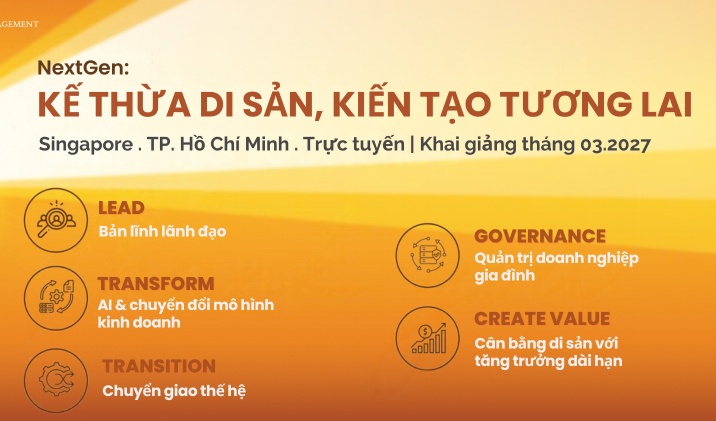
While these priorities strengthen identity and trust, they also create structural challenges. Generational misalignment is a significant barrier: 38 per cent of Vietnamese family businesses cite differences in priorities between generations as a major obstacle to progress, compared to just 15 per cent globally. This disconnect is compounded by governance gaps: only 6 per cent have a family constitution (globally 26 per cent), and 81 per cent experience family conflict, with most disputes resolved informally. Such informal approaches leave businesses vulnerable during leadership transitions and hinder strategic agility.
To bridge this divide, businesses must formalise governance through constitutions and shareholder agreements, and create structured pathways for Next Gen leadership. Treating generational alignment as a strategic priority, not a given, will turn potential friction into a source of competitive strength.
Luong Thi Anh Tuyet, private leader of PwC Vietnam, shared, “In today’s pivotal moment, the long-term resilience of family enterprises depends on a strategic imperative: integrating their strengths of purpose, patient capital, and reputation with a modern focus on agility and governance. By mastering this combination, they will not only safeguard their legacy but also expand their influence in the Vietnamese economy and beyond.”
 | Vietnam tax and legal changes set to shape foreign investment landscape Nguyen Huong Giang, partner of Tax and Legal Services at PwC Vietnam, notes that upcoming tax reforms are expected to reshape the business environment and influence the attractiveness of Vietnam for foreign investors. |
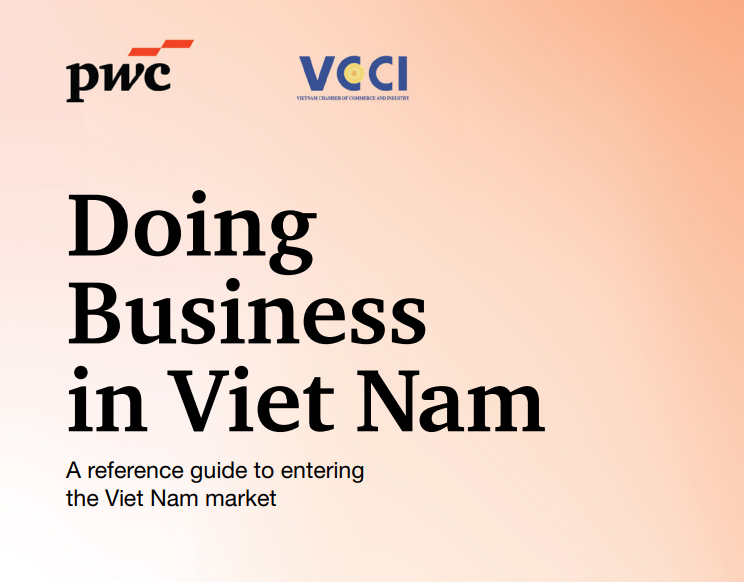 | VCCI and PwC Vietnam launch 'Doing Business in Vietnam' to empower investors In celebration of Vietnam Entrepreneurs' Day on October 13, the Vietnam Chamber of Commerce and Industry (VCCI) and PwC Vietnam have launched the 13th edition of “Doing Business in Vietnam”, a strategic guide for investors and entrepreneurs navigating Vietnam's evolving economic landscape. |
 | Vietnam 2025 M&A outlook: trends, deals, and opportunities Over the past decade, Vietnam’s mergers and acquisitions (M&A) market has stood out as a significant force in Southeast Asia, fuelled by the nation’s strong economic growth, favourable demographics, and deeper integration into global supply chains. |
What the stars mean:
★ Poor ★ ★ Promising ★★★ Good ★★★★ Very good ★★★★★ Exceptional
 Tag:
Tag:Related Contents


Latest News

More News
- Family businesses face succession hurdles (June 30, 2026 | 17:05)
- Global shocks and tightening cash for Vietnamese business (June 22, 2026 | 06:00)
- Data and governance key hurdles to AI scaling for Vietnamese firms (June 17, 2026 | 16:55)
- Vietnam second fastest growing automotive market in ASEAN‑6 (April 20, 2026 | 20:34)
- Vietnam’s green push requires further hurdles to clear (March 30, 2026 | 08:00)
- The use of artificial intelligence to advance ESG goals for businesses (March 06, 2026 | 11:50)
- Vietnam a strategic growth engine for Asia-Pacific: CEO survey (March 05, 2026 | 17:12)
- PwC launches global workforce survey (February 09, 2026 | 17:42)
- Delivering urban railways and transit-oriented development (January 26, 2026 | 10:25)
- Expectations increased with EU’s tightened due diligence (January 20, 2026 | 09:00)








 Mobile Version