
Making time for mentoring: contributes to organisational success


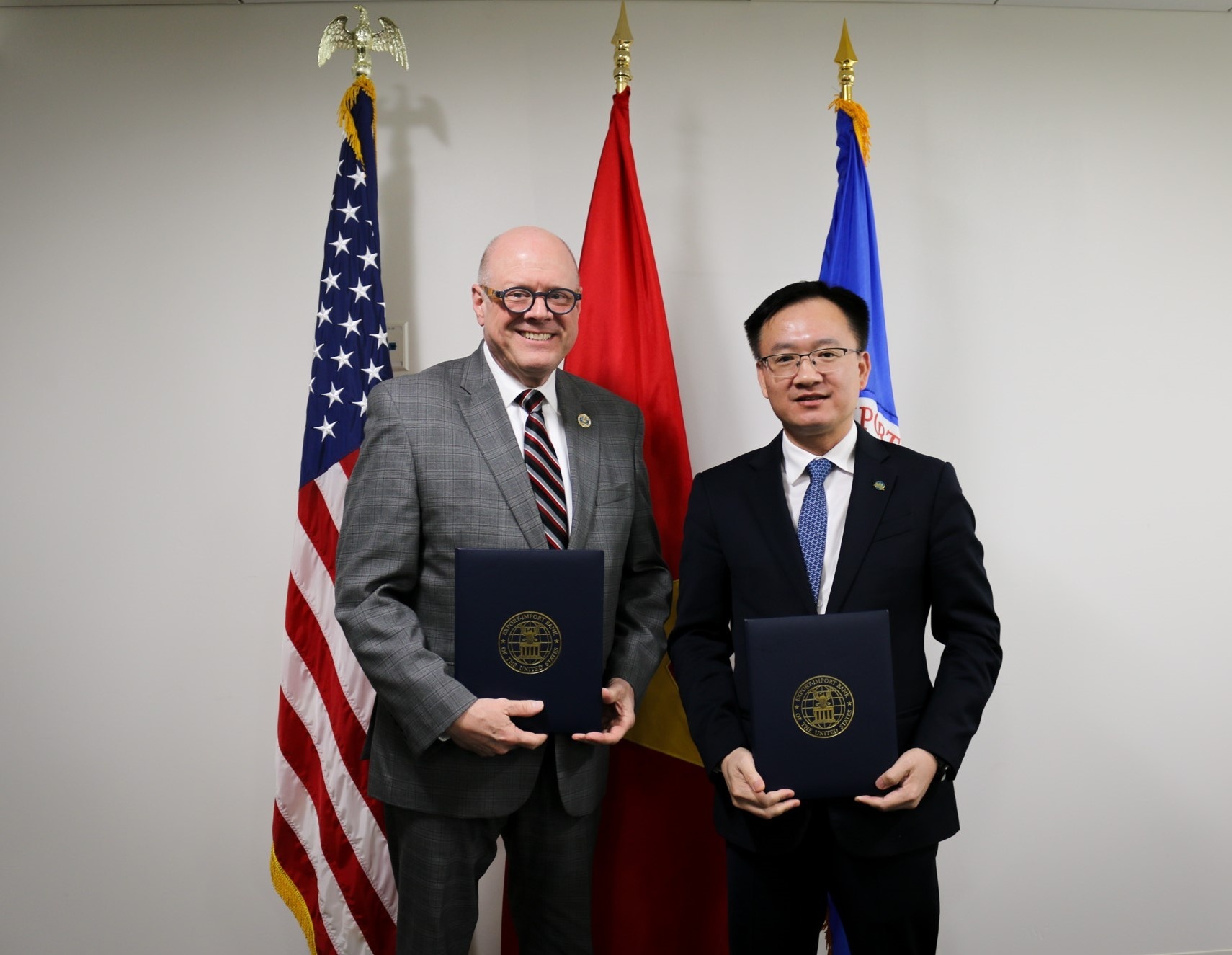
illustration photo
But mentoring becomes a productivity accelerator only when taken seriously. Effective mentoring can reap rewards, drive performance and challenge mentees to grow into their roles in profitable ways.
Asking challenging and even provocative questions, sprinkled with advice, encourages personal initiative. This leads to increased engagement and empowerment - which leads, in turn, to greater productivity.
So instead of telling the mentee precisely how to do something, the mentor asks, “How do you think you should handle this?” The results may be surprising, and are often worth exploring - not just because they stretch the mentee’s capabilities and encourage independent thought - but also because they encourage personal accountability. Even when a mentee fails to rise to the challenge, the results are productive, since they can illustrate shortcomings in the mentee’s training and abilities. Constructive mentoring is one way an employee learns what they need to improve upon, and how he or she should go about doing so.
Good mentoring also builds connections between organisational levels, helping the mentees grow into their roles and providing opportunities for further growth while humanising the mentors. This contributes to an esprit de corps that improves morale, and at least indirectly, productivity. Part of this strategy involves the mentor exploring the mentee’s frustrations and worries, so that they can suggest ideas to overcome them without fixing them directly.
Ultimately, productive mentoring involves more than just showing a newbie the ropes. To be truly productive, it requires mentors to help mentees become comfortable within the organisation, by forging connections that secure their place within the organisational structure, while simultaneously making them uncomfortable by challenging them to develop their own approaches to specific situations and problems. Both aspects are necessary to encourage mentees to grow in order to achieve their maximum potential.
Source: navigossearch.com ; Inc.com ; Linkedin.com ; forbes.com; Tlnt.com
What the stars mean:
★ Poor ★ ★ Promising ★★★ Good ★★★★ Very good ★★★★★ Exceptional
Latest News






More News
- Tips that help you hire with minor recruitment experience (November 03, 2014 | 10:45)
- Where do you stand on the leadership spectrum? (October 27, 2014 | 10:07)
- Motivate your team through good rewards (October 20, 2014 | 08:37)
- Two crucial factors in retaining talent (October 06, 2014 | 08:59)
- Make your employer brand stand out (September 29, 2014 | 08:59)
- Are your employees experiencing burnout? (September 22, 2014 | 09:13)
- Every customer wants these 5 gifts (July 28, 2014 | 08:12)
- Things that make you unproductive at work (July 21, 2014 | 13:00)
- The ABCs of managing stress at work (July 15, 2014 | 08:35)
- Dealing with change in the workplace (July 08, 2014 | 09:46)


Latest News






 Mobile Version