
SpaceGut Tackles Obesity with Microbiome Science

KUALA LUMPUR, Malaysia, July 17, 2025 /PRNewswire/ -- In celebration of World Microbiome Day, SpaceGut, a Malaysia-based health tech company, introduces a scientific and personalised approach to one of the country's most pressing health concerns, obesity. Through its Gut Microbiome Test Kit and AI-powered personalised meal plan, SpaceGut aims to address the root microbial imbalances that contribute to excessive weight gain and metabolic disorders.
 |
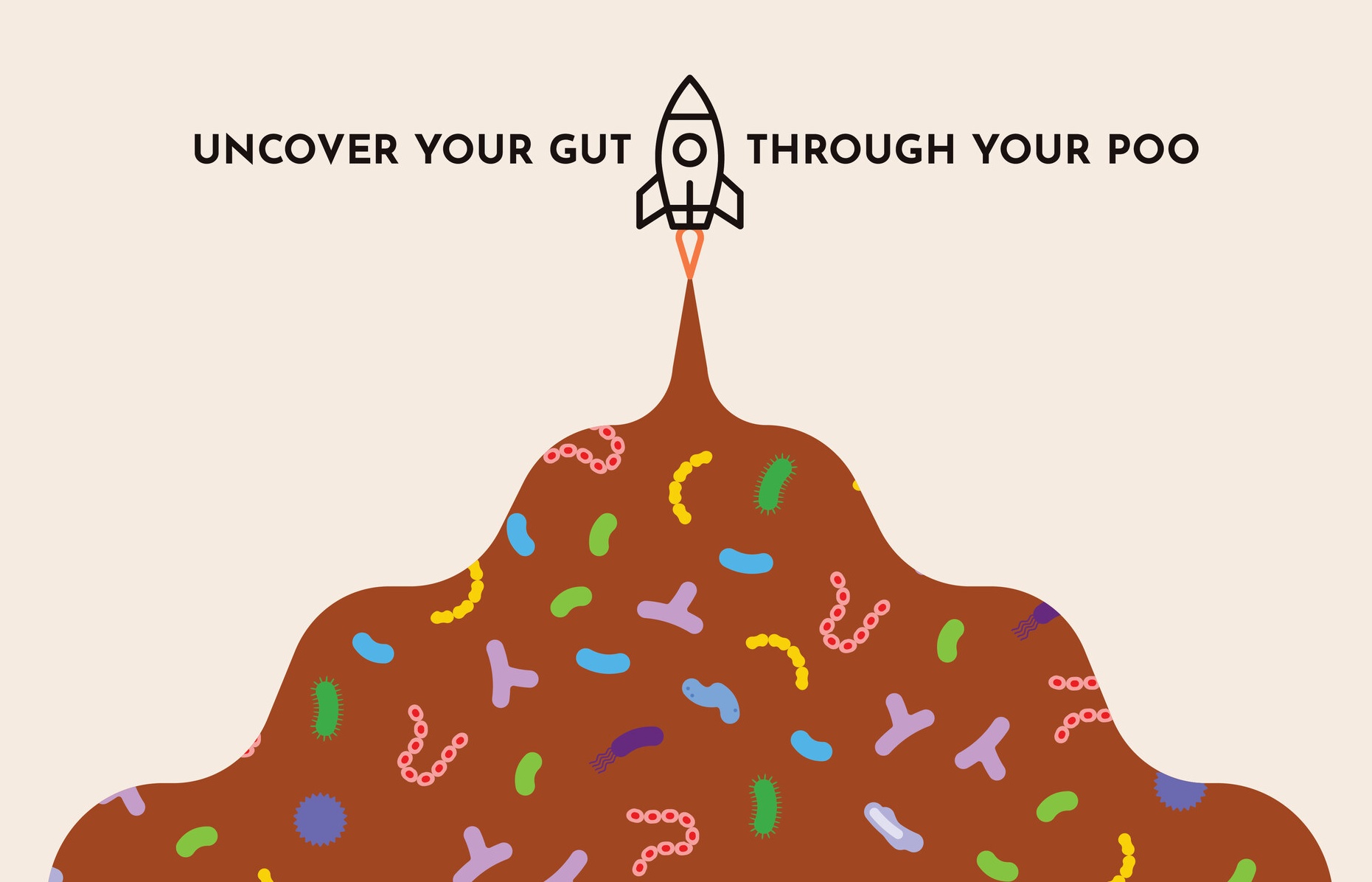
| World Microbiome Day 2025 - SpaceGut |
Obesity in Malaysia has become an increasingly serious public health concern. According to the National Health and Morbidity Survey (NHMS) 2023, the proportion of overweight and obese individuals has surged from 44.5% in 2011 to 54.4% in 2023. Classified by the World Health Organization as having a Body Mass Index (BMI) of 30 or above, obesity is a complex metabolic condition influenced by both genetic and environmental factors.
Emerging research highlights a significant connection between obesity and imbalances in the gut microbiota, with people living with obesity often exhibiting lower bacterial diversity, higher concentrations of energy-harvesting microbes, and persistent low-grade inflammation.
The SpaceGut Approach: Targeting Obesity at the Microbial Level
SpaceGut combines cutting-edge science with practical application, starting with a comprehensive at-home stool test that profiles the user's gut microbiome in detail. This test identifies thousands of microbial species that influence key metabolic processes such as calorie extraction, insulin sensitivity, and inflammatory responses.
The results are then processed through SpaceGut's next-generation sequencing AI technology to map the gut microbiota and use a proprietary bioinformatics database of over 50,000 samples. Based on this analysis, users receive a fully customised nutrition plan that scores over 300 foods and beverages across more than 10 categories, including fruits, vegetables, legumes, meats, seafood, and carbohydrates. Each score reflects how a specific food interacts with the user's unique microbial ecosystem, either by promoting beneficial bacteria or suppressing harmful strains.
According to SpaceGut's user data, individuals classified as overweight experienced an average weight loss of 7.2 kg within just six weeks of following the AI-personalised dietary plan based on the patient's microbiome test results. By aligning nutritional recommendations with each person's gut bacteria composition, the program significantly improved hunger regulation and reduced cravings. These outcomes are likely linked to enhanced gut-brain signalling and a more balanced production of key appetite-related hormones such as leptin and ghrelin.
"People with obesity often carry microbial patterns that work against their health goals. By helping them understand their microbiome and equipping them with practical, personalised food strategies, we enable sustainable weight management starting from within," remarked Datuk Tony Wong, Founder of SpaceGut.
To learn more about SpaceGut's gut microbiome test and personalised nutrition programme, visit www.spacegut.com.
To learn more, visit www.spacegut.com
What the stars mean:
★ Poor ★ ★ Promising ★★★ Good ★★★★ Very good ★★★★★ Exceptional
 Tag:
Tag:Related Contents













 Mobile Version